
Beautiful Plants For Your Interior
Beautiful Plants For Your Interior
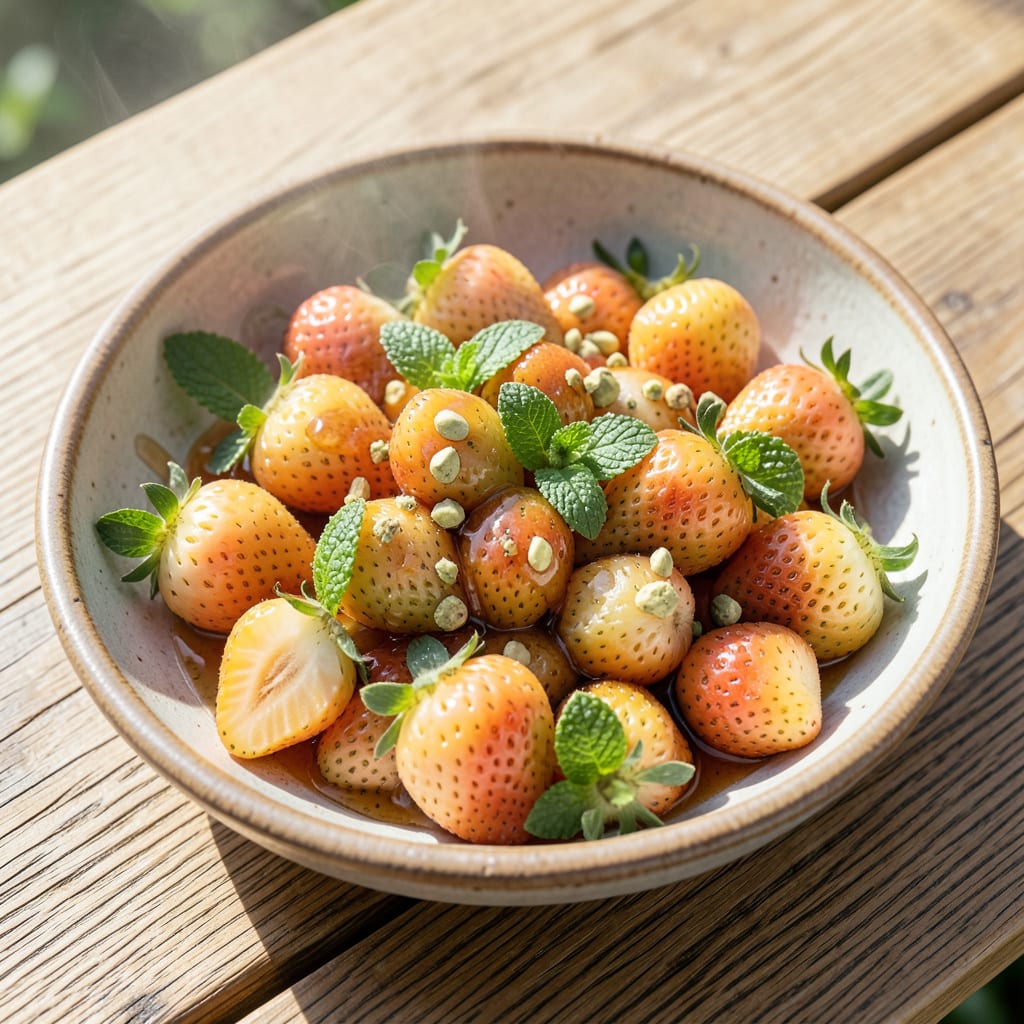
These tiny golden fruits changed how I garden in shady spots. Yellow Wonder Alpine strawberries thrive where most berries won’t, producing sweet, pineapple-flavored berries from early summer through frost.
You’ll get hundreds of berries per plant with minimal effort. They spread gently, tolerate partial shade, and require almost no maintenance beyond occasional watering. Perfect for borders, containers, or tucked between other plants.
📚 In This Guide
This shade-tolerant variety thrives with minimal fuss, producing sweet berries even in partial sunlight.
Select a spot with partial shade to full shade, as this cultivar tolerates lower light better than most strawberries. Morning sun with afternoon shade works particularly well. Avoid deep shade under dense trees where airflow is poor—this invites fungal issues.
Soil should be well-draining and rich in organic matter. I test drainage by digging a 1-foot deep hole, filling it with water, and checking if it empties within 2-3 hours. If it doesn’t, amend with compost or plant in raised beds.
Work the soil to a depth of 8-10 inches, removing rocks and breaking up clumps. Mix in 2-3 inches of aged compost or well-rotted manure. Alpine strawberries prefer slightly acidic soil (pH 5.5-6.5), so if your soil tests alkaline, amend with peat moss or sulfur.
Space plants 8-12 inches apart to allow for runners to spread. If planting in containers, use a pot at least 6 inches deep with drainage holes. Fill with a mix of 50% potting soil and 50% compost for best results.
Dig a hole just large enough to accommodate the root ball. Place the plant so the crown—the point where roots meet foliage—sits just above the soil line. Burying the crown too deep suffocates the plant, while leaving it exposed dries out the roots.
Backfill the hole and press the soil gently around the base to eliminate air pockets. Water thoroughly until the soil is moist but not waterlogged. I use a watering can with a rose attachment to avoid disturbing the soil or damaging tender new growth.
Keep the soil consistently moist but not soggy, especially during the first 2-3 weeks after planting. Once established, Yellow Wonder alpine strawberries are moderately drought-tolerant, but consistent moisture improves berry production.
Apply a 1-inch layer of mulch, such as straw or shredded bark, to retain moisture and suppress weeds. Avoid mulching directly against the crown. Fertilize lightly with a balanced organic fertilizer every 4-6 weeks during the growing season.
Berries typically ripen 8-10 weeks after planting, depending on conditions. Harvest when the fruit is fully yellow and slightly soft to the touch. Unlike commercial strawberries, these won’t ripen further after picking, so wait until they’re ready.
Use scissors or pinch the berry gently at the stem to avoid damaging the plant. Regular harvesting encourages more fruit production. Expect a modest but steady yield throughout the growing season, with the sweetest flavor developing in cooler weather.
Small adjustments make a big difference when growing this shade-loving variety.
Light Conditions: While this cultivar tolerates full shade, morning sun with afternoon shade produces the sweetest berries. Avoid deep shade under dense trees where poor airflow can lead to fungal problems. I’ve found east-facing locations ideal for balanced light exposure.
Soil Preparation: The drainage test in Step 1 is critical—dig a 1-foot deep hole, fill with water, and verify it empties within 2-3 hours. If it doesn’t, raised beds with a 50% potting soil and 50% compost mix work perfectly. Alpine strawberries thrive in slightly acidic soil (pH 5.5-6.5), so test and amend with peat moss if needed.
Planting Depth: In Step 3, the crown placement is everything. Position it just above the soil line—burying it suffocates the plant, while leaving it exposed dries the roots. Press soil gently around the base to eliminate air pockets, which can hinder root establishment.
Care Routine: The first 2-3 weeks after planting demand consistent moisture. Use a watering can with a rose attachment to avoid disturbing the soil. Once established, a 1-inch mulch layer helps retain moisture, but keep it away from the crown to prevent rot.
Sow seeds indoors 6-8 weeks before the last frost. Lightly press them into moist seed-starting mix (they need light to germinate) and keep at 60-70°F. Transplant seedlings outdoors after frost risk passes, spacing them 8-12 inches apart.
These ever-bearing strawberries typically fruit in their first year, with harvests from late spring to fall. Expect smaller yields initially, but plants establish fully by the second year for consistent crops.
Absolutely! Use a well-draining pot at least 6-8 inches deep. Fill with potting mix, ensure full sun to partial shade, and water regularly. Containers are great for patios or balconies with limited space.
Yellow leaves often signal overwatering, poor drainage, or nutrient deficiencies (like nitrogen). Check soil moisture—let the top inch dry between waterings—and fertilize lightly with a balanced organic fertilizer if needed.
Try ‘Mignonette’ or ‘Alexandria’ alpine strawberries—they also thrive in partial shade and offer similar sweet, small berries. Both are low-maintenance and perfect for edge plantings or ground cover.
