
Beautiful Plants For Your Interior
Beautiful Plants For Your Interior
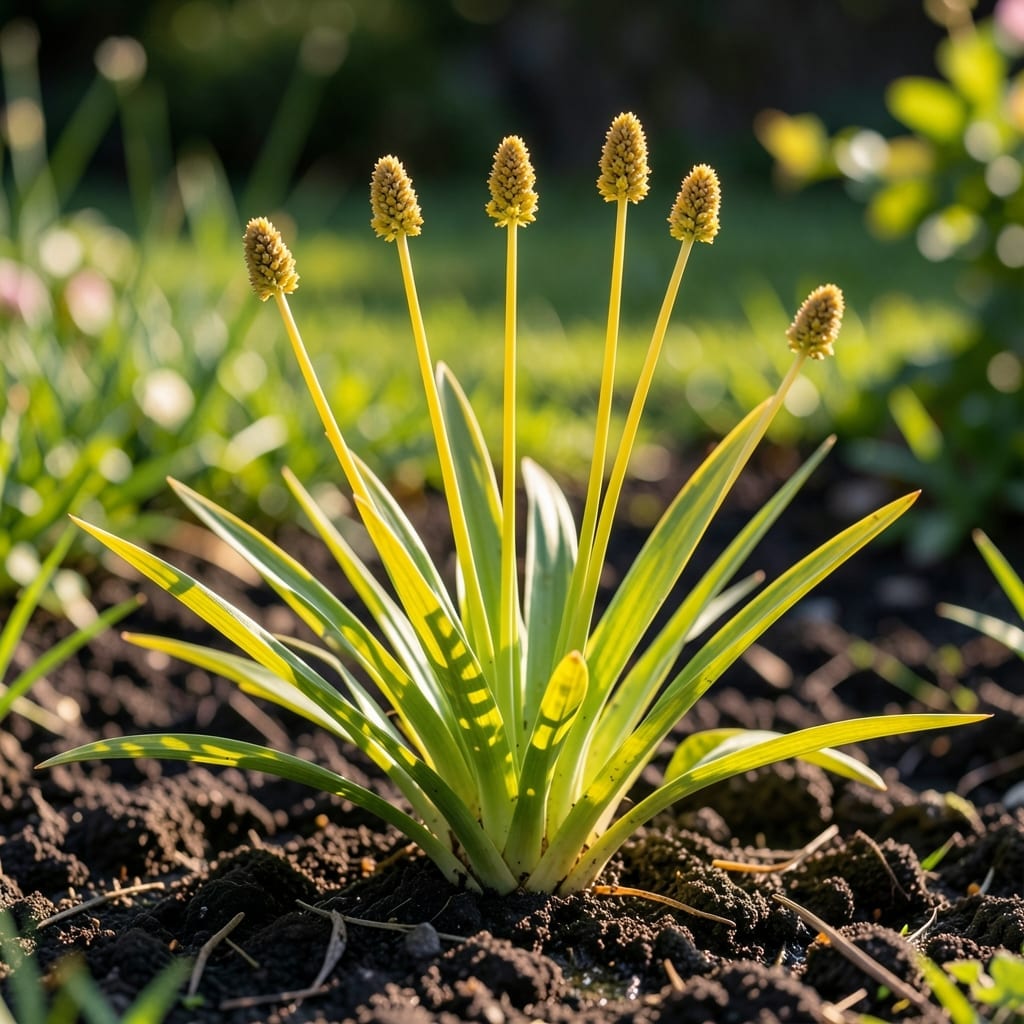
Yellow top weeds invaded my garden last summer, and I almost mistook them for wildflowers. Their bright blooms look innocent, but they choke out vegetables and steal nutrients from the soil.
I learned to spot them early by their tall stems and clusters of small yellow flowers. The key is catching them before they seed—each plant can produce thousands of seeds that spread quickly.
Natural control works best with consistent effort. Hand-pulling, smothering with mulch, and competitive planting have kept my beds clear without harsh chemicals.
Prevention is simpler than you think: healthy soil and dense plantings leave no room for these invaders to take hold.
Understanding why yellow top weeds thrive in your garden starts with recognizing the conditions that favor their growth. These invasive plants often appear due to a combination of environmental and soil-related factors. Below are the primary causes, explained in clear, actionable terms.
Yellow top weeds, like many opportunistic plants, flourish in disturbed or nutrient-deficient soil. Compacted soil with low organic matter restricts the growth of desirable plants, leaving bare patches where weeds can take root. A soil test can reveal imbalances in pH or missing nutrients (e.g., nitrogen or phosphorus), which these weeds exploit.
Excess moisture creates the perfect breeding ground for yellow top weeds. Overwatered lawns or gardens with poor drainage encourage their spread, as they thrive in soggy conditions. Ensure your irrigation system allows for proper water runoff, and avoid waterlogging soil.
These weeds are sun-loving and quickly colonize areas with full sun exposure and minimal competition. Thin lawns, bare soil patches, or newly tilled garden beds are prime targets. Mulching or planting ground covers can block sunlight and suppress their growth.
Neglecting regular garden maintenance—such as mowing, weeding, or aerating—gives yellow top weeds room to establish. A consistent pre-emergent herbicide application in early spring can prevent seeds from germinating, while hand-pulling young plants stops them before they spread.
Tackling yellow top weeds doesn’t have to be a losing battle. Below are practical, step-by-step solutions tailored to common causes, along with prevention tips to keep your garden thriving. 🌱
Weeds thrive in weak or compacted soil. Fix it by adding organic matter like compost or well-rotted manure to boost nutrient levels. Aerate the soil with a garden fork to improve drainage and root growth. Prevention tip: Test your soil annually and amend it as needed to maintain balance. 💡
For small infestations, pull weeds by hand or use a hoe to cut them at the base before they seed. Best time to act: Early morning or after rain when the soil is soft. Prevention tip: Mulch bare spots with straw or wood chips to block sunlight and suppress new growth. ✨
Excess moisture creates the perfect breeding ground for weeds. Solution: Water deeply but less frequently to encourage deep root growth in desired plants. Use drip irrigation to target water directly at plant bases. Prevention tip: Install a rain gauge to avoid overwatering during wet seasons. 🌡️
Neglected gardens invite weeds. Take action: Set a weekly weeding schedule and stick to it. Use a pre-emergent herbicide (natural options like corn gluten meal work too) in early spring to stop weeds before they sprout. Prevention tip: Rotate crops and practice companion planting to disrupt weed cycles. 🎯
Consistency is key—combine these methods for a weed-free garden that stays vibrant all season long!
Look for tall stems with clusters of small yellow flowers and narrow leaves. They often grow in dense patches, especially in sunny, disturbed areas. The plants can reach 1-3 feet tall if left unchecked.
Each plant produces thousands of seeds that can lie dormant for years. Disturbing the soil or overwatering can trigger new growth. Consistent removal before seeding is key to breaking the cycle.
Yes, household vinegar with 5% acetic acid can work as a natural herbicide. Spray directly on leaves on a sunny day for best results. Be careful—it will kill other plants it touches too.