
Beautiful Plants For Your Interior
Beautiful Plants For Your Interior
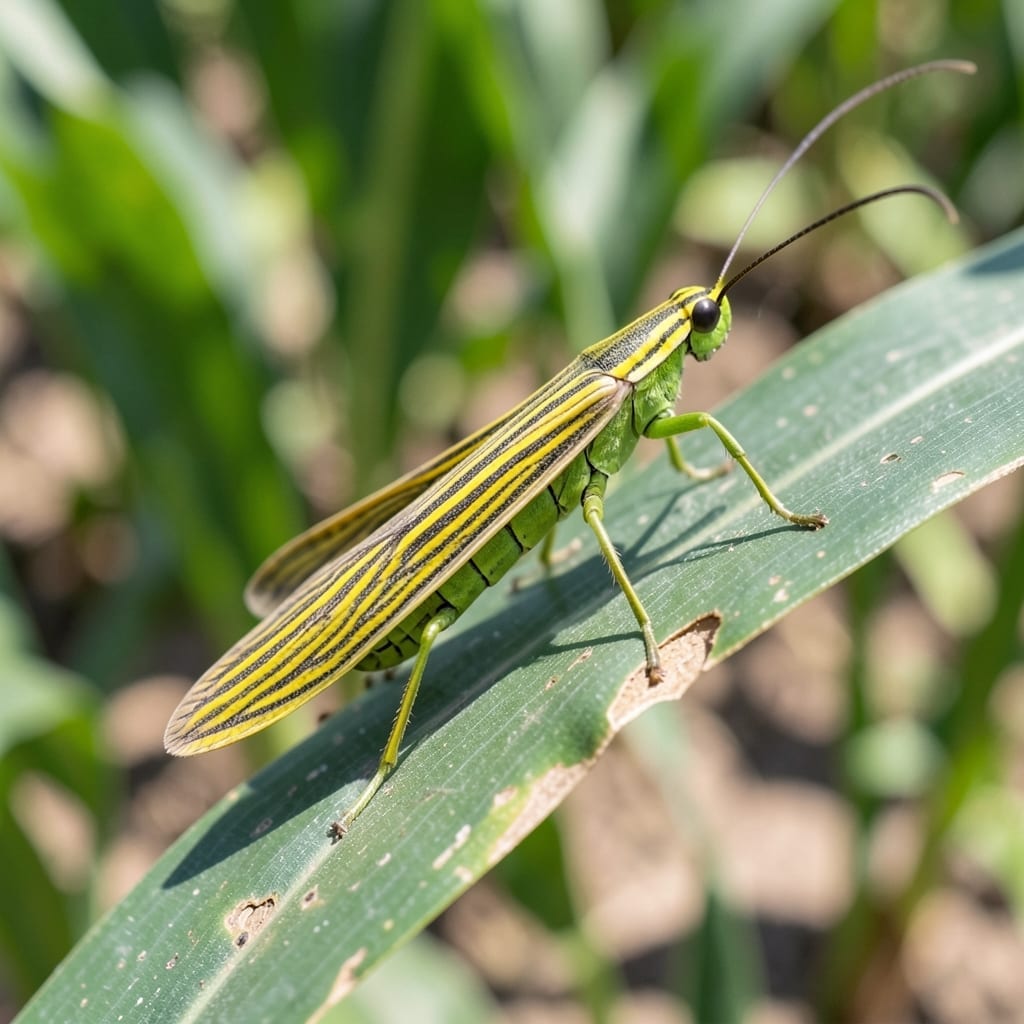
That sinking feeling when you spot chewed leaves in your garden is all too familiar. The culprit might be the Yellow Striped Armyworm Moth 🦋, a silent invader that can wreak havoc overnight.
I’ve seen firsthand how quickly these pests can turn healthy plants into a buffet. Their damage isn’t just unsightly—it can devastate your hard work in days.
Let me guide you through spotting the signs early and taking action before it’s too late. Protecting your garden starts with knowing your enemy.
Spotting the yellow striped armyworm moth early can save your garden. Adults have yellow-orange wings with dark stripes, while larvae are green with yellow stripes along their sides.
These pests are most active at dusk and dawn. I often find them fluttering near corn, grasses, or vegetable plants, their favorite targets.
| Feature | Description |
|---|---|
| Adult Moth | Yellow wings with dark stripes |
| Larvae | Green caterpillars with yellow stripes |
| Plant Damage | Irregular holes in leaves, defoliation |
| Active Time | Dusk and dawn |
The larvae are the real troublemakers. They start by skeletonizing leaves, then progress to chewing entire leaves and even plant stems as they grow.
I’ve noticed that young plants are especially vulnerable. A single night can leave them stripped bare if the infestation is severe.
Look for dark green frass (insect droppings) on leaves and soil. This is a clear sign of armyworm activity in your garden.
Another clue is ragged leaf edges. Unlike some pests that create clean cuts, armyworms leave jagged, uneven damage behind.
Check the undersides of leaves too. The larvae often hide there during the day, making them harder to spot.
If you see moths hovering over your plants, it’s a warning. They’re likely laying eggs that will hatch into hungry larvae within a week.
Early detection is key. I recommend daily inspections during warm months, especially if you’ve had armyworm problems before.
🌱When I spot yellow striped armyworm damage, I act fast. Handpicking larvae at dawn or dusk works well for small infestations. Drop them in soapy water to prevent escape.
Beneficial insects are my next line of defense. Parasitic wasps and ground beetles naturally target armyworm eggs and larvae.
For immediate action, I use Bt (Bacillus thuringiensis) spray. This organic bacteria kills caterpillars without harming other insects.
Neem oil is another organic option. I apply it in the evening to avoid harming bees. It disrupts the larvae’s feeding and growth cycles.
When the infestation is severe, I turn to pyrethrin-based insecticides. These work fast but I use them only as needed to protect beneficial bugs.
Pheromone traps help monitor and reduce adult moth populations. I place them near vulnerable plants for best results.
🌱