
Beautiful Plants For Your Interior
Beautiful Plants For Your Interior
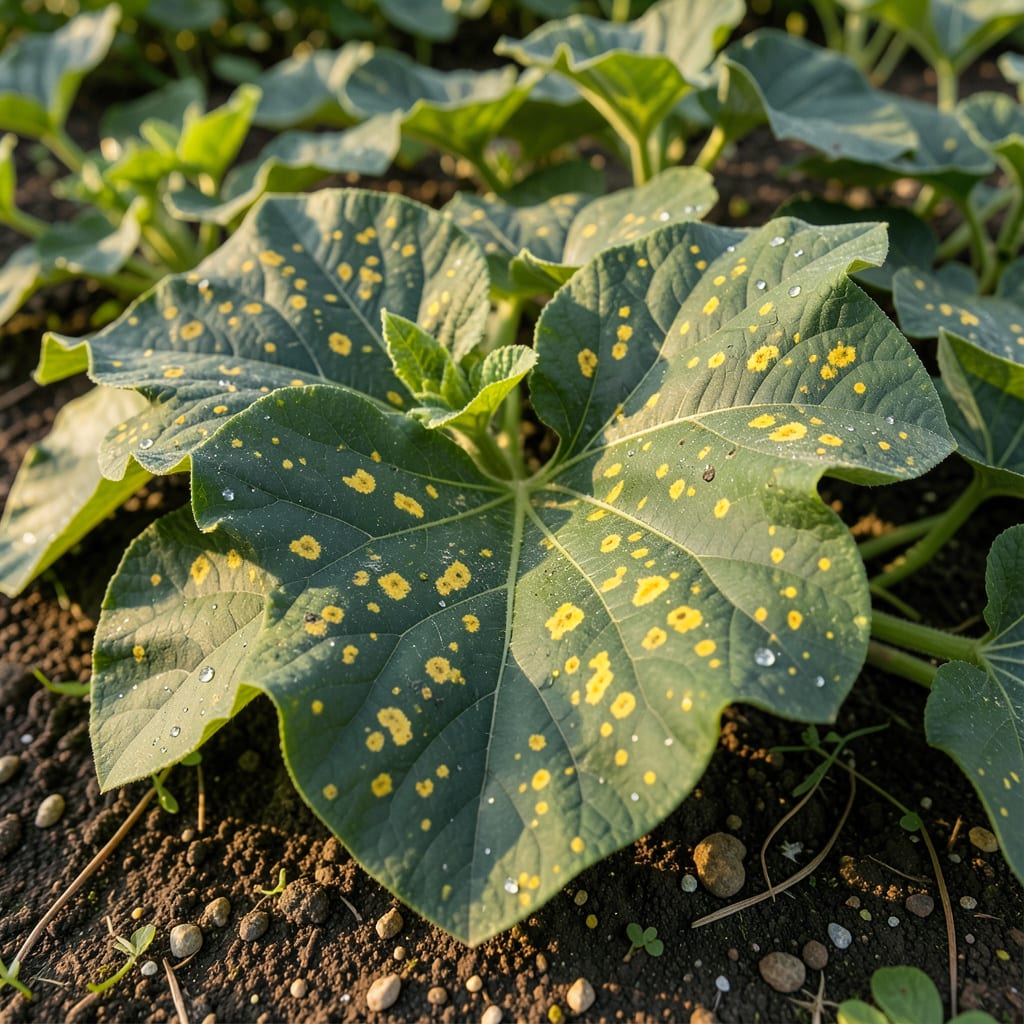
Yellow spots on zucchini leaves always feel like a gut punch. I’ve lost entire plants overnight to this, so I know the panic when you first notice those sickly splotches spreading across your garden.
Here’s the thing—those spots aren’t random. They’re your plant’s distress signal, whether from fungus, bugs, or hungry roots. The good news? Most causes are fixable if you catch them early and act fast.
You’ll learn to spot the difference between powdery mildew’s dusty coating and the stippled damage from spider mites. Each problem has its own telltale signs, and matching the symptom to the solution saves plants.
By the end, you’ll have a clear action plan to stop the spread and nurse your zucchini back to health. No guesswork, just results.
Yellow spots on zucchini leaves are a clear signal that something’s amiss in your garden. These discolorations often stem from environmental stress, pests, or diseases, each with distinct underlying mechanisms. Below are the most common causes, explained in scientific yet practical terms.
Fungi like Cercospora or Alternaria thrive in warm, humid conditions. They produce toxins that disrupt chlorophyll, the green pigment essential for photosynthesis, leading to yellow or brown spots. Spores spread via water splashes or wind, so overhead watering or crowded plants can accelerate infection. Action: Improve air circulation and apply copper-based fungicides preventively.
Sap-sucking insects such as aphids, whiteflies, or spider mites pierce leaf cells, extracting nutrients and introducing pathogens. Their feeding causes localized cell death, appearing as yellow stippling or spots. Honeydew excrement can also foster sooty mold, further stressing the plant. Action: Inspect leaf undersides and treat with insecticidal soap or neem oil at first signs.
A lack of essential nutrients, particularly magnesium or nitrogen, can manifest as interveinal yellowing (spots between veins). Magnesium is central to chlorophyll production, while nitrogen is vital for overall leaf health. Sandy or waterlogged soils often limit nutrient uptake. Action: Conduct a soil test and amend with Epsom salt (for magnesium) or a balanced fertilizer.
Extreme heat, drought, or sunburn can scorch leaf tissues, causing yellow or necrotic spots. Zucchini leaves are large and tender, making them susceptible to moisture loss and UV damage. Inconsistent watering also stresses roots, reducing their ability to supply water and nutrients. Action: Mulch to retain soil moisture and provide afternoon shade in peak summer.
Once you’ve identified the cause of yellow spots on zucchini leaves, take action with these targeted fixes and prevention tips to bring your plants back to health.
If the spots are caused by powdery mildew, downy mildew, or bacterial leaf spot, start by pruning affected leaves with clean, sharp shears. Dispose of them in the trash (not compost) to prevent spread. Apply a copper-based fungicide or a baking soda spray (1 tsp baking soda + 1 quart water + a drop of dish soap) every 7–10 days. Prevention tip: 💡 Improve airflow by spacing plants 2–3 feet apart and watering at the base to keep foliage dry.
For spider mites, aphids, or squash bugs, blast them off with a strong stream of water. Follow up with neem oil or insecticidal soap, applying in the early morning or late evening. Check leaf undersides weekly. Prevention tip: 🎯 Encourage natural predators like ladybugs by planting companion flowers (e.g., marigolds or nasturtiums) nearby.
Yellowing between leaf veins often signals iron or magnesium deficiency. Treat with a foliar spray of chelated iron or Epsom salt solution (1 tbsp Epsom salt + 1 gallon water) every 2 weeks. For nitrogen deficiency (uniform yellowing), side-dress with compost or a balanced fertilizer. Prevention tip: ✨ Test soil annually and amend with organic matter before planting.
If overwatering, drought, or sunscald is the culprit, adjust your routine. Water deeply 1–2 times per week (more in extreme heat) and mulch with straw to retain moisture. Shield plants from harsh afternoon sun with shade cloth if needed. Prevention tip: 🌡️ Use a moisture meter to avoid guesswork—zucchini thrive when soil is consistently moist but not soggy.
Yes, overwatering leads to root rot and poor nutrient uptake, which can manifest as yellow patches. Ensure soil drains well and water only when the top 1-2 inches are dry.
Check leaf undersides for tiny bugs or webbing (pests). Disease spots often have defined edges or fuzzy growth. Use a magnifying glass for close inspection.
Fungal and bacterial issues can spread quickly in wet conditions. Isolate affected plants and avoid overhead watering to prevent contamination.
Yes, as long as the fruit itself shows no signs of disease. Harvest promptly and wash thoroughly before eating.
