
Beautiful Plants For Your Interior
Beautiful Plants For Your Interior
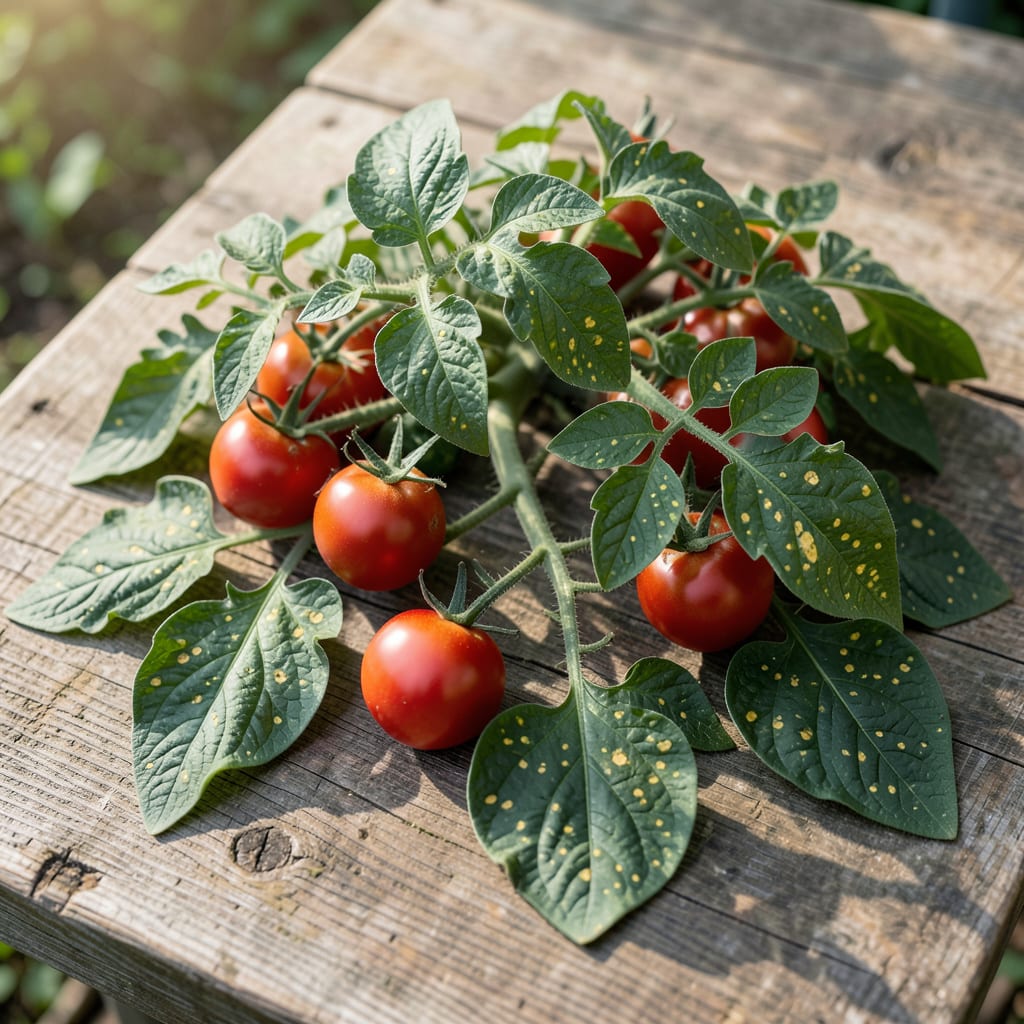
Those yellow spots on your tomato leaves aren’t just ugly—they’re a warning. I’ve seen entire plants go from healthy to hopeless in 48 hours when ignored. The good news? Most causes are fixable if you act fast.
Early blight, aphids, or nutrient shortages often show up as yellow patches first. The key is matching the pattern to the problem: ringed spots, mottled yellow, or whole-leaf discoloration each tell a different story.
With the right approach, your plants can bounce back in a week. I’ve saved more tomato crops with simple sprays and soil tweaks than I can count. The fix is usually simpler than you think.
We’ll cover how to spot the culprit and stop it before your harvest suffers. No advanced degree required—just sharp eyes and quick action.
Yellow spots on tomato plants often signal underlying issues that disrupt their health. Below are the most common causes, explained with actionable insights.
Fungi like Alternaria solani (early blight) or Septoria lycopersici thrive in warm, humid conditions. They produce circular yellow spots with dark centers on lower leaves first, spreading upward. Spores splash from soil to foliage via rain or irrigation. Prevent by: spacing plants for airflow, watering at the base, and removing infected debris.
Sap-sucking pests such as aphids, whiteflies, or spider mites cause stippling or yellow mottling as they drain plant nutrients. Their honeydew also promotes sooty mold growth. Inspect leaf undersides for clusters or webbing, and treat with insecticidal soap or neem oil.
Nitrogen or magnesium shortages often manifest as uniform yellowing between leaf veins (interveinal chlorosis). Nitrogen deficiency starts in older leaves, while magnesium affects lower leaves first. Fix with: balanced fertilizer or Epsom salt (magnesium sulfate) sprays.
Heat stress, drought, or overwatering can trigger yellow patches. Excess moisture suffocates roots, reducing nutrient uptake, while drought causes leaf scorch. Ensure consistent moisture (1–2 inches per week) and mulch to regulate soil temperature.
Viruses like Tomato Yellow Leaf Curl (TYLCV) cause irregular yellow spots and leaf curling. They’re spread by whiteflies or contaminated tools. Remove infected plants immediately to prevent spread and control vector populations.
Tackling yellow spots on your tomato plants starts with identifying the cause. Below are targeted fixes for the most common issues, along with prevention tips to keep your garden thriving.
Fix: Remove infected leaves immediately and discard them away from the garden. Apply a copper-based fungicide or a homemade baking soda spray (1 tsp baking soda + 1 quart water + a drop of dish soap) every 7–10 days. Prune plants to improve airflow.
Prevention: 💡 Water at the base of the plant (avoid wetting leaves) and space plants 18–24 inches apart. Rotate crops yearly to prevent soil-borne fungi.
Fix: Blast pests off with a strong stream of water or apply insecticidal soap. For severe cases, introduce beneficial insects like ladybugs or lacewings.
Prevention: ✨ Inspect plants weekly for early signs of pests. Use reflective mulch to deter whiteflies and keep weeds in check.
Fix: Adjust your watering schedule—tomatoes need 1–2 inches of water per week, depending on heat. Let the top inch of soil dry out between waterings. For overwatered plants, improve drainage by amending soil with compost.
Prevention: 🌡️ Use a moisture meter or the finger test (stick your finger 1–2 inches into soil) to gauge water needs. Mulch around plants to retain consistent moisture.
Fix: For magnesium deficiency (yellow spots between leaf veins), apply Epsom salt (1 tbsp per gallon of water) as a foliar spray. For potassium deficiency, work wood ash or a balanced fertilizer into the soil.
Prevention: 🎯 Conduct a soil test before planting and amend with organic matter. Feed plants with a tomato-specific fertilizer every 2–3 weeks during the growing season.
Yes, too much water suffocates roots, reducing nutrient uptake. You’ll see yellowing between veins first, often accompanied by wilting despite wet soil. Always check soil moisture before watering.
Fungal spots often have dark rings or centers and appear on lower leaves first. Pests cause stippling or mottling, with visible insects or webbing on leaf undersides. Use a magnifying glass for close inspection.
No, once leaves turn yellow they won’t recover, but new growth will be healthy if you fix the underlying issue. Remove severely affected leaves to redirect energy to healthy foliage.
Neem oil works well for soft-bodied pests like aphids and whiteflies but may need repeated applications. For spider mites, insecticidal soap often works better. Always apply in the evening to avoid leaf burn.
