
Beautiful Plants For Your Interior
Beautiful Plants For Your Interior
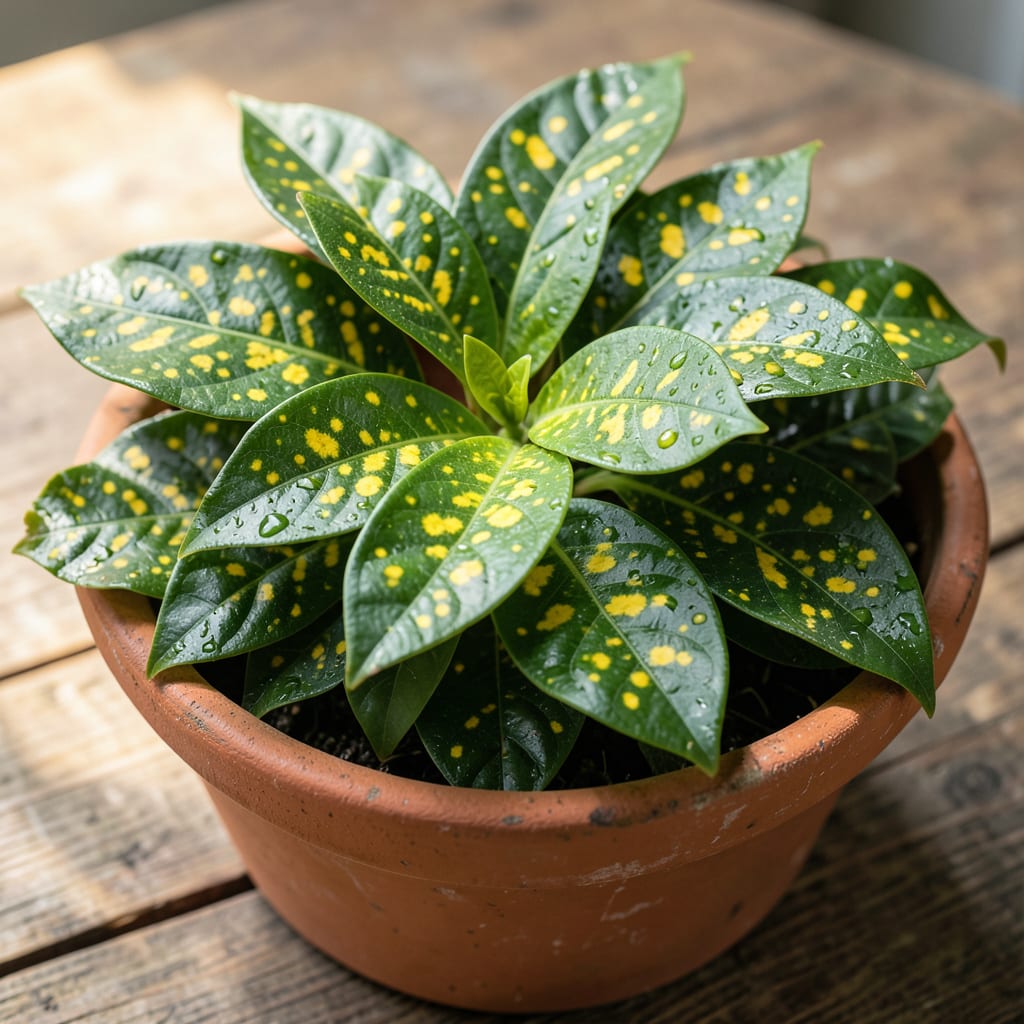
Yellow spots on jasmine leaves always feel like a gut punch. I’ve seen this pattern more times than I’d like to admit—usually starting as small discolorations before spreading across the foliage.
Here’s the thing—it’s often a fungal issue, but don’t jump to conclusions. Overwatering, poor air circulation, or even a nutrient imbalance can mimic the same symptoms. The key is checking the undersides of leaves and the soil moisture first.
With the right approach, you can stop the spread within 7-10 days. Organic treatments work surprisingly well, and prevention is simpler than you’d think. Your plants can bounce back stronger than before.
No need to panic. Most cases are fixable with a few adjustments to your care routine. Let’s figure out exactly what your jasmine needs.
Yellow spots on jasmine leaves often signal underlying issues that disrupt the plant’s health. Below are the most common causes, explained with actionable insights.
Pathogens like Cercospora or Alternaria thrive in humid conditions, producing circular yellow spots with dark borders. These fungi spread via water splash, so overhead watering or crowded foliage accelerates infection. Act fast: Remove infected leaves and improve airflow to slow the spread.
Sap-sucking pests such as spider mites, aphids, or scale insects drain nutrients, leaving behind yellow stippling or spots. Check leaf undersides for webbing, sticky residue (honeydew), or tiny moving dots. Solution: Blast pests off with water or apply neem oil for organic control.
Lack of essential minerals—like magnesium (interveinal yellowing) or iron (uniform chlorosis)—can manifest as yellow patches. Poor soil pH (above 7.0) often locks out iron, even if it’s present. Fix it: Test soil pH and amend with sulfur or chelated iron as needed.
Excessive sun exposure (scald), sudden temperature drops, or waterlogged roots can stress jasmine, triggering localized yellowing. Roots suffocate in soggy soil, reducing nutrient uptake. Prevent it: Ensure well-draining soil and consistent watering without waterlogging.
Overuse of herbicides, fertilizers, or hard water (high salts) may cause foliar burns, appearing as irregular yellow or brown spots. Remedy: Flush soil with distilled water and avoid spraying chemicals in direct sunlight.
Tackling yellow spots on your jasmine leaves starts with identifying the root cause. Below are targeted solutions for each common issue, paired with prevention tips to keep your plant thriving.
Fix: Remove infected leaves immediately to prevent spreading. Apply a copper-based fungicide or neem oil spray (1 tbsp neem oil + 1 tsp dish soap + 1 liter water) every 7–10 days until the spots disappear. For severe cases, use a bactericide like streptomycin.
Prevention: 💡 Avoid overhead watering—water at the base instead. Ensure good air circulation by spacing plants properly, and sterilize pruning tools with rubbing alcohol after each use.
Fix: Wipe leaves with a soapy water solution (1 tsp mild soap + 1 liter water) to remove aphids, spider mites, or whiteflies. For stubborn pests, use insecticidal soap or horticultural oil. Repeat every 5–7 days as needed.
Prevention: ✨ Introduce beneficial insects like ladybugs or lacewings. Regularly inspect the undersides of leaves for early signs of pests.
Fix: Test your soil with a pH kit. If the pH is off (jasmine prefers 6.0–7.0), amend with lime (to raise pH) or sulfur (to lower pH). For deficiencies, use a balanced fertilizer (10-10-10) or add compost for organic nutrients.
Prevention: 🎯 Feed jasmine with a slow-release fertilizer every 2–3 months during the growing season. Avoid over-fertilizing, which can burn roots.
Fix: Let the top 1–2 inches of soil dry out between waterings. If root rot is suspected, repot the plant in fresh, well-draining soil and trim any black, mushy roots.
Prevention: 🌡️ Use pots with drainage holes and a mix of 60% potting soil + 40% perlite or sand. Water deeply but less frequently—once a week is often enough.
Fix: Move potted jasmine to a spot with bright, indirect light (4–6 hours of sunlight daily). If leaves are scorched, provide afternoon shade. For temperature stress, keep plants in a stable environment (65–75°F).
Prevention: 🔥 Acclimate jasmine gradually to new conditions. Use mulch to retain soil moisture and protect roots from extreme temperatures.
Yes, overwatering leads to root rot, which restricts nutrient uptake and causes yellow patches. Let soil dry between waterings and ensure pots have drainage holes.
Mix 1 tablespoon neem oil with 1 liter water and spray every 7-10 days until spots fade. It’s organic and prevents reinfection.
Remove heavily spotted leaves immediately to stop the spread. Use sterilized tools and dispose of leaves away from the plant. This also improves airflow.
Improve air circulation, avoid overhead watering, and maintain consistent soil moisture. A balanced fertilizer every 2-3 months helps too.
