
Beautiful Plants For Your Interior
Beautiful Plants For Your Interior
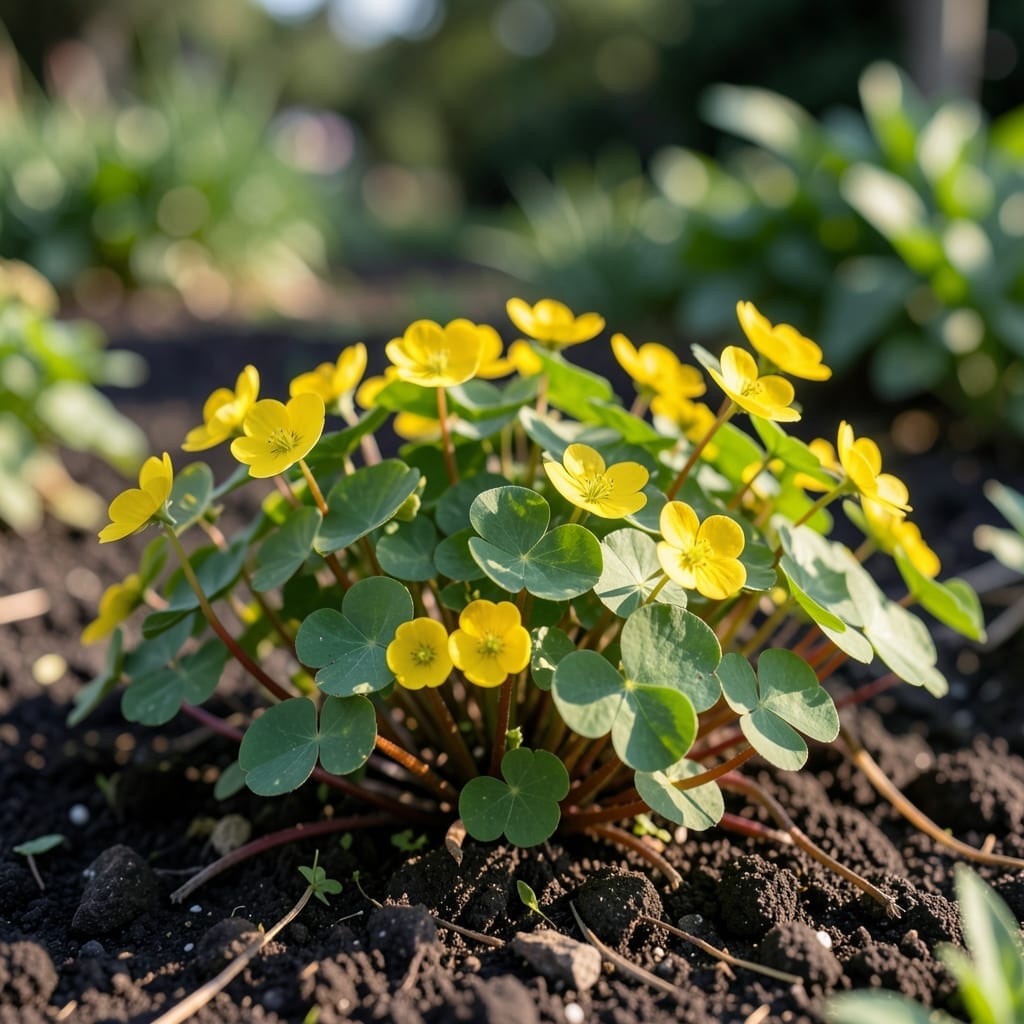
Yellow oxalis contains oxalic acid, making it toxic in large quantities, but small amounts of some varieties are edible when properly prepared. Always verify the specific species before consumption.
What many don’t realize is that oxalic acid can crystallize in the body, potentially causing kidney issues if consumed recklessly. I’ve learned that wood sorrel (Oxalis spp.) is the most commonly eaten variety, but even then, moderation and proper identification are non-negotiable. The key difference lies in concentration levels and preparation methods, which can significantly reduce risk. ✨
From my experience, boiling or soaking can help lower oxalate content, but never assume safety without expert confirmation. 💫
💡 In This Article
Oxalic acid is the primary culprit behind yellow oxalis toxicity. This compound binds with calcium in the body, forming insoluble crystals that can accumulate in the kidneys. The concentration varies dramatically between species—wood sorrel (Oxalis acetosella) contains about 0.3-0.5% oxalic acid by weight, while others like Oxalis pes-caprae can reach 1-1.5%. 🔥
These variations exist because oxalis plants developed oxalic acid as a defense mechanism against herbivores. The compound creates a sour taste that deters animals, while also providing some protection against fungal infections.
In humans, the threshold for toxicity begins around 500-600 mg of oxalic acid, which translates to consuming roughly 1-2 cups of raw, high-oxalate oxalis varieties. ✨
What makes some varieties safer is their lower oxalate content combined with traditional preparation methods. For instance, Oxalis tuberosa (oca) has been cultivated in the Andes for centuries with oxalate levels as low as 0.1%. The plant’s growing conditions also influence toxicity—soil pH, sunlight exposure, and water availability can all affect oxalic acid production. 💫
The biological mechanism behind oxalate toxicity involves more than just crystal formation. These compounds can also inhibit certain enzymes, particularly those involved in calcium metabolism. This dual action explains why symptoms can range from mild mouth irritation to more serious systemic issues with excessive consumption.
The body’s ability to process oxalates varies between individuals, adding another layer of complexity to safe consumption. ⚡
Interestingly, oxalic acid isn’t unique to oxalis—it’s also found in spinach, rhubarb, and beets. However, oxalis often contains higher concentrations per gram than these common vegetables. The difference in risk comes down to both the absolute amount consumed and how the plant is prepared.
Traditional cultures that consume oxalis often use techniques that leach out oxalates before eating. 🌟
Only consume positively identified edible varieties like wood sorrel. Look for three heart-shaped leaflets and a sour taste. When in doubt, consult a foraging expert or field guide. Never eat wild plants without confirmation.
Consuming large amounts may cause mouth irritation, nausea, or kidney issues due to oxalic acid. Symptoms typically appear within 2-6 hours. Seek medical help if you experience severe discomfort.
Small amounts of properly identified wood sorrel are fine raw. Limit to 1-2 tablespoons per serving. Soaking leaves first reduces oxalates. Avoid raw consumption if you have kidney problems.
No. Cooking reduces but doesn’t eliminate oxalates in toxic varieties. Always verify the species first. Boiling edible types for 2-3 minutes helps, but never assume safety.
Yes. Avoid plants with similar leaves like clover or shamrock, which may be toxic. True wood sorrel has a distinct lemony flavor. When uncertain, don’t risk it.