
Beautiful Plants For Your Interior
Beautiful Plants For Your Interior
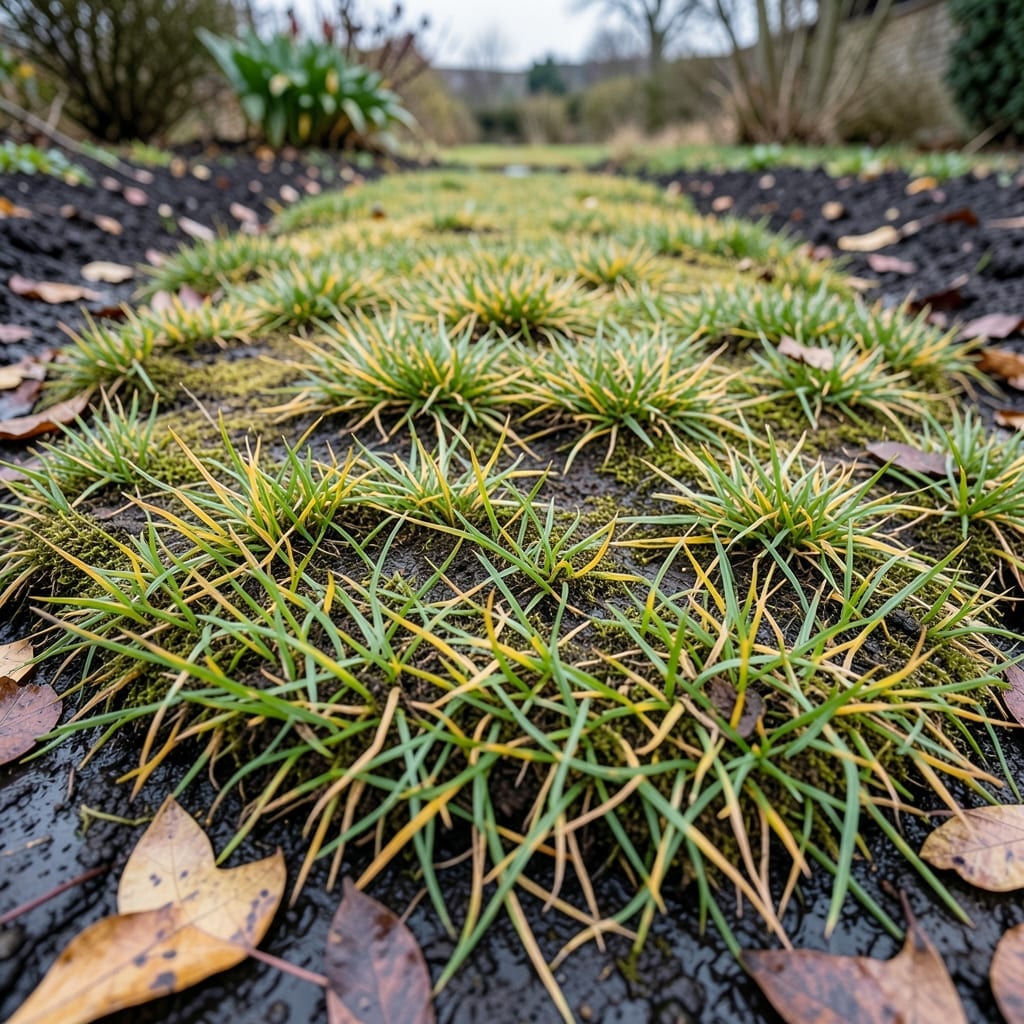
Your lawn shouldn’t look like a swamp. I’ve seen yellow patches spread overnight when watering gets out of hand, and it’s always the same root problem—literally.
The sod suffocates when roots can’t breathe. Too much water pushes out oxygen, and the grass responds by turning yellow, then brown. Most people keep watering, making it worse. The fix starts with letting the soil dry.
Within 3-5 days of proper care, you’ll see the color return. The grass bounces back faster than you’d expect, but only if you stop the cycle now. No more daily soaking.
Works for new sod or established lawns. Here’s how to rescue it before it’s too late.
Overwatering disrupts the delicate balance your sod needs to thrive. Here’s why it turns yellow when the water keeps coming:
Sod roots require oxygen to respire and absorb nutrients. When soil is saturated, water fills the air pockets, suffocating the roots. Without oxygen, root cells die, and the grass above can’t uptake water or nutrients—leading to chlorosis (yellowing) as chlorophyll breaks down.
Excess moisture creates a breeding ground for pathogenic fungi like Pythium and Rhizoctonia. These fungi attack weakened roots, causing rot. As roots decay, the sod’s ability to absorb water and minerals collapses, and the blades turn yellow from nutrient deficiency.
Water flushes essential nutrients (nitrogen, iron, magnesium) below the root zone. Nitrogen is highly mobile—overwatering washes it away, leaving grass starved. Without nitrogen, the sod can’t produce chlorophyll, resulting in pale yellow patches.
If your soil is clay-heavy or compacted, water pools on the surface instead of draining. This prolongs saturation, accelerating root damage. Poor drainage also encourages anaerobic bacteria, which produce toxins harmful to grass, speeding up yellowing.
Yellow, waterlogged sod can bounce back with the right care. Below are targeted fixes for the most common causes, along with prevention tips to keep your lawn lush and healthy.
If overwatering is the culprit, cut back immediately. Most lawns need only 1–1.5 inches of water per week, including rainfall. Use a rain gauge to track moisture, and water early in the morning to allow for evaporation. Switch to deep, infrequent watering (2–3 times per week) instead of daily light sprinkles to encourage deeper root growth.
Prevention tip: 💡 Install a smart irrigation controller to auto-adjust based on weather conditions.
Compacted soil traps water at the roots. Aerate your lawn with a core aerator to create channels for water to drain. For severe compaction, top-dress with compost or sand to improve soil structure. If low spots are pooling water, level them with a mix of topsoil and sand.
Prevention tip: ✨ Test drainage by digging a small hole and filling it with water—if it doesn’t drain within 4 hours, your soil needs amendment.
Overwatering breeds fungi like Pythium or Rhizoctonia, which turn sod yellow. Apply a fungicide labeled for lawn diseases, and reduce watering until the issue clears. Remove thatch (a layer of dead grass) if it’s over ½ inch thick, as it holds excess moisture.
Prevention tip: 🎯 Mow regularly (never remove more than ⅓ of the blade) and bag clippings if disease is present to avoid spreading spores.
If your sod isn’t suited to your climate (e.g., cool-season grass in a hot, humid area), it’ll struggle. Replace it with a drought-tolerant variety like Bermuda or Zoysia for warm regions, or Kentucky Bluegrass for cooler zones. For shady spots, opt for shade-tolerant fescue.
Prevention tip: 🌡️ Consult local nurseries for grass types that thrive in your specific conditions.
Water new sod daily for the first 2 weeks, keeping soil moist but not soggy. After that, reduce to 2-3 times per week, giving ½ inch per session. Overdoing it causes yellowing.
Aerate immediately to improve drainage, then stop watering for 2-3 days. If rain is forecast, cover yellow patches with a tarp. Sunlight and airflow speed up recovery.
Yes, if roots aren’t rotted. Reduce water, aerate, and apply a balanced fertilizer. You’ll see improvement in 5-7 days with proper care.