
Beautiful Plants For Your Interior
Beautiful Plants For Your Interior
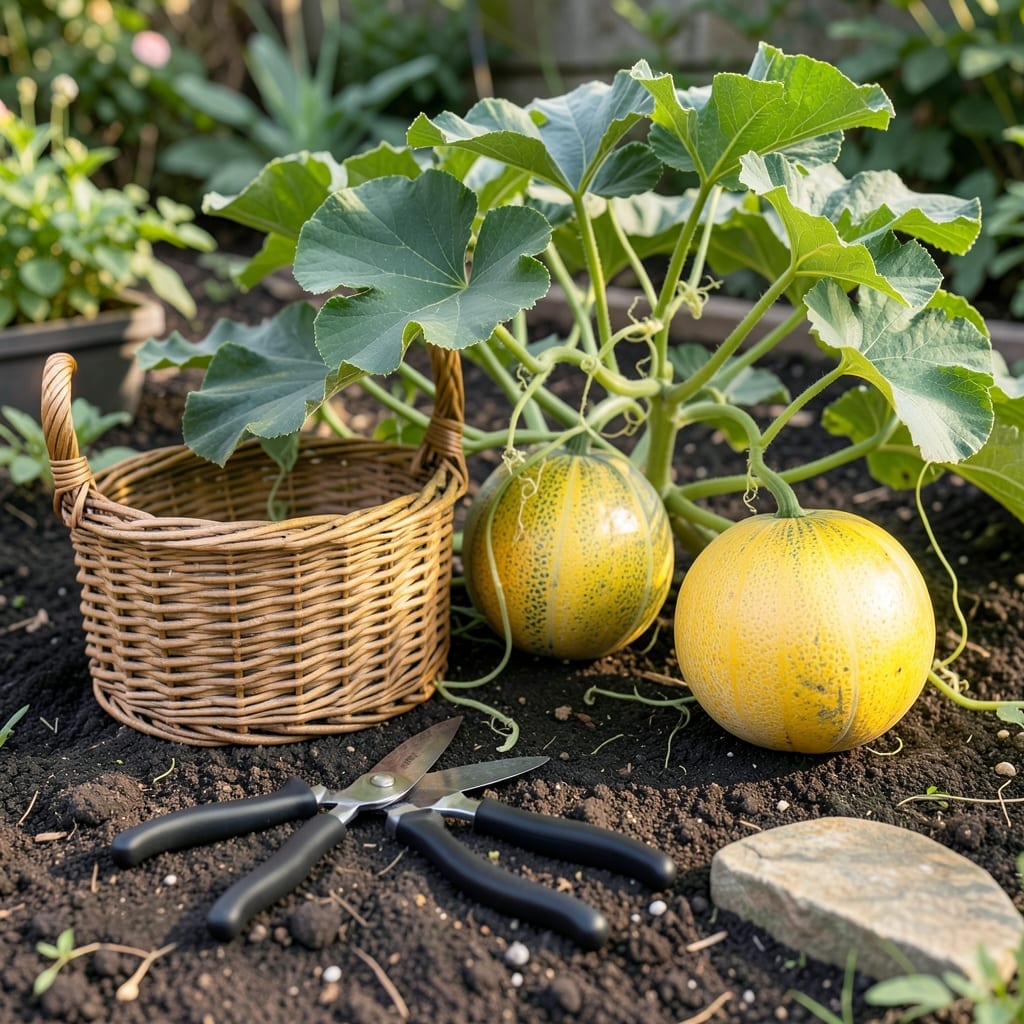
Nothing beats the sweet, honey-like flavor of a perfectly ripe Yellow Melon—but knowing when to pick it can be tricky. 🍈 That moment when you slice into one and find it underripe is heartbreaking.
I’ve been there, staring at my vines in July and August, wondering if today’s the day. The good news? There are clear signs that take the guesswork out of harvesting.
From color changes to the way the stem behaves, your Yellow Melon will literally tell you it’s ready. And timing it right means the difference between meh and magnificent.
Let me show you the easiest ways to spot a ripe melon, so you can enjoy that perfect, juicy bite every time.


I’ve found that the rind color is the first clue—when it shifts from green to bright yellow, your melon is getting close. But color alone isn’t enough; you’ll need to check other signs too. 🌻
The stem connection is critical. A ripe yellow melon will have a stem that slips easily from the vine with gentle pressure. If it resists, the fruit isn’t ready yet. ☀️
| Sign | Ripe Indicator |
| Rind Color | Bright yellow all over |
| Stem | Slips off easily |
| Texture | Slightly soft at stem end |
| Aroma | Sweet fragrance near stem |
| Sound | Hollow thud when tapped |
Another reliable test is the aroma check. A ripe yellow melon emits a sweet, musky scent at the stem end. If you don’t smell anything, it’s likely still underripe. 🌱
The tapping method works well too. Hold the melon and tap it lightly—if it produces a deep, hollow sound, it’s ripe. A dull thud means it needs more time. ✂️
I also look at the blossom end (opposite the stem). When ripe, this area will give slightly under gentle pressure, similar to a ripe avocado. Be careful not to press too hard. 🌿
For canary melons, the rind turns a golden yellow when ready. Honeydew types may develop a slightly waxy texture on the surface. Always combine multiple signs for accuracy. 🌻
If the melon feels too soft all over, it’s likely overripe. Overripe melons lose their crisp texture and can ferment quickly. Harvest at the first signs of ripeness for the best flavor. ☀️
I’ve learned that morning harvesting is ideal. The fruit is firmer and the sugars are more concentrated after a cool night. Use a sharp knife or pruners to cut the stem cleanly. 🌱
Finally, remember that yellow melons don’t continue ripening after picking like some other fruits. So, it’s crucial to get the timing right on the vine. Trust your senses and these visual cues. 🌿
Timing your yellow melon harvest depends on the variety. Canary melons typically ripen in 75-80 days, while honeydew may take 80-85 days. Climate plays a role too—warmer regions often speed up maturity.
For casaba melons, expect a longer wait of 90-100 days. Always check the seed packet for days-to-maturity estimates, but remember these are guidelines, not strict rules.
| Variety | Days to Maturity | Climate Tip |
|---|---|---|
| Canary | 75-80 days | Thrives in hot, dry climates |
| Honeydew | 80-85 days | Needs consistent warmth |
| Casaba | 90-100 days | Prefers longer growing seasons |
I’ve found that soil temperature matters just as much as days. 70°F or warmer is ideal for planting, but melons grow faster in 80°F+ conditions. Use a soil thermometer to track progress.
Seasonal adjustments are key. In cooler climates, start seeds indoors or use black plastic mulch to warm the soil. This can shave 5-10 days off your harvest time.
For yellow melons, watch for color deepening and stem separation as harvest nears. These signs often appear 1-2 weeks before the melon is fully ripe.
If you’re growing multiple varieties, label your plants to avoid confusion. I once mixed up my canary and honeydew, leading to a premature harvest—lesson learned!
Finally, morning harvesting preserves sweetness. Melons picked in the heat of the day can lose flavor faster. Aim for early hours when sugars are most concentrated.
☀️