
Beautiful Plants For Your Interior
Beautiful Plants For Your Interior
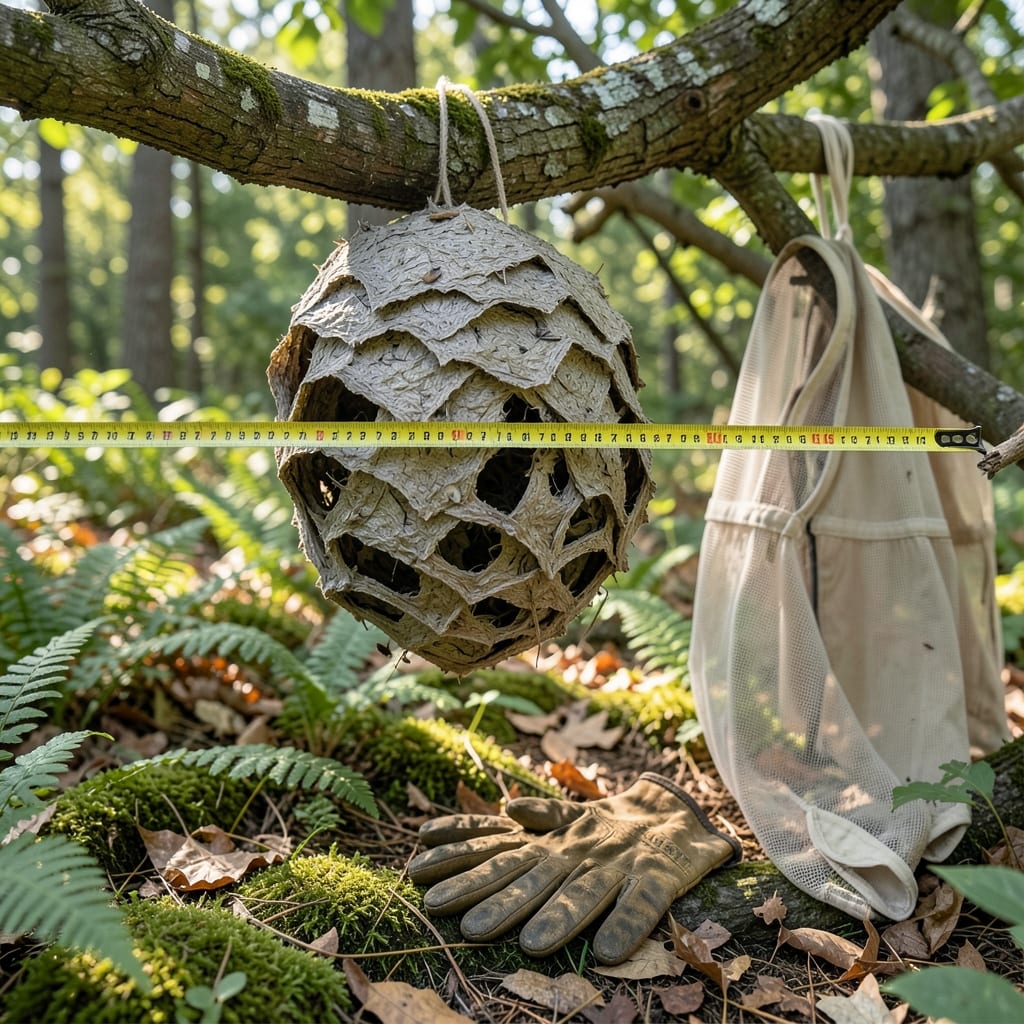
A typical yellow jacket nest measures 12 to 24 inches in diameter, with some large colonies reaching up to 4 feet tall. Mature nests contain 3,000 to 15,000 cells, housing thousands of workers.
I’ve seen these nests grow remarkably fast during summer months. 🔥 A queen starts with a small paper structure in spring, but by late summer, worker activity can expand it to the size of a basketball or larger. The hexagonal cells are meticulously built for larvae and storage, showing the insects’ impressive engineering skills.
💡 In This Article
The process begins with a single fertilized queen in spring. She builds a small paper nest, often the size of a golf ball, using chewed wood fibers mixed with her saliva. This initial structure contains just a few dozen cells where she lays eggs that hatch into the first worker generation.
As temperatures rise to 70-80°F, worker numbers explode. Each new generation expands the nest by adding concentric layers of comb. A healthy colony can add 500-1000 cells weekly during peak summer, with workers producing paper at remarkable speed. The nest’s paper walls, made from 10-15 layers of chewed fibers, become thicker as the colony grows.
By late summer, the nest reaches its maximum size. Queens in mild climates may produce nests up to 4 feet tall with multiple combs stacked vertically. The outer envelope often has a distinctive football shape with a single entrance hole at the bottom. 🔥
Environmental factors heavily influence growth rates. Abundant food sources can accelerate development, while cold snaps or predator attacks may stunt it. Urban areas with easy access to human food often see nests grow 20-30% larger than those in wild settings.
Interestingly, nest size correlates directly with colony population. A 12-inch diameter nest typically houses 1,000-2,000 workers, while the largest 4-foot structures can support populations exceeding 15,000. This relationship remains consistent across different yellow jacket species.
The paper itself is a marvel of natural engineering. Workers chew wood to a pulp, mix it with salivary secretions, and form it into thin, water-resistant sheets. The resulting material is surprisingly strong, able to support the weight of multiple combs filled with developing larvae. ✨
A healthy colony can add 500-1000 cells weekly during peak summer. With ideal conditions, a nest may expand from golf ball size in spring to 24 inches across by late summer.
In mild climates, some nests grow up to 4 feet tall with multiple stacked combs. These massive structures can house over 15,000 individuals.
Yes, there’s a direct correlation. A 12-inch nest typically holds 1,000-2,000 workers, while larger nests support proportionally bigger populations.
Urban areas with abundant food often see nests grow 20-30% larger than wild settings. Sheltered spots like sheds or decks provide ideal expansion space.