
Beautiful Plants For Your Interior
Beautiful Plants For Your Interior
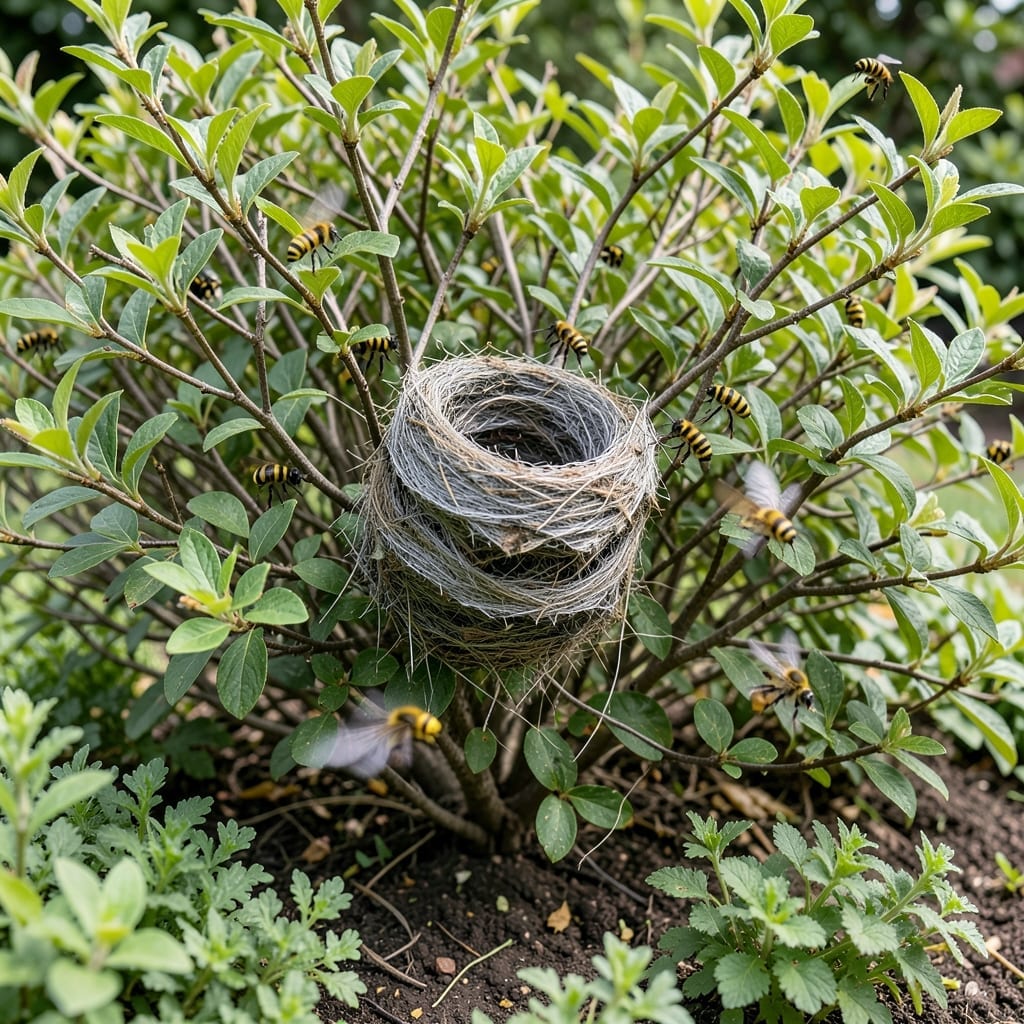
Yellow jackets typically build nests underground in abandoned burrows, in wall voids, attics, or dense shrubs. They favor sheltered, dry locations near human activity.
I’ve noticed these wasps are particularly drawn to areas that offer both protection and easy access to food. Their underground nests often go unnoticed until disturbed, while wall voids and attics provide the warmth and concealment they prefer. 🔥
They’re strategic builders, choosing sites that minimize exposure to weather and predators. This is why you’ll often find them near picnic areas or garbage bins where food scraps accumulate.
💡 In This Article
These wasps seek locations that offer thermal stability and protection from elements. Underground burrows maintain a consistent 70-80°F temperature, ideal for brood development. The soil acts as natural insulation, shielding the colony from extreme heat or cold that could harm developing larvae. 🔥
Abandoned rodent holes provide pre-dug chambers, saving energy for the founding queen. Wall voids and attics mimic natural tree cavities, offering dry spaces with existing structural support. The paper-like nest material, made from chewed wood fibers mixed with saliva, hardens into a durable structure that can house 1,000-4,000 workers at peak colony size.
Proximity to human food sources is strategic. A nest within 100-200 feet of garbage cans or picnic areas ensures workers can make dozens of foraging trips daily without expending excessive energy. This efficiency is crucial since a single colony may consume 1-2 pounds of protein (like insects or meat) per week during peak summer. ✨
Seasonal patterns show queens emerging in spring to establish new colonies. They prefer sites with morning sun exposure to warm the nest quickly after cool nights. Dense shrubs provide both concealment and moderate humidity—conditions that prevent the paper nest from becoming brittle or moldy.
Colony size directly influences site selection. Larger nests require more substantial cavities, which is why you’ll often find mature colonies in wall voids with at least 6-8 inches of depth. Smaller spring nests may start in something as simple as a discarded flower pot turned on its side. 💫
Underground burrows provide natural insulation, maintaining a stable 70-80°F temperature ideal for brood development. The soil also protects against predators and harsh weather.
Look for steady wasp traffic flying in a straight line toward a small hole in the ground or a gap in siding. Avoid approaching closely, especially during daylight hours when workers are most active.
Yes, wall voids mimic natural tree cavities and offer dry, protected spaces. Mature colonies often choose these areas for their depth, typically requiring at least 6-8 inches of space.
They peak in mid-to-late summer when colonies are largest. Workers forage aggressively during the day, especially near food sources like garbage cans or picnic areas.
Inspect at dusk when workers are less active, and keep a safe distance. Never seal entrances while wasps are inside, as this can force them to find new exit routes indoors.