
Beautiful Plants For Your Interior
Beautiful Plants For Your Interior
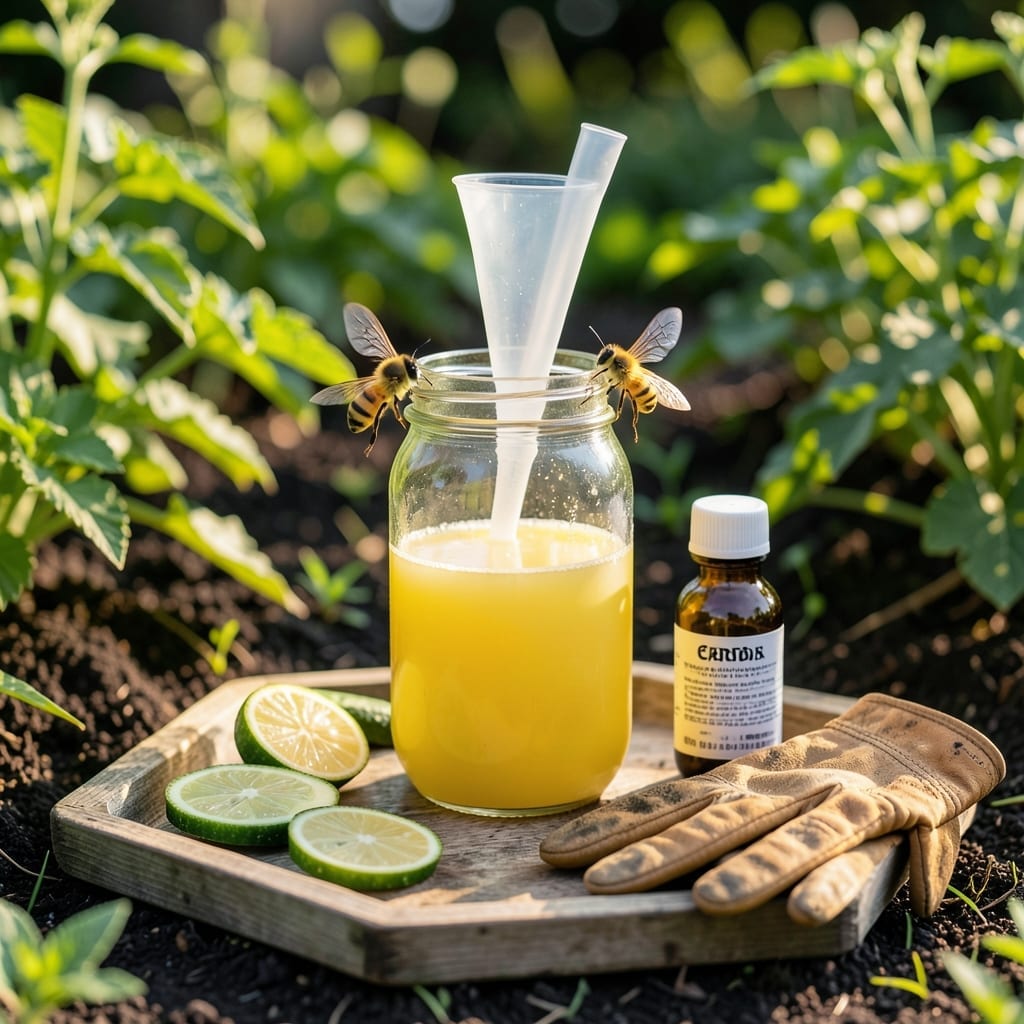
Yellow jackets ruined my garden parties last summer. After trying everything, I discovered a foolproof solution that doesn’t harm my plants or the environment.
It uses just soap and water—items I already had in my garage. The mix breaks down their exoskeletons without chemicals, giving me instant relief from those aggressive stings.
Now I set these traps near problem areas in early morning when they’re less active. Within hours, I notice fewer wasps buzzing around my flowers and picnic table.
Safe for bees and butterflies too. This method works for patios, gardens, or anywhere yellow jackets become a nuisance.
Understanding why yellow jackets become a nuisance is the first step in managing them naturally. These aggressive wasps are driven by specific environmental and biological factors. Below are the primary causes behind their unwelcome presence.
Yellow jackets are most active in late summer and early fall when their natural food sources—like insects and nectar—dwindle. As colonies grow, worker wasps scavenge aggressively for sugars and proteins, often targeting human food at picnics, garbage cans, or compost piles. This behavior peaks when larvae in the nest demand more sustenance, forcing workers to seek easy meals.
Unlike bees, yellow jackets build paper nests underground or in concealed structures (e.g., sheds, wall voids). Proximity to homes or gardens increases encounters, especially if nests are disturbed. Vibrations from lawnmowers or foot traffic can trigger defensive swarming, as they perceive threats to their colony.
Warm temperatures speed up their life cycle, leading to larger colonies faster. A single queen can produce thousands of workers in a season. Combined with reduced rainfall (which limits natural prey), this forces yellow jackets to invade human spaces for survival, making traps and natural remedies essential.
Dealing with yellow jackets can be frustrating, but these natural solutions can help you reclaim your outdoor space safely and effectively.
If you’ve been stung, clean the area with soap and water to prevent infection. Apply a cold compress or ice pack to reduce swelling. For itching, a paste of baking soda and water or a dab of honey can soothe the skin. Prevention tip: 💡 Avoid wearing bright colors or floral prints outdoors, as they attract yellow jackets.
Create a simple trap using a 2-liter bottle. Cut the top off, invert it, and tape it to the base. Fill with a mix of sugar water, vinegar, and dish soap. The soap breaks the surface tension, drowning the wasps. Prevention tip: ✨ Place traps away from high-traffic areas to lure yellow jackets away from your space.
If you spot a nest, act at dusk or dawn when yellow jackets are less active. Use a vacuum with a long hose to suck them up (dispose of the bag immediately). For underground nests, pour boiling water mixed with soap into the entrance. Prevention tip: 🎯 Seal garbage cans tightly and keep food covered during outdoor gatherings.
These remedies are easy, effective, and keep your garden yellow-jacket-free! 🌿
Replace the mixture every 2-3 days or when it becomes cloudy. Fresh solution ensures maximum effectiveness in breaking down their exoskeletons.
No, bees and butterflies are not attracted to the soap mixture like yellow jackets. They’ll avoid the trap entirely, keeping your garden ecosystem safe.
Yes, but place traps out of reach to prevent accidental contact. The solution is non-toxic but can irritate eyes or skin.
Set traps in the early morning when yellow jackets are less active. This gives them time to discover and enter the trap before peak activity.