
Beautiful Plants For Your Interior
Beautiful Plants For Your Interior
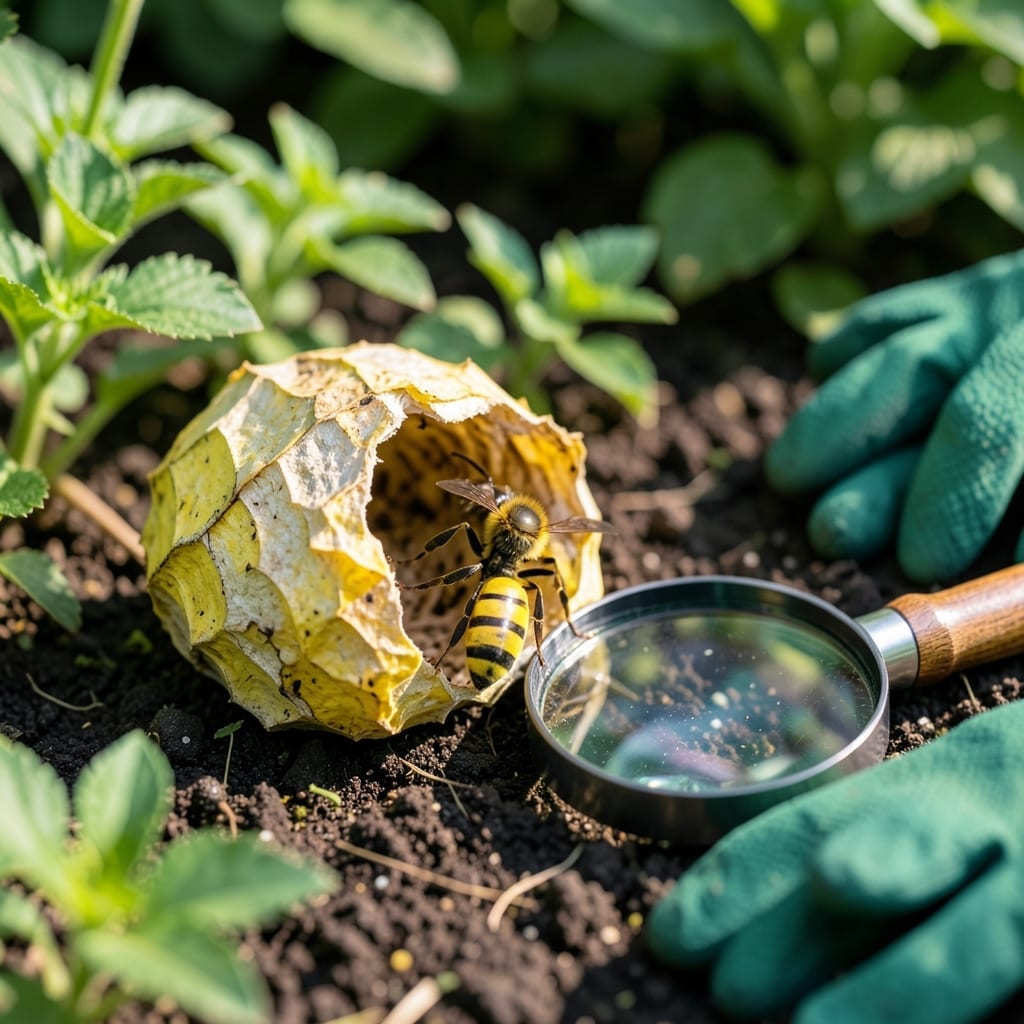
Worker yellow jackets live 12 to 22 days, while queens can survive up to a year. Males die shortly after mating, and the entire colony typically collapses in winter except for new queens.
I’ve noticed their short lifespan is tied to their intense role—workers spend every moment foraging, defending the nest, and caring for larvae. 🔥 Queens, however, enter a dormant state called diapause to overwinter, emerging in spring to start new colonies. This cycle ensures the species survives annual die-offs, with only fertilized queens carrying the genetic line forward.
💡 In This Article
The journey from egg to adult yellow jacket unfolds in about 30-60 days, depending on temperature and food availability. Queens lay eggs in spring, which hatch into larvae within 5-8 days. These larvae are entirely dependent on worker-provided protein, typically chewed-up insects or carrion, for their rapid growth phase.
After the larval stage, they enter the pupal phase, which lasts 12-15 days at optimal temperatures around 80-90°F. The metamorphosis inside the pupal cell is where the transformation from grub-like larva to recognizable wasp occurs. Cooler temperatures can extend this phase to 30+ days, delaying the colony’s growth. 🔥
Once emerged, workers immediately begin their exhausting duties: foraging, nest maintenance, and defense. Their short adult lifespan is a trade-off for their high-energy role—constantly flying and working at a metabolic rate that burns through their energy reserves quickly. Queens, in contrast, develop with extra fat reserves to support their longer lifespan and future egg-laying demands.
The colony’s fate hinges on these developmental timelines. A warm, food-rich summer accelerates the cycle, producing multiple generations of workers. This rapid turnover allows colonies to grow exponentially, sometimes exceeding 5,000 individuals by late summer. The first workers emerge in May, and their offspring can become workers themselves by June.
Environmental triggers like photoperiod and temperature signal to queens when to produce reproductive males and new queens. As days shorten in late summer, the colony shifts focus from workers to future queens, who will mate and find overwintering sites. This biological clock ensures the cycle continues despite the inevitable winter die-off. ✨
Workers have a short lifespan of about 12 to 22 days. Their high-energy roles—foraging, defending the nest, and caring for larvae—burn through their energy reserves quickly, leading to their brief but busy lives.
Queens enter a dormant state called diapause to survive the cold. They find sheltered spots to overwinter, emerging in spring to start new colonies once temperatures warm up.
No, males die shortly after mating in late summer or early fall. Their sole purpose is reproduction, and unlike queens, they don’t survive to see the next season.
Warmer temperatures around 80-90°F speed up their life cycle, allowing eggs to hatch in 5-8 days and pupae to emerge in 12-15 days. Cooler weather can double these timeframes.