
Beautiful Plants For Your Interior
Beautiful Plants For Your Interior
Here’s the thing—yellow jackets ruin summer picnics and terrorize gardens. I’ve tried every store-bought trap, but none worked like my homemade solution using ingredients you already have in your pantry.
This method lures them in fast and keeps them from returning. You’ll notice fewer wasps within 24 hours, and it’s safe around kids and pets when placed correctly. No harsh chemicals, just smart biology.
📚 In This Guide
Here’s the method I rely on for creating effective, natural lures that work every time.
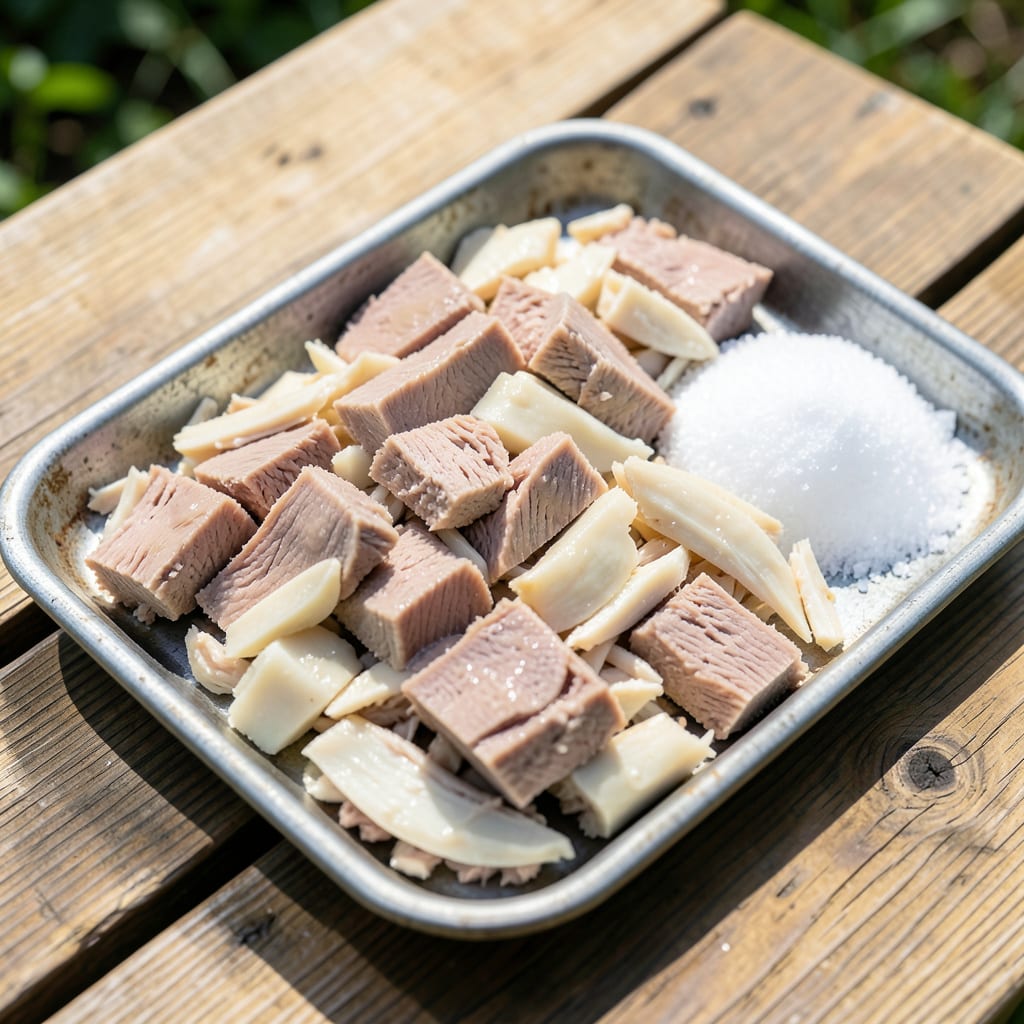
Yellow jackets are protein-seekers in spring and sugar-cravers in summer. I use canned tuna or chicken as my protein base during early season when colonies are establishing. The strong odor travels farther than you’d expect, drawing workers from impressive distances.
For summer trapping, switch to overripe fruit or sweet liquids like apple juice. The fermentation process creates an irresistible scent. I’ve found that slightly spoiled fruit works better than fresh—it mimics the natural decay yellow jackets seek in the wild.
Combine your chosen attractant with 1 part water to 1 part protein/sugar source in a shallow container. For protein baits, I mash the meat into a paste with water to increase surface area and odor dispersion. The consistency should be thin enough to allow wasps to feed easily but thick enough to prevent rapid evaporation.
Add a few drops of dish soap to break surface tension—this causes the wasps to sink and drown. Real talk: this is the moment that matters. Without the soap, they’ll feed and escape to recruit others. Stir gently to avoid creating excessive bubbles that might deter the first scouts.
Use a container with small entry holes (about ¼ inch diameter) that yellow jackets can enter but larger beneficial insects can’t. I drill these near the top of a plastic bottle, creating an inverted cone inside that prevents escape. Place the trap 20-30 feet away from human activity—close enough to intercept foragers but far enough to avoid provoking defensive behavior.
Hang traps at 3-5 feet above ground in areas where you’ve noticed yellow jacket activity. Morning sun exposure helps warm the bait and intensify the scent. I check traps every 24-48 hours in warm weather, as the bait loses potency quickly and dead wasps can deter new visitors.
Replace the bait mixture every 3-4 days or when it becomes clogged with dead wasps. Protein baits spoil faster in heat, so I refresh these every 2 days when temperatures exceed 85°F. The smell of rotting protein actually becomes less attractive to yellow jackets as it breaks down further.
Keep a spray bottle of soapy water nearby for quick disposal of live wasps when emptying traps. Here’s the thing—never use bare hands. Even dead yellow jackets can deliver painful stings through reflexive muscle contractions. Wear gloves and long sleeves when handling traps.
These practical adjustments will maximize your trap’s effectiveness without extra effort.
The Bait Ratio: In Step 2, the equal parts water to protein or sugar isn’t arbitrary. This thin-but-not-watery consistency allows yellow jackets to feed easily while preventing evaporation too quickly. If your mixture looks too thick after mashing, add a tablespoon of water at a time until it reaches the right texture.
Temperature Matters: The 85°F threshold in Step 4 is critical. Protein baits can spoil in just a day at higher temperatures, losing their appeal and potentially attracting unwanted pests. When summer heat exceeds this, stick to the 2-day refresh schedule religiously.
Placement Strategy: The 20-30 feet distance mentioned in Step 3 serves two purposes. It keeps the wasps away from your immediate area while still intercepting foragers. If you place traps too close, you risk provoking defensive behavior. Too far, and they won’t find the lure before moving on.
Safety Check: Don’t underestimate the warning in Step 4 about handling traps. Even dead yellow jackets retain their stinging capability through reflexive muscle action. Always use gloves and long sleeves when emptying or refreshing your traps—this isn’t just good advice, it’s essential protection.
A mix of protein (like meat or fish) and sweet liquids (soda, juice, or beer) works best. Yellow jackets are attracted to both, especially in late summer when they crave sugar and protein for their larvae.
Early morning or late evening is ideal, as yellow jackets are less active. Avoid placing traps during peak heat, as they may become more aggressive and harder to control.
Yes! Pet food, tuna, or even peanut butter can work as protein-based baits. For sweeter options, try overripe fruit, jam, or syrup to lure them in effectively.
Check the bait’s freshness—old or dried-out bait loses its appeal. Also, ensure the trap is placed near their activity areas (e.g., gardens, picnic spots) and away from human traffic.
