
Beautiful Plants For Your Interior
Beautiful Plants For Your Interior
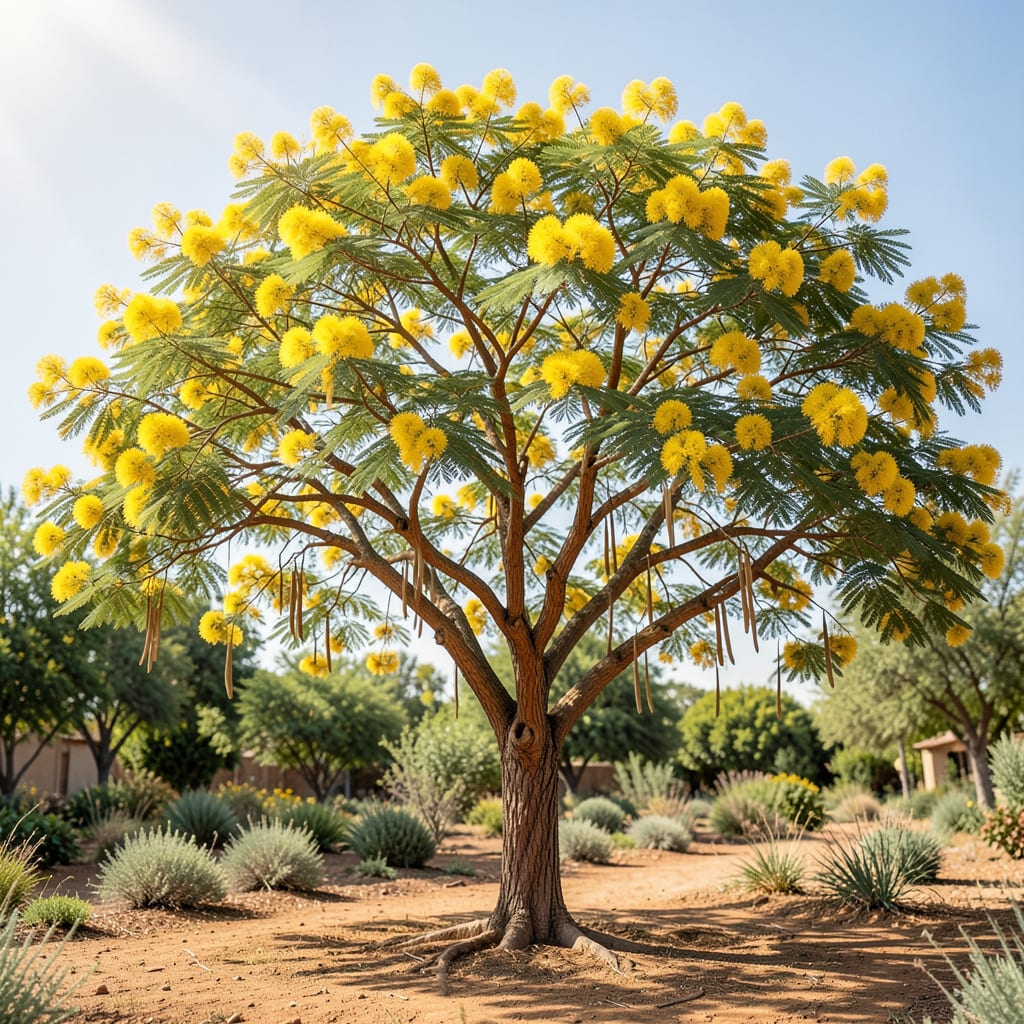
Nothing beats the sight of golden blooms lighting up a warm landscape. I planted my first acacia 5 years ago, and its fragrant yellow flowers now signal spring’s arrival before anything else.
These trees thrive in hot climates with well-draining soil and minimal fuss. Once established, they need little water and reward you with weeks of bright color and that honey-sweet scent drifting through the yard.
📚 In This Guide
This method ensures healthy establishment and abundant golden blooms in your warm climate landscape.
Choose a location with full sun exposure—acacia trees require at least 6-8 hours of direct sunlight daily to produce their signature vibrant yellow flowers. The soil should be well-draining; these trees abhor waterlogged roots, which quickly lead to decline.
Test drainage by digging a 12-inch deep hole and filling it with water. If it empties within 1 hour, the site is suitable. Avoid low-lying areas where cold air or water pools, as acacias are sensitive to both frost and excessive moisture.
Dig a hole that is twice as wide and just as deep as the root ball. This loose soil encourages rapid root expansion. Remove any rocks, weeds, or debris that could impede growth. Acacias are tolerant of poor soils but thrive in slightly acidic to neutral pH (6.0-7.5).
If your soil is heavy clay, amend it with 50% native soil and 50% coarse sand or perlite to improve drainage. Do not add fertilizer at planting time—this can burn tender roots. Instead, rely on the tree’s natural drought tolerance once established.
Gently remove the tree from its container, loosening any circling roots to prevent girdling. Place it in the hole so the root flare—the point where roots meet the trunk—sits 1-2 inches above the soil line. This prevents settling, which can suffocate the trunk.
Backfill with the amended soil, tamping lightly to eliminate air pockets. Water deeply with 5-10 gallons to settle the soil, then add more if needed. Avoid staking unless the tree is top-heavy or in a windy area; excessive support can weaken trunk development.
Water the tree 2-3 times per week for the first 3-4 months, keeping the soil consistently moist but not soggy. After establishment, reduce frequency to once every 2-3 weeks—acacias are highly drought-tolerant once mature.
Apply a 2-3 inch layer of organic mulch, such as wood chips, around the base, keeping it 6 inches away from the trunk to prevent rot. Monitor for pests like acacia psyllids, which cause curled leaves; treat with horticultural oil if detected early.
Prune in late winter or early spring before new growth begins. Remove any dead, crossing, or diseased branches first. Thin out 20-30% of the interior branches to improve air circulation and sunlight penetration, which enhances flowering.
Avoid heavy pruning after the tree has set flower buds, as this will reduce the next season’s bloom. Acacias flower on old wood, so timing is critical. Always sterilize pruning tools with rubbing alcohol between cuts to prevent disease spread.
Here’s what I’ve learned from planting acacias in various conditions that’ll help yours thrive.
Sunlight Priority: Those 6-8 hours of direct sunlight daily aren’t just a suggestion—they’re essential for vibrant yellow blooms. I’ve seen acacias struggle in partial shade, producing sparse, pale flowers. If your yard has limited sun, consider a south-facing spot or a location that gets unobstructed morning and afternoon light.
Drainage Test Insight: The 12-inch deep hole drainage test in Step 1 is non-negotiable. I once planted in soil that passed the 1 hour test but still had water pooling issues because I didn’t dig deep enough. Use a timer—if water remains after 60 minutes, choose a different site or amend more aggressively.
Root Flare Placement: In Step 3, placing the root flare 1-2 inches above the soil line prevents a common but deadly mistake. I’ve lost trees to trunk rot because the flare was buried. After planting, lay a straight edge (like a board) across the hole to check depth—adjust before backfilling if needed.
Pruning Timing: Late winter or early spring pruning in Step 5 isn’t just about aesthetics—it’s critical because acacias flower on old wood. I pruned one tree in summer after buds had formed and got zero blooms the next year. Mark your calendar for 20-30% thinning of interior branches right as winter ends.
This tree grows rapidly in warm climates, often reaching 15-20 feet in just 5-7 years. Ideal conditions (full sun, well-drained soil) speed up growth, while drought may slow it.
Expect vibrant golden-yellow blooms in late winter to early spring, usually January–March. Some varieties may produce a second, lighter flush in fall.
For colder zones, try hardy alternatives like Golden Chain Tree (Laburnum) or Mimosa (Albizia julibrissin). Both offer yellow blooms but tolerate cooler temps better.
Common causes: young age (some take 3-5 years to bloom), poor soil drainage, or insufficient sunlight. Prune lightly and ensure 6+ hours of sun daily to encourage blooms.
Yes! Once established, it’s highly drought-resistant, thriving in dry, hot conditions. However, regular watering in the first year helps roots settle.
