
Beautiful Plants For Your Interior
Beautiful Plants For Your Interior
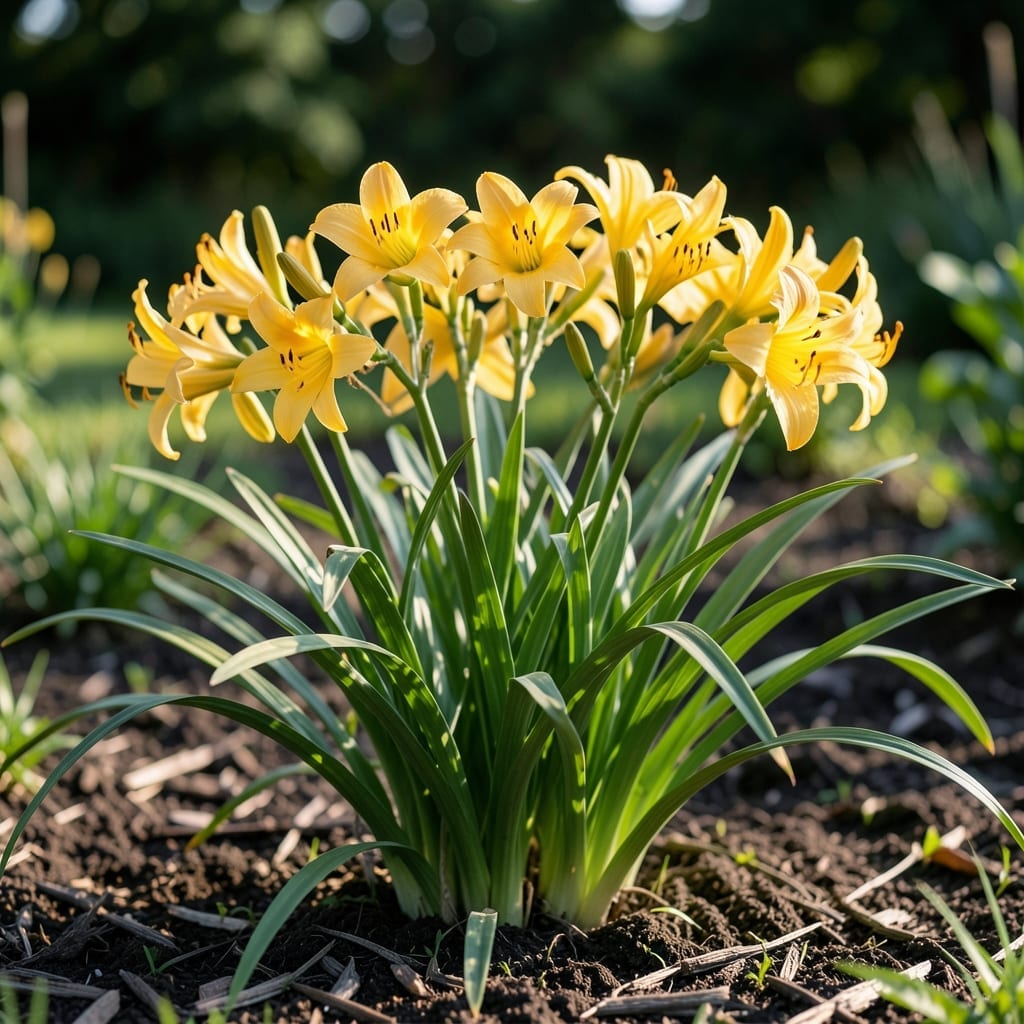
Sunny yellow blooms that keep coming back, year after year. I first planted daylilies along my fence line and was shocked when they doubled in size by the next summer.
These plants thrive in almost any soil, from clay to sandy, as long as it drains well. They laugh at drought once established and ask for nothing more than a sunny spot. My patch gets 6+ hours of sunlight daily and rewards me with nonstop flowers from June to August.
What I love most is their resilience—deer usually skip them, and they bounce back from heat waves like champions. The trumpet-shaped flowers open fresh every morning, each one lasting just a day but with dozens more ready to take its place.
The maintenance is almost insultingly simple: cut back in fall, divide every few years, and watch them multiply. Honestly, they might be the most forgiving plant in my garden.
The vibrant orange or yellow blooms of daylilies can sometimes fade or turn yellow, which may signal underlying issues. Below are the most common causes, explained with actionable insights.
Daylilies thrive on balanced nutrition. A lack of nitrogen often causes uniform yellowing of leaves, while iron or magnesium deficiency leads to interveinal chlorosis (yellowing between leaf veins). Test soil pH—daylilies prefer 6.0–7.0. Amend with compost or a slow-release fertilizer to restore vigor.
Soggy roots suffocate the plant, preventing nutrient uptake. Yellowing starts at the base and spreads upward. Ensure well-draining soil and water only when the top inch is dry. Pro tip: Raised beds can prevent waterlogging in clay-heavy soils.
Excessive heat or sudden temperature drops can stress daylilies, triggering yellow blooms or foliage. Provide afternoon shade in scorching climates and mulch to stabilize soil temperature. In cold regions, protect crowns with straw before winter.
Aphids and spider mites sap plant juices, causing stunted growth and yellowing. Treat with insecticidal soap. Fungal diseases like rust (puccinia hemerocallidis) create yellow-orange spots—remove infected leaves and improve air circulation.
If your daylilies are looking lackluster, don’t worry—these hardy plants often bounce back with a little care. Below are targeted fixes for common issues, paired with prevention tips to keep them thriving.
Fix: Check soil moisture first. If the soil is dry, water deeply at the base (avoid overhead watering). If it’s soggy, improve drainage by amending the soil with compost or moving the plant to a raised bed. Trim severely wilted foliage to redirect energy to healthy growth.
Prevention: Water consistently—about 1 inch per week—and mulch around the base to retain moisture. Pro tip 💡: Morning watering reduces evaporation and fungal risks.
Fix: Daylilies need sunlight to flower. If yours are in shade, relocate them to a spot with at least 6 hours of direct sun. Over-fertilizing (especially with high nitrogen) can also delay blooms—switch to a balanced, low-nitrogen fertilizer.
Prevention: Divide crowded clumps every 3–4 years to rejuvenate the plant. Deadhead spent blooms daily to encourage continuous flowering.
Fix: Yellow leaves often signal nutrient deficiencies. Test your soil—daylilies prefer slightly acidic to neutral pH (6.0–7.0). Add a slow-release fertilizer or organic matter like compost. If pests (e.g., aphids) are the culprit, spray with neem oil.
Prevention: Feed lightly in early spring and after the first bloom cycle. Pro tip ✨: Avoid overwatering, as root rot can also cause yellowing.
Fix: For aphids or spider mites, blast them off with a strong water spray or apply insecticidal soap. Slugs and snails? Set up beer traps or use diatomaceous earth around the base.
Prevention: Keep the garden tidy—remove debris where pests hide. Companion planting with marigolds or garlic can deter invaders naturally.
Yes! The flowers are completely edible and have a mild, slightly sweet flavor. Remove the bitter green base and sepals before using raw in salads or cooked in stir-fries.
They thrive in full sun, requiring at least 6 hours of direct sunlight daily. In hotter climates, afternoon shade helps prevent scorching while maintaining vibrant blooms.
Most varieties flower from early summer through August, with each bloom lasting just one day. Deadheading spent flowers encourages continuous blooming throughout the season.
They adapt to most soils but prefer well-draining, slightly acidic to neutral (pH 6.0-7.0). Amend heavy clay with compost to improve drainage and fertility.