
Beautiful Plants For Your Interior
Beautiful Plants For Your Interior
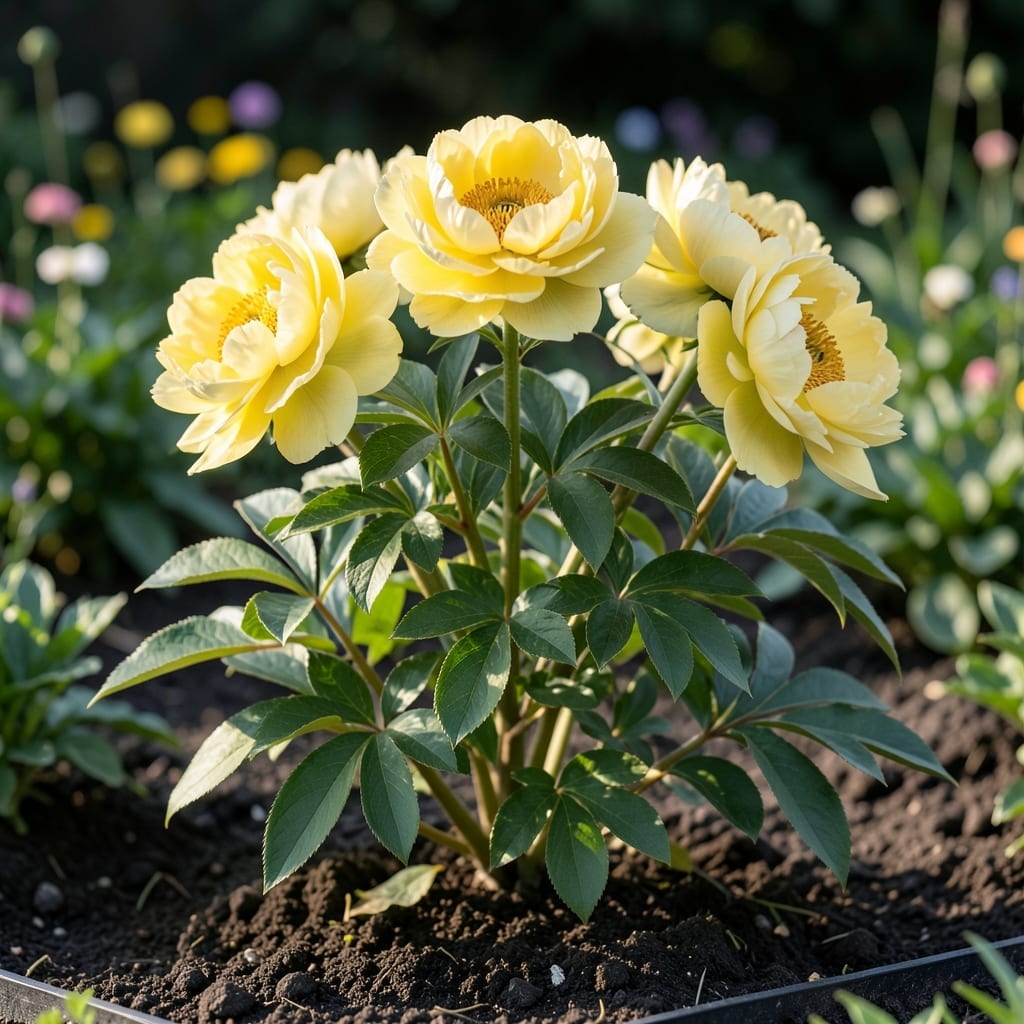
Golden blooms that stop neighbors in their tracks. I planted my first yellow crown peony three springs ago, and now it’s the centerpiece of my late-season garden.
These aren’t your grandma’s pink peonies. The rich lemon-yellow flowers glow against dark foliage, and they thrive with surprisingly little fuss. Full sun and well-draining soil are the only non-negotiables.
By year two, you’ll have dozens of dinner-plate-sized blooms that last for weeks. The fragrance is subtle but intoxicating—like citrus with a hint of spice.
Deer resistant, drought tolerant once established, and virtually disease-free. Here’s how to grow them right the first time.
The vibrant blooms of crown peonies can lose their luster when leaves turn yellow, often signaling underlying issues. Below are the primary causes, explained with actionable insights.
Yellowing often stems from a lack of nitrogen, iron, or magnesium. Nitrogen deficiency causes uniform yellowing (chlorosis) starting in older leaves, while iron deficiency leads to interveinal chlorosis—yellow leaves with green veins. Magnesium shortages create yellow patches between veins. Solution: Conduct a soil test and amend with balanced fertilizer (10-10-10) or iron chelates for acidic soils.
Extreme temperatures, poor drainage, or excessive sunlight can stress peonies. Waterlogged roots (from overwatering or clay soil) suffocate the plant, causing yellowing and wilting. Conversely, drought stress triggers leaf scorch and yellow edges. Solution: Ensure well-draining soil and mulch to retain moisture. Provide afternoon shade in hot climates.
Botrytis blight and powdery mildew are common culprits. Botrytis causes brown spots with yellow halos, while mildew coats leaves in white powder, leading to yellowing. Solution: Improve air circulation, avoid overhead watering, and apply fungicides like copper sulfate at the first sign of infection.
Aphids, scale insects, and nematodes sap nutrients from leaves, causing yellow stippling or mottling. Solution: Inspect undersides of leaves and treat with insecticidal soap or neem oil. For nematodes, solarize soil or introduce beneficial nematodes.
When your peonies show signs of trouble, quick and targeted action can restore their health and beauty. Here’s how to tackle the most common problems with yellow crown peonies.
If the leaves turn yellow, it’s often a sign of nutrient deficiency. Fix it by applying a balanced, slow-release fertilizer (10-10-10) in early spring or fall. Work it into the soil around the base of the plant, avoiding direct contact with the stems. For a natural approach, mix compost or well-rotted manure into the soil to replenish organic matter.
Prevention tip 💡: Test your soil every 2-3 years to monitor nutrient levels and adjust amendments as needed.
Aphids, thrips, or Japanese beetles can weaken your peonies. Fix it by spraying the plants with a strong jet of water to dislodge pests, or use insecticidal soap for severe cases. For Japanese beetles, handpick them in the early morning when they’re sluggish. Introduce beneficial insects like ladybugs to keep aphid populations in check.
Prevention tip 🎯: Keep the area around your peonies free of debris and weeds, which can harbor pests.
Overwatering or poor drainage can lead to root rot, causing wilting and blackened stems. Fix it by carefully digging up the plant, trimming away any rotted roots with sterilized shears, and replanting in well-draining soil. Amend heavy clay soil with sand or perlite to improve drainage.
Prevention tip 🌡️: Water deeply but infrequently, allowing the top 1-2 inches of soil to dry out between waterings.
Late frosts can damage new growth. Fix it by covering plants with frost cloth or a light blanket if a late frost is forecasted. If damage occurs, prune back the affected stems to healthy tissue to encourage new growth.
Prevention tip ✨: Plant peonies in a location that offers some protection from harsh winds and late frosts, such as near a fence or building.
They thrive with 6-8 hours of full sun. In hotter climates, afternoon shade helps prevent leaf scorch.
Early fall, 4-6 weeks before the first frost, gives roots time to establish. Spring planting works but may delay first blooms.
Common causes: planting too deep, insufficient sunlight, or immature plants. They often need 2-3 years to produce flowers.
Water deeply once a week, more during extreme heat. Avoid overhead watering to prevent fungal issues.