
Beautiful Plants For Your Interior
Beautiful Plants For Your Interior
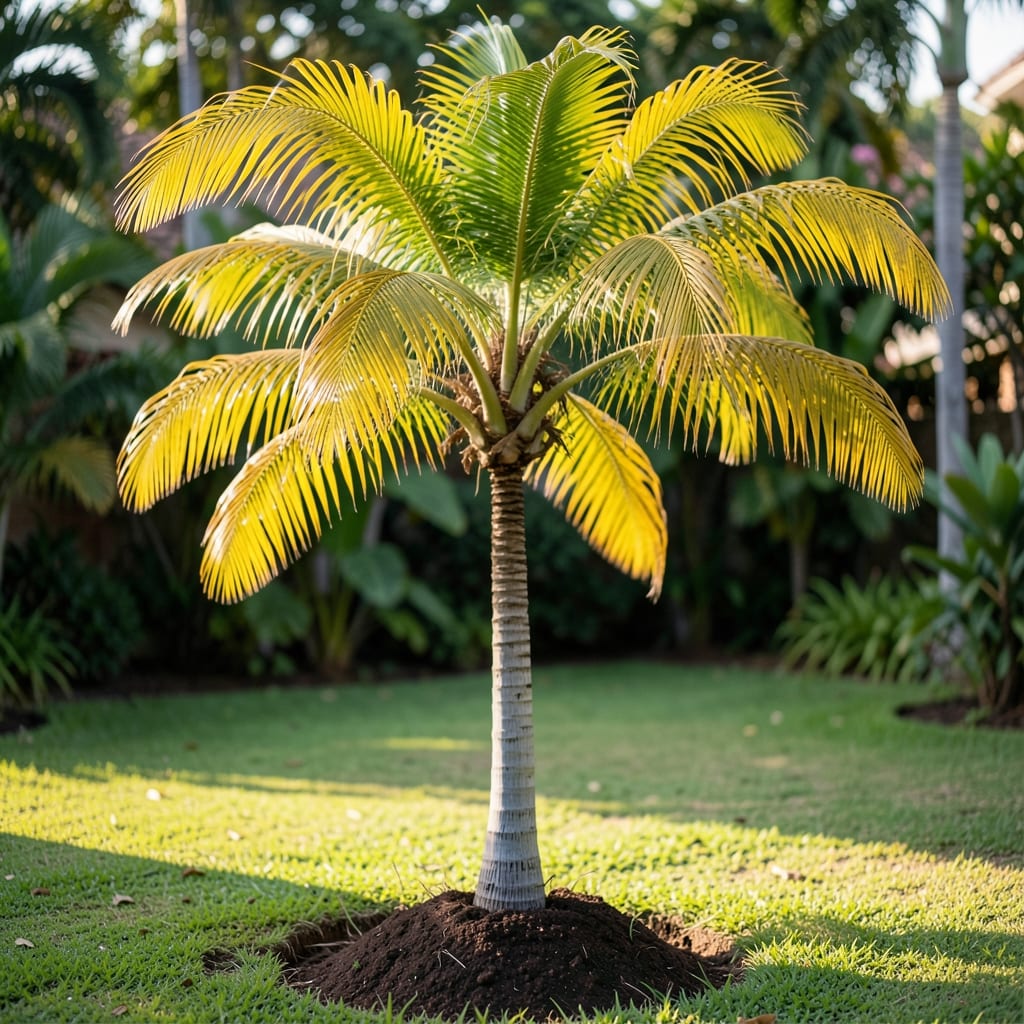
That golden glow in your tropical landscape catches everyone’s eye. 🌟 I’ve nurtured yellow coconut palms for years, and their striking fronds bring a sunlit vibe no other tree can match.
They thrive in warm climates with well-draining soil and plenty of sunlight. The key is consistent moisture without waterlogging—get that balance right, and they’ll reward you with rapid growth and vibrant color.
Unlike green varieties, these stand out in any garden or coastal setting. Their unique hue adds drama, and they’re surprisingly low-maintenance once established in the right conditions.
Perfect for zones 10-12, they turn a backyard into a private paradise. Here’s how to keep them flourishing season after season.
A yellowing coconut tree often signals underlying stress or disease. Below are the most common causes, explained with actionable insights.
Coconut palms thrive on nitrogen, potassium, magnesium, and manganese. A lack of these nutrients—especially magnesium—can cause fronds to turn yellow. Soils with high pH (alkaline) may lock out essential minerals, making them unavailable to the tree. Solution: Conduct a soil test and amend with palm-specific fertilizers rich in micronutrients.
Too much water suffocates roots, leading to poor oxygen uptake and yellowing fronds. Conversely, drought stress disrupts chlorophyll production. Coconut trees need consistent moisture but hate soggy soil. Solution: Ensure well-draining soil and water deeply 1-2 times a week, adjusting for rainfall.
Rhinoceros beetles, red palm weevils, and spider mites attack coconut trees, damaging vascular tissues. This disrupts nutrient flow, causing fronds to yellow and wilt. Solution: Inspect the tree for bore holes or webbing. Apply neem oil or insecticides labeled for palm pests at first signs of trouble.
Diseases like Ganoderma butt rot or lethal yellowing (a phytoplasma) infect coconut palms, leading to systemic yellowing. These pathogens often enter through wounds or contaminated tools. Solution: Remove infected fronds immediately, sterilize pruning tools, and apply copper-based fungicides preventatively.
Extreme temperatures, salt spray (in coastal areas), or sudden shade can shock the tree. Coconut palms prefer tropical climates (70–100°F) and full sun. Solution: Shield young trees from wind, avoid planting in frost-prone areas, and ensure they receive 6+ hours of sunlight daily.
If your coconut tree is turning yellow, act fast to restore its health. Below are targeted fixes for common causes, along with prevention tips to keep your tree thriving.
Yellowing often signals a lack of essential nutrients like nitrogen, potassium, or magnesium. Fix it by applying a balanced palm fertilizer (e.g., 8-2-12 or 12-4-12 NPK ratio) every 2–3 months. For magnesium, use Epsom salt (1 tablespoon per gallon of water) as a foliar spray. Prevention tip: 💡 Test soil annually and adjust fertilizers based on results.
Root rot from soggy soil causes yellow fronds. Fix it by letting the top 2–3 inches of soil dry out between waterings. If drainage is poor, amend the soil with sand or perlite. For severe cases, trim affected roots and repot in fresh, well-draining mix. Prevention tip: ✨ Use a moisture meter to avoid overwatering.
Spider mites, mealybugs, or scale insects sap nutrients, leading to discoloration. Fix it by spraying the tree with neem oil or insecticidal soap every 7–10 days until pests are gone. For stubborn infestations, use horticultural oil. Prevention tip: 🎯 Inspect leaves weekly and quarantine new plants to prevent spread.
Too much direct sun can scorch leaves, while too little weakens the tree. Fix it by moving potted trees to a spot with bright, indirect light (6–8 hours daily). For in-ground trees, provide shade cloth during peak afternoon hours if needed. Prevention tip: 🌡️ Gradually acclimate young trees to sunlight to avoid shock.
Lower fronds naturally yellow and die as the tree matures. Fix it by pruning dead or dying fronds with sterilized shears to redirect energy to healthy growth. Prevention tip: ⏰ Trim only 1–2 fronds at a time to avoid stressing the tree.
Not always! Lower fronds naturally yellow as they age. If only older leaves are affected, it’s likely normal. But if yellowing spreads upward, investigate nutrients, water, or pests.
Use a palm-specific fertilizer every 2-3 months during growing season. For magnesium, apply Epsom salt monthly. Always water deeply after feeding to prevent root burn.
Yes, if the trunk is still firm. Prune dead fronds, address the root cause (water, nutrients, pests), and give it 3-6 months to recover. Young trees bounce back faster than mature ones.
Salt spray from ocean air can cause leaf burn. Rinse foliage with fresh water monthly and plant in sheltered spots. Consider salt-tolerant varieties if you’re near the coast.