
Beautiful Plants For Your Interior
Beautiful Plants For Your Interior
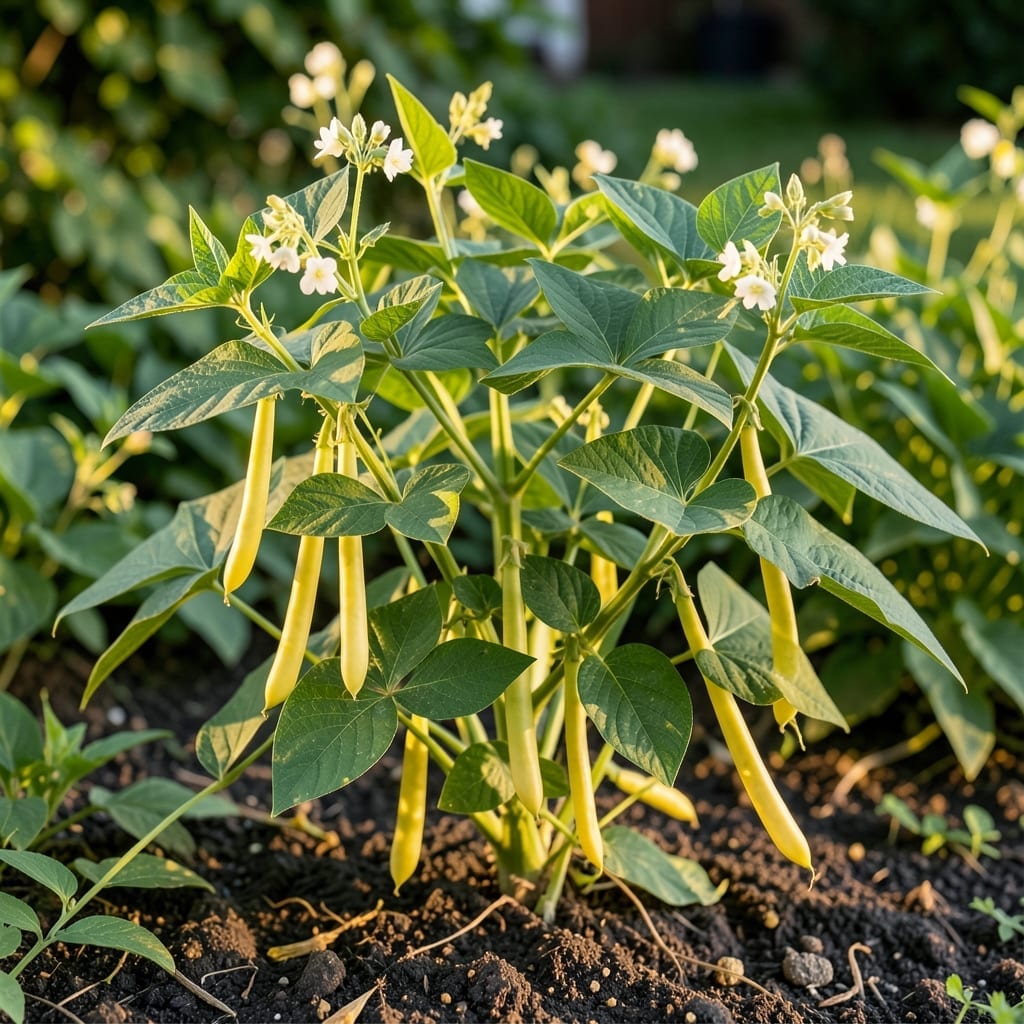
Yellow beans are commonly called wax beans, butter beans, or yellow snap beans. These names refer to their smooth, pale pods and tender texture when fresh.
I love how these names capture their unique traits—wax beans highlight the glossy, almost waxy appearance, while butter beans nod to their rich, buttery flavor when cooked. 🔥 The pale yellow hue comes from a recessive gene that removes the green chlorophyll, making them stand out in any garden or market display. They’re a favorite in many cuisines for their subtle taste and crisp bite.
💡 In This Article
The wax bean earns its name from the glossy, wax-like sheen on its smooth pods. This variety typically grows as a bush type, reaching 18-24 inches tall, and produces pods that stay tender even when mature. Its mild, slightly earthy flavor makes it perfect for raw snacks or quick sautés.
The absence of chlorophyll gives it that signature pale yellow color. ✨
Butter beans (not to be confused with lima beans) are often pole varieties, climbing 6-8 feet with vigorous vines. Their pods are slightly wider and flatter than wax beans, with a richer, almost nutty taste when cooked. In the UK, they’re sometimes called “haricot verts jaunes,” while Southern U.S. growers may refer to them as “yellow string beans.”
Regional names reveal fascinating cultural connections. In France, these are called “haricots verts jaunes,” while Italian markets label them “fagiolini gialli.” The Golden Rod variety, popular in home gardens, produces straight, 5-6 inch pods that retain their color when cooked. This color stability comes from their low acid content compared to green beans. 💫
What sets yellow beans apart nutritionally is their slightly higher carotenoid content than green beans. They contain about 370 IU of vitamin A per 100g serving, compared to 350 IU in green varieties. The yellow pigment also indicates the presence of lutein, a compound beneficial for eye health.
This makes them not just visually appealing but nutritionally distinct.
The texture difference is notable too. Yellow beans often have a slightly mealier consistency when overcooked, while maintaining more crispness than green beans at the same doneness level. This is due to their cell wall structure, which contains 10-15% less lignin than green varieties, making them naturally more tender.
They earned this name from their glossy, wax-like pod surface that reflects light. This smooth texture comes from a lack of chlorophyll, giving them that distinctive pale yellow appearance. The name has been used since the 19th century in American gardening.
Butter beans typically grow on vines up to 6-8 feet tall, while wax beans are bush types at 18-24 inches. Butter beans have wider, flatter pods with a richer flavor, while wax beans stay tender longer. Both share the same yellow color.
They cook similarly but may need 1-2 minutes less due to their lower lignin content. Yellow beans retain color better when cooked, making them ideal for dishes where presentation matters. Their flavor is milder and slightly sweeter.
Keep unwashed beans in a perforated plastic bag in your fridge’s crisper drawer. They’ll stay fresh for up to 1 week. For longer storage, blanch for 2-3 minutes then freeze in airtight containers for up to 8 months.