
Beautiful Plants For Your Interior
Beautiful Plants For Your Interior
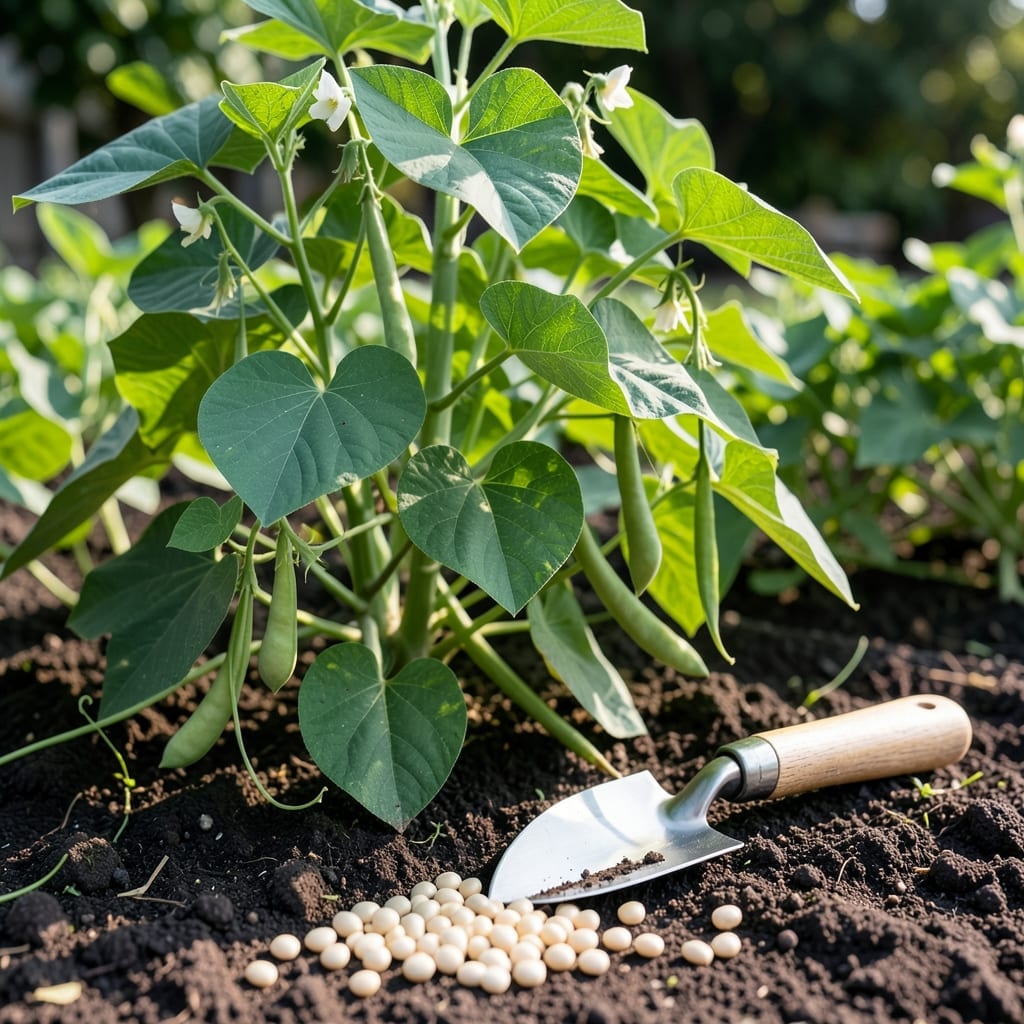
Timing is everything when growing Lima Bean 🌱 in Zone 9, where the long, warm season offers multiple planting windows for a bountiful harvest.
Miss the sweet spot, and you risk stunted growth or poor yields. The good news? Zone 9‘s climate gives you two prime opportunities each year to get it right.
I’ve learned that understanding your local conditions makes all the difference. The soil temperature and frost dates in this region create ideal moments that most gardeners overlook.
Let me show you exactly when to plant for faster, more reliable growth. These timing secrets will transform your Lima Bean harvest from mediocre to exceptional.
In USDA Zone 9, lima beans thrive with two distinct planting windows thanks to the long, warm growing season. The first window is early spring, typically February through April, when soil temps rise above 65°F. 🌱
The second opportunity arrives in late summer, from August to September, allowing for a fall harvest before the first frost. This timing avoids the intense summer heat that can stress young plants. ☀️
| Planting Window | Ideal Months | Soil Temp Requirement | Harvest Timeframe |
|---|---|---|---|
| Early Spring | Feb-April | 65°F+ | May-June |
| Late Summer | Aug-Sept | 70°F+ | Oct-Nov |
For spring planting, I always check soil temperature with a thermometer before sowing. If the soil is still cool, I use black plastic mulch to speed up warming. This simple trick can give you a 2-week head start. 🌡️
Late summer planting requires extra attention to watering. The August heat in Zone 9 can dry out soil quickly, so I water deeply twice a week until seeds germinate. Consistency is key for strong root development. 💧
Remember that bush varieties like Henderson mature faster and are ideal for spring planting. For the late summer window, I prefer pole varieties like King of the Garden for better heat tolerance.
Frost dates are rarely a concern in Zone 9, but I still watch the weather forecast. A surprise cold snap in early February or December could damage young plants. If temperatures drop below 50°F, I cover seedlings with frost cloth. 🌬️
Soil preparation is another critical factor. Lima beans prefer well-draining soil with a pH of 6.0-6.8. I amend my beds with compost and a balanced fertilizer before planting to ensure strong growth.
For both planting windows, I soak seeds overnight to speed up germination. This simple step can reduce the time to sprouting by 2-3 days. Just be sure to plant seeds 1-2 inches deep and space them 4-6 inches apart. 🌿
Lastly, don’t forget about succession planting. In Zone 9, you can plant a new batch of lima beans every 3-4 weeks during the growing season for a continuous harvest. This technique keeps my kitchen stocked with fresh beans for months.
Choosing the right lima bean variety for Zone 9 can make or break your harvest. I’ve found that bush types like Henderson and Fordhook 242 excel in early spring due to their fast maturation and compact size. 🌱
Pole varieties such as King of the Garden thrive in late summer planting. Their vertical growth handles Zone 9’s heat better and allows for easier harvesting. ☀️
| Variety Type | Best for Planting | Days to Maturity | Heat Tolerance |
|---|---|---|---|
| Bush (Henderson) | Feb-April | 60-70 days | Moderate |
| Pole (King of the Garden) | Aug-Sept | 80-90 days | High |
For bush varieties, I plant seeds 1 inch deep and space rows 18-24 inches apart. This spacing ensures good air circulation and reduces disease risk in Zone 9’s humid springs. 🌿
Pole varieties need trellises or stakes at planting time. I set up my bamboo teepees before sowing seeds so the vines have immediate support. This prevents tangling and makes harvesting easier later on.
I’ve noticed that Jackson Wonder does well in both planting windows. Its dwarf pole habit makes it versatile for small gardens. For a fall harvest, I start these seeds in early September to avoid the worst heat. 🌡️
Remember that soil prep is key for all varieties. I work in aged compost and a balanced 10-10-10 fertilizer before planting. This gives seeds the nutrient boost they need for strong early growth.