
Beautiful Plants For Your Interior
Beautiful Plants For Your Interior
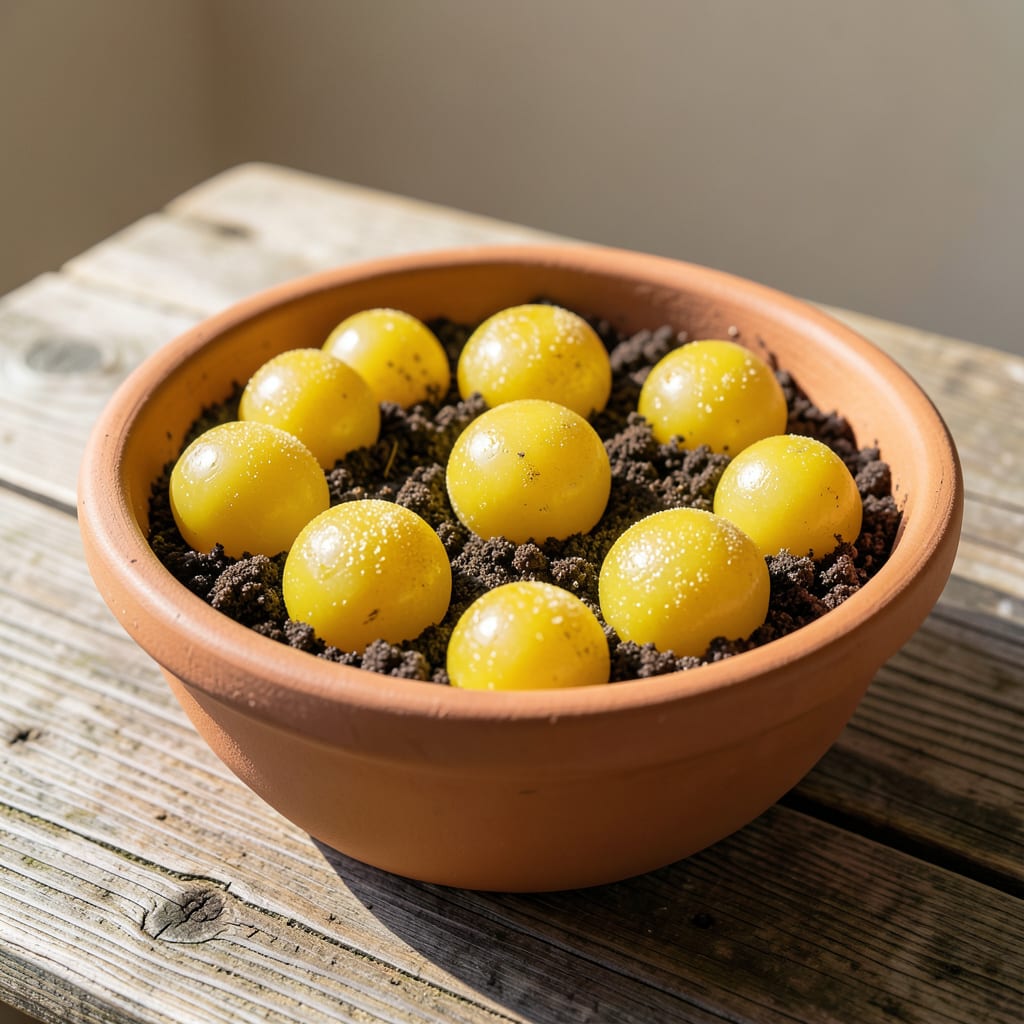
I spotted those yellow balls in my soil last spring and panicked. Turns out they’re often fungal nodules or pest eggs, but don’t worry—they’re usually harmless if you act fast.
Most gardeners mistake them for fertilizer residue, but the texture gives it away. Fungal nodules feel spongy, while pest eggs are firm. A quick soil test or close inspection with a magnifying glass clears up the mystery in minutes.
The fix is simple: remove visible balls, improve drainage, and adjust watering. For stubborn cases, a natural fungicide or beneficial nematodes does the trick without harsh chemicals.
Prevention is easier than you think. Keep soil well-aerated, avoid overwatering, and rotate crops yearly. Your plants will thank you with healthier roots and fewer surprises.
The appearance of yellow balls in soil is often a sign of underlying biological or environmental factors. Below are the most common causes, explained with scientific precision to help you diagnose the issue.
Many soil-dwelling fungi, such as Sclerotinia or Rhizoctonia species, produce hard, compact structures called sclerotia. These yellowish to tan balls are survival pods filled with stored nutrients, allowing fungi to endure harsh conditions. Sclerotia germinate when moisture and temperature are favorable, often leading to plant infections. They thrive in poorly drained, organic-rich soils and are common in gardens with decaying plant matter.
In leguminous plants (e.g., peas, beans), Rhizobia bacteria form symbiotic relationships with roots, creating nitrogen-fixing nodules. While typically brown or pink inside, some nodules may appear yellow on the surface due to oxidation or soil mineral interactions. These are beneficial but can be mistaken for fungal growths if detached from roots.
Yellowish spherical clumps may also result from fertilizer residues (e.g., sulfur-coated urea) or natural mineral aggregations like iron or sulfur deposits. These form when soil pH or moisture levels cause compounds to bind into granular shapes. Unlike fungal sclerotia, they are inert and won’t multiply.
Some insect larvae, like white grubs or beetle pupae, create cocoon-like structures that may turn yellow as they harden. These are usually hollow or segmented upon inspection and often found in loose, aerated soils.
To confirm the cause, examine the balls’ texture, location, and whether they’re attached to roots. Fungal sclerotia are typically dense and irregular, while bacterial nodules are softer and root-bound.
If you’ve spotted yellow fungal nodules in your soil, don’t panic—here’s how to tackle each cause with simple, actionable fixes.
Soggy soil is a fungal playground. Stop watering immediately and let the top 1-2 inches of soil dry out. For potted plants, ensure drainage holes are unclogged. Add perlite or coarse sand to the soil mix to boost aeration. Prevention tip: 💡 Water only when the topsoil feels dry to the touch—use your finger to test!
Old or compacted soil harbors fungi. Remove visible yellow nodules and replace the top 2-3 inches of soil with a fresh, sterile mix. For garden beds, work in compost or well-rotted manure to improve soil health. Prevention tip: ✨ Rotate crops annually to disrupt fungal cycles.
Stagnant, humid air encourages fungal growth. Space out plants to allow airflow, and trim dense foliage. Run a small fan near houseplants for a few hours daily. Outdoors, mulch lightly to reduce moisture retention. Prevention tip: 🌡️ Avoid misting plants excessively—opt for targeted watering at the base.
Fungi spread via dirty tools. Soak pruners, trowels, and pots in a 1:10 bleach-water solution for 10 minutes, then rinse. Wipe down surfaces with rubbing alcohol. Prevention tip: 🎯 Always clean tools after use, especially when moving between plants.
Bonus: For severe cases, apply a copper-based fungicide (follow label instructions). Natural options like neem oil or baking soda spray (1 tsp baking soda + 1 quart water + a drop of soap) can also help suppress fungi.
Most yellow balls are harmless fungal nodules, but some can spread disease. If they multiply or your plants show wilting, act quickly to remove them and improve soil conditions.
Fungal nodules feel spongy and irregular, while fertilizer clumps are hard and uniform. A magnifying glass helps spot the difference in texture and shape.
Yes, after removing visible growths and sterilizing the soil. Bake soil at 200°F for 30 minutes to kill fungi, or mix in fresh compost to restore balance.
Yes! Beneficial nematodes attack fungal spores and pest eggs. Apply them to moist soil in the evening for best results, following package instructions.
