
Beautiful Plants For Your Interior
Beautiful Plants For Your Interior
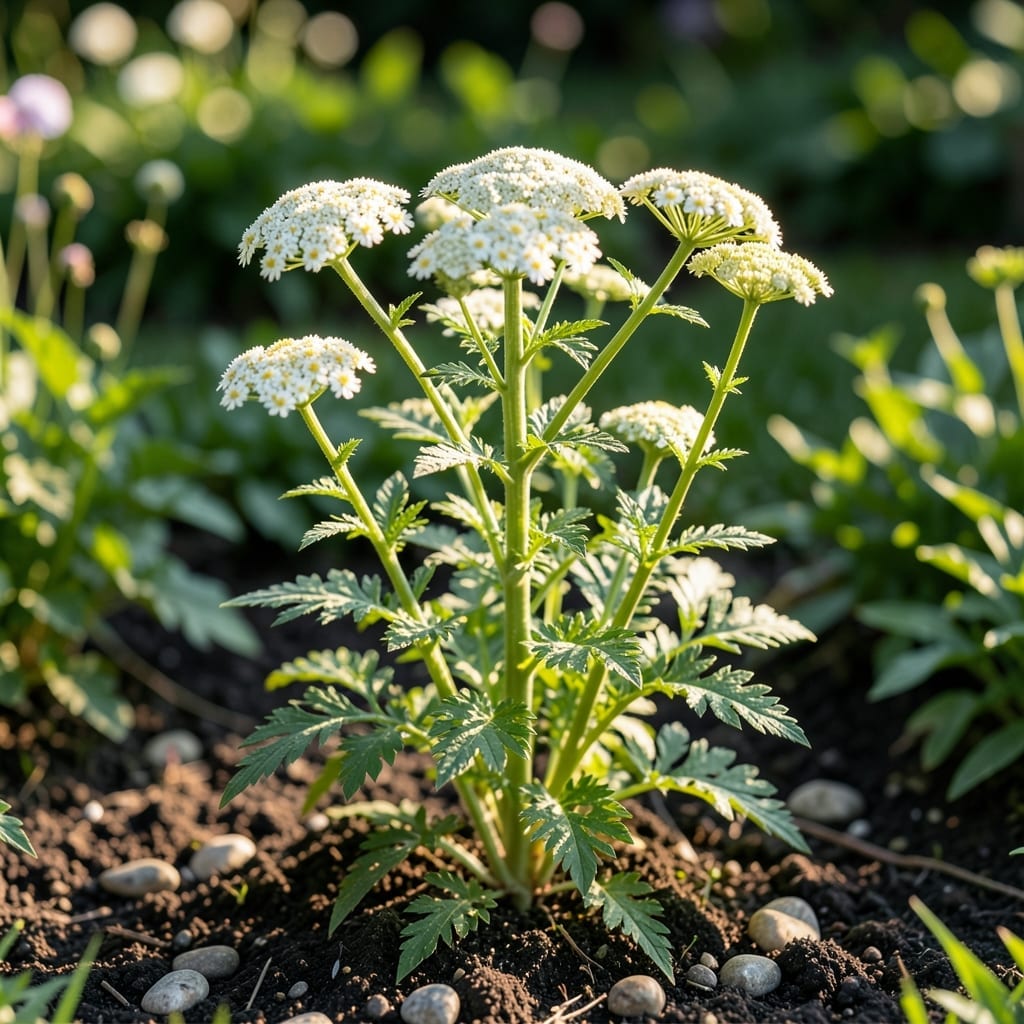
Yarrow laughs at winter. I’ve watched this tough perennial shrug off sub-zero temperatures while everything else in my garden wilts or dies back completely.
It doesn’t just survive—it thrives. The plant enters dormancy, but its deep roots keep it alive beneath the soil, ready to bounce back with vibrant green growth when spring arrives.
No fancy protection needed. Leave the dead foliage in place for insulation, and cut it back in early spring. That’s it. The plant handles the rest.
Perfect for gardeners in cold climates who want a low-maintenance star that returns year after year without fuss.
Yarrow (Achillea millefolium) is a hardy perennial, but winter can still test its resilience. Understanding the underlying causes of stress or dieback helps gardeners take proactive steps to protect their plants. Below are the primary factors at play.
Rapid swings between freezing and thawing are a major culprit. Yarrow’s roots can heave out of the soil when frozen ground thaws and refreezes, exposing them to drying winds and cold. This freeze-thaw cycle disrupts root stability and moisture uptake, leading to stress or winter burn.
Yarrow dislikes soggy roots, and winter’s combination of rain, snowmelt, and compacted soil can create waterlogged conditions. Poor drainage suffocates roots, increasing susceptibility to root rot (e.g., Phytophthora species). Mulching with coarse materials like straw can mitigate this by improving soil aeration.
Cold, dry winds accelerate moisture loss from yarrow’s foliage, a process called winter desiccation. Evergreen or semi-evergreen varieties are particularly vulnerable. Without a protective snow cover or mulch layer, leaves and stems can dry out, turning brown and brittle.
While yarrow is cold-hardy (typically USDA zones 3–9), young plants or late-fall divisions may lack the established root systems to endure extreme cold. Additionally, varieties bred for ornamental traits (e.g., vibrant flowers) may prioritize aesthetics over cold tolerance. Selecting native or regionally adapted cultivars can reduce this risk.
Yarrow can struggle in winter due to cold stress, waterlogging, or poor preparation. Here’s how to address each issue and keep your plants thriving.
If yarrow leaves turn brown or mushy after a freeze, prune the damaged foliage in early spring to encourage new growth. Prevent it: Apply a 2-3 inch layer of mulch (straw or shredded leaves) around the base in late fall to insulate roots.
Yellowing leaves or wilting in damp conditions signal overwatering. Improve drainage by amending heavy soil with sand or gravel. Prevent it: Plant yarrow in raised beds or sloped areas, and avoid winter watering unless the soil is bone-dry.
Young plants may be pushed out of the soil by freeze-thaw cycles. Gently press them back and cover the base with extra mulch. Prevent it: Plant yarrow in spring or early fall to give roots time to establish before winter.
Exposed yarrow can suffer windburn or desiccation. Wrap plants in burlap or use a frost cloth if extreme cold is forecast. Prevent it: Choose hardy varieties like Achillea millefolium ‘Paprika’ for colder zones.
Pro tip 💡: Avoid fertilizing yarrow in late summer—it encourages tender growth that’s vulnerable to frost. Instead, feed in early spring for robust winter resilience.
Leave the dead foliage until early spring. It provides natural insulation for the roots during cold months. Cutting it back too early removes this protective layer.
Apply a 2-3 inch layer of straw or shredded leaves in late fall. This protects roots from freeze-thaw cycles and retains moisture without waterlogging.
Yes, but it benefits from extra mulch in exposed areas. Snow acts as natural insulation, so in snow-free regions, add burlap or frost cloth for protection.
It’s likely dormant. Yarrow dies back to the ground in cold months but regrows from roots in spring. Wait to prune until you see new growth.