
Beautiful Plants For Your Interior
Beautiful Plants For Your Interior
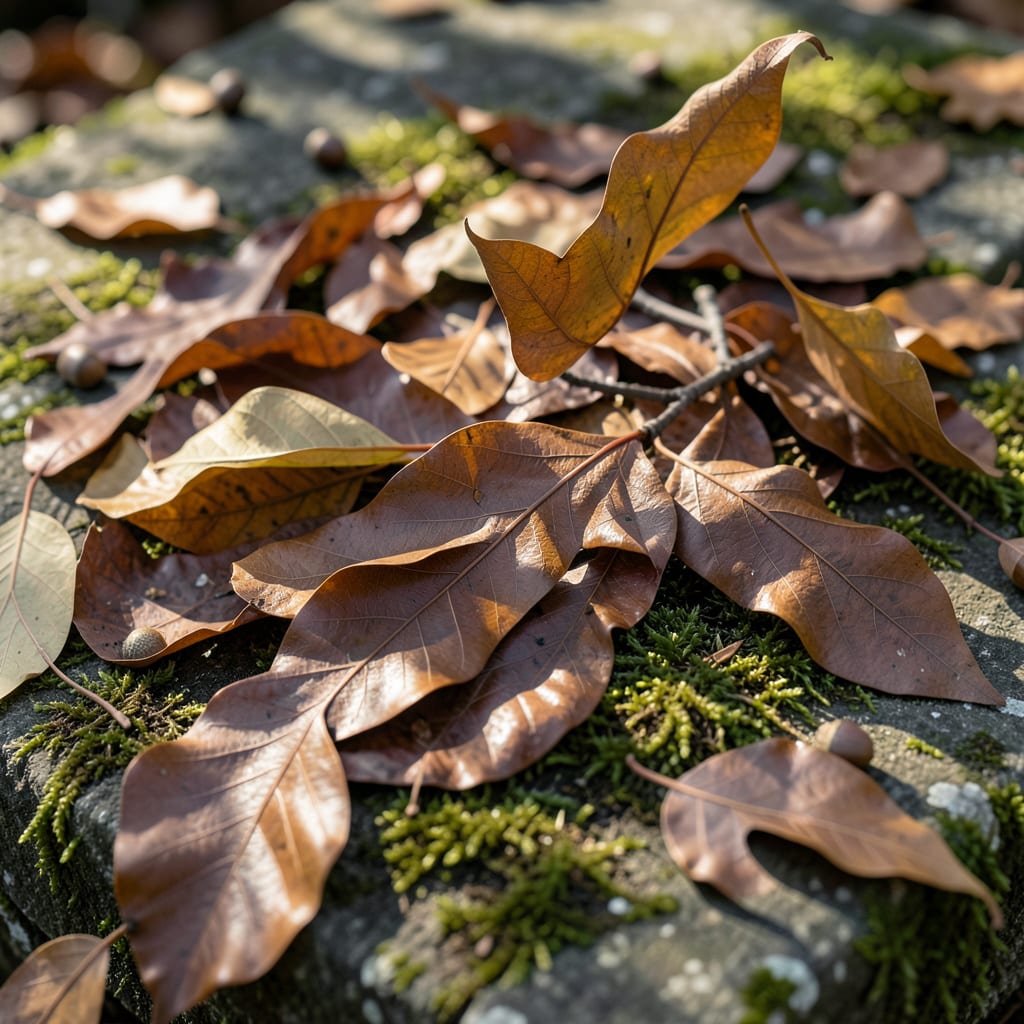
Brown magnolia leaves dropping like confetti across your lawn is a gut-punch moment. I’ve been there—staring at my once-lush tree wondering what went wrong in just a few weeks.
Turns out it’s rarely one dramatic cause. Usually it’s stress piling up: drought, poor drainage, or even that late frost we got in April. The leaves don’t just die—they send an SOS first.
Here’s the thing—most of these issues are fixable with simple adjustments. Better watering, a soil test, or just more patience. Your tree isn’t giving up, and neither should you.
Within 2-3 weeks of the right care, you’ll see fresh green growth pushing through. That’s your magnolia’s way of saying thanks.
Magnolia leaves turning brown and falling off can signal underlying stress or disease. Here are the most common causes, explained with actionable insights:
Magnolias thrive in stable climates. Sudden cold snaps or heatwaves disrupt their water transport system, leading to leaf scorch (brown, crisp edges). If temperatures drop below 15°F (-9°C) or spike above 90°F (32°C), the tree may shed leaves to conserve energy.
Overwatering suffocates roots, preventing nutrient uptake and causing root rot—symptoms include yellowing leaves that turn brown. Underwatering triggers drought stress, making leaves crisp and brittle. Magnolias prefer 1–1.5 inches of water weekly, with well-draining soil.
Pathogens like Phytophthora or Anthracnose thrive in wet conditions, causing brown spots or blight. Look for irregular lesions or blackened veins. Prune infected branches and improve air circulation to combat spread.
Magnolias need slightly acidic soil (pH 5.0–6.5). Alkaline or compacted soil restricts nutrient absorption (e.g., magnesium or iron), leading to interveinal chlorosis (brown leaves with green veins). Test soil and amend with sulfur or compost as needed.
Scale insects, aphids, or spider mites sap leaf juices, causing brown stippling or premature drop. Check leaf undersides for pests or sticky residue (honeydew). Treat with neem oil or insecticidal soap.
If your magnolia’s leaves are turning brown and dropping, act fast to restore its health. Below are targeted fixes for common causes, along with prevention tips to keep your tree thriving.
Give your magnolia a deep soak 1–2 times per week, especially during dry spells. Water slowly at the base to encourage deep root growth. Prevention tip: 💡 Apply a 2–3 inch layer of mulch to retain moisture and reduce evaporation.
Check soil moisture before watering—stick your finger 2 inches deep; if it’s damp, hold off. For soggy soil, amend with compost or sand to improve drainage. Prevention tip: 🌱 Plant magnolias in slightly elevated beds if your yard has heavy clay soil.
Prune infected leaves and branches immediately to stop the spread. Apply a copper-based fungicide as directed. Prevention tip: ✨ Space plants properly and thin out dense foliage to boost airflow, reducing humidity around leaves.
Blast aphids or scale off with a strong stream of water. For stubborn pests, use neem oil or insecticidal soap. Prevention tip: 🎯 Inspect leaves regularly, especially undersides, and encourage beneficial insects like ladybugs.
Shield leaves from harsh afternoon sun with shade cloth if needed. In winter, protect roots with extra mulch. Prevention tip: 🌡️ Choose magnolia varieties suited to your climate to minimize stress.
With consistent care and these fixes, your magnolia can bounce back to its lush, vibrant self!
Provide 1–1.5 inches weekly, adjusting for weather. Deep watering 1–2 times per week is better than frequent shallow watering. Always check soil moisture first.
No, once leaves turn brown they won’t recover. Focus on improving care to support new, healthy growth. Remove damaged leaves to redirect the tree’s energy.
Use well-draining, slightly acidic soil (pH 5.0–6.5). Amend with compost for nutrients. Avoid heavy clay, which can cause root rot.
Check for sticky residue or tiny insects for pests. Fungal diseases often show as brown spots or irregular lesions. Treat pests with neem oil.
