
Beautiful Plants For Your Interior
Beautiful Plants For Your Interior
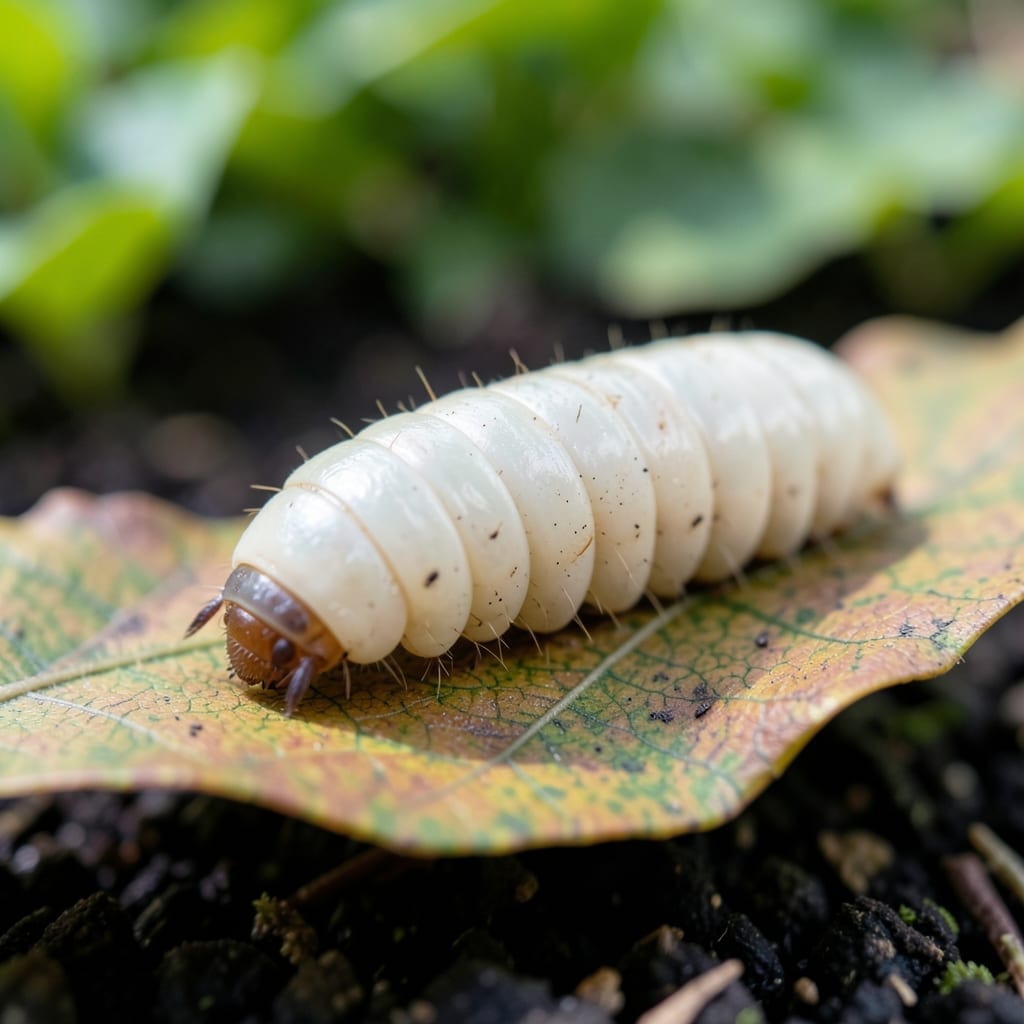
White grubs in your soil aren’t just gross—they’re eating your plants from the roots up. I’ve pulled up wilted perennials to find these cream-colored larvae curled around the roots, and it’s never a good sign.
These pests thrive in moist, organic-rich soil, often where grass or garden beds meet. The damage shows up as yellowing patches or stunted growth. Left unchecked, they can kill young plants within 2-3 weeks.
Identification is the first step to control. Look for C-shaped, off-white larvae with brown heads. They’re about 1 inch long and feel soft to the touch.
Once spotted, targeted solutions can save your garden. The key is acting fast before they multiply.
Understanding why wood grubs infest your trees or lumber is the first step in prevention. These larvae, often from beetles like the longhorned beetle or bark beetle, thrive under specific conditions. Below are the primary causes of wood grub infestations, explained with actionable insights.
Grubs target trees that are already weakened by drought, disease, or poor soil conditions. Healthy trees produce natural defenses (like resin in pines), but stressed trees lack these protections. Action: Maintain tree health with proper watering, mulching, and annual soil testing to detect nutrient deficiencies early.
Firewood, lumber, or fallen logs left untreated or stored in damp, shaded areas become breeding grounds. Female beetles lay eggs in cracks or bark crevices, and the larvae bore inward. Action: Store firewood off the ground, in dry, sunny locations, and use kiln-drying or insecticidal treatments for vulnerable wood.
Warm, humid climates accelerate beetle life cycles, increasing grub activity. Regions with mild winters also allow larvae to survive year-round. Action: Monitor local pest alerts and apply preventive nematodes or beneficial insects (e.g., parasitic wasps) during peak beetle flight seasons, typically late spring to early summer.
Compacted or overly moist soil reduces a tree’s ability to absorb nutrients, making it susceptible. Poor drainage also attracts egg-laying beetles. Action: Aerate soil annually and amend with organic matter to improve structure. Avoid overwatering, and ensure proper drainage around tree bases.
Dealing with wood grubs can feel overwhelming, but these targeted solutions will help you reclaim your garden. Below are practical fixes for common causes, along with prevention tips to keep your soil and plants healthy.
If grubs are thriving in old wood piles, mulch, or decomposing stumps, remove the infested material immediately. Burn or dispose of it far from your garden to prevent reinfestation. Replace it with fresh, untreated mulch or clean soil. For added protection, solarize the soil by covering it with clear plastic for 4–6 weeks in hot sunlight to kill larvae.
Grubs love weak, nutrient-poor soil. Apply beneficial nematodes (like Heterorhabditis bacteriophora) to the soil—they naturally parasitize and kill grub larvae without harming plants or pets. Water the soil before and after application to help nematodes move through the ground. Improve soil health by mixing in compost or organic matter to deter future infestations.
Excess moisture attracts grubs. Reduce watering frequency and ensure your garden has proper drainage. Use a moisture meter to check soil levels—water only when the top 1–2 inches are dry. Fix low spots in your yard where water pools, as these are prime grub habitats.
They’re cream-colored, C-shaped larvae with brown heads, about 1 inch long. You’ll often find them curled near roots in moist soil.
Look for wilting leaves, yellowing patches, or holes in the bark. Sawdust-like frass near the base is another clear sign.
Yes, but opt for targeted products like imidacloprid and follow label instructions carefully. Always wear gloves and keep pets/kids away.
No, they target both dead and live trees, especially stressed ones. Healthy trees can resist, but weak ones become easy prey.