
Beautiful Plants For Your Interior
Beautiful Plants For Your Interior
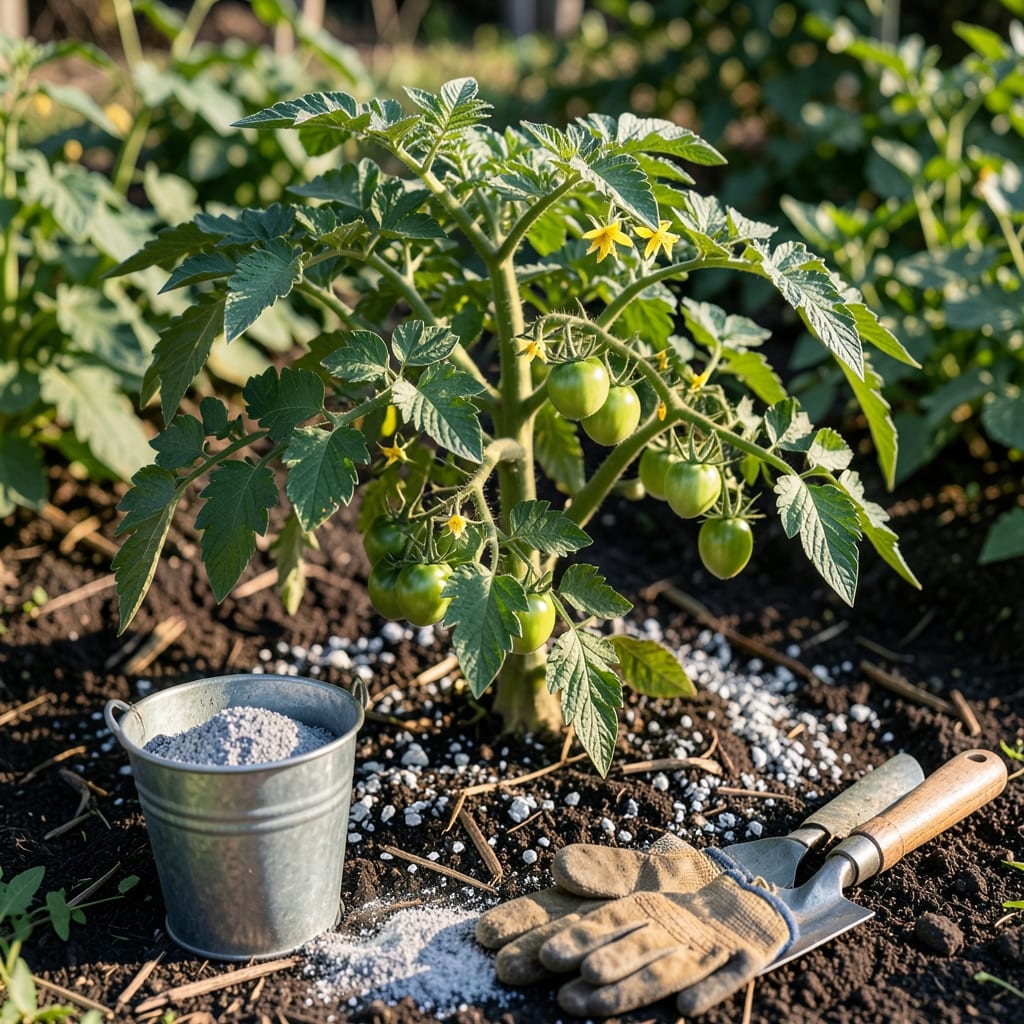
Wood ash adds potassium and raises soil pH, benefiting acid-loving plants but harming others. Use sparingly and avoid areas needing acidic soil or nitrogen-rich fertilizer.
I see wood ash as a natural soil amendment with a powerful kick of potassium, but it’s not one-size-fits-all. 🔥 Its alkaline nature can neutralize acidic soils too quickly, which is why I test my garden’s pH before applying it. Plants like blueberries and azaleas thrive in acidity and may suffer, while tomatoes and squash often respond well to the nutrient boost.
💡 In This Article
Wood ash transforms soil chemistry through its alkaline nature. When applied, calcium carbonate in ash reacts with water to form hydroxide ions, which neutralize acidic compounds. This process raises soil pH, typically by 0.5-1.0 units with each application, making it ideal for gardens with pH below 6.0. 🔥
The ash also releases soluble potassium, an essential macronutrient that supports plant enzyme activation and water regulation. A single cord of hardwood ash can contain up to 20-30 lbs of potassium oxide, comparable to commercial potash fertilizers. This makes it particularly valuable for potassium-loving crops like tomatoes and peppers.
However, the calcium content in ash can create imbalances. While beneficial for root development, excessive calcium may interfere with magnesium and phosphorus uptake. I’ve noticed this most in sandy soils where nutrients leach quickly, requiring more frequent monitoring of soil tests. ✨
What many gardeners overlook is ash’s trace mineral contribution. It provides magnesium, phosphorus, and micronutrients like boron and zinc. These secondary benefits become noticeable over multiple growing seasons, with improved fruit quality and disease resistance in treated beds.
The particle size matters too—fine ash dissolves faster than coarse, releasing nutrients within 2-4 weeks of application. This quick availability means timing is crucial, as apply too late in the season may not benefit current crops but can prepare soil for next year’s planting. ⚡
Apply no more than 1/4 inch layer per year. For vegetable gardens, 1 cup per plant is a safe starting point. Always test soil pH first and avoid over-application.
Never use ash around acid-loving plants like blueberries, azaleas, or potatoes. These require lower pH soil and may suffer nutrient deficiencies from the alkalinity.
Late winter or early spring is ideal, 4-6 weeks before planting. This allows time for pH adjustment before growing season begins. Avoid applying during active growth.
Only use ash from untreated, natural wood. Never use ash from painted, stained, or pressure-treated wood, as these may contain harmful chemicals. Hardwood ash is best.