
Beautiful Plants For Your Interior
Beautiful Plants For Your Interior
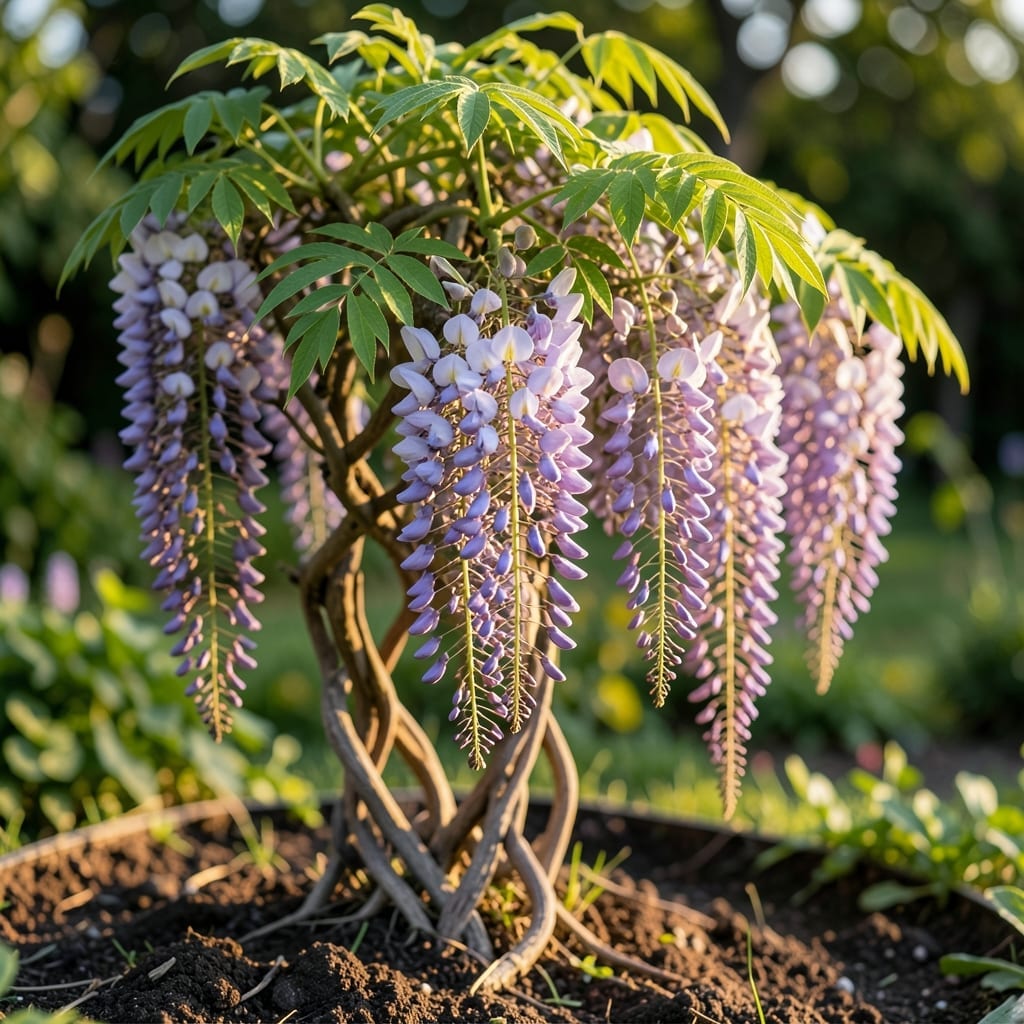
Nothing beats the sight of a Wisteria in full bloom, its cascading flowers turning any garden into a spectacle. Yet, many gardeners wait year after year without seeing those stunning blossoms.
If your Wisteria isn’t flowering as you hoped, the issue might be simpler than you think. Often, it’s about timing and technique—especially when it comes to pruning.
I’ve learned that this vine thrives with the right care, particularly in zones 5-9. The key lies in understanding its growth cycle and giving it the attention it needs at the right moments.
Discover how proper pruning and seasonal care can transform your Wisteria into the showstopper it was meant to be. Let’s get started.
I’ve found that proper pruning timing is the secret to those breathtaking wisteria blooms. Many gardeners don’t realize that summer pruning and winter pruning serve different purposes for flower production.
Summer pruning, done in July or August, helps control the plant’s vigorous growth. This allows more energy to go toward flower bud formation rather than excessive vine growth.
Winter pruning, done in late winter, focuses on refining the plant’s structure. I always
Remember that wisteria blooms on old wood, so avoid cutting back too severely. The flower buds for next year form on the current year’s growth, which is why summer pruning is so crucial.
I’ve noticed that wisteria pruned in early spring often produces fewer blooms. That’s because you might accidentally remove the flower buds that formed the previous summer.
For young wisteria plants, I recommend light pruning for the first 2-3 years. This helps establish a strong framework before focusing on flower production.
Always use sharp pruning tools to make clean cuts. This reduces stress on the plant and helps prevent disease. I keep my bypass pruners handy for this task.
After pruning, I like to step back and admire the plant’s structure. Proper pruning not only encourages more blooms but also creates a more manageable and attractive plant.
With consistent seasonal pruning, your wisteria will reward you with abundant, fragrant blooms each spring ✂️
Even with the best intentions, it’s easy to make mistakes that delay or prevent your wisteria from blooming. I’ve seen gardeners over-fertilize, thinking it will speed up flowering, only to end up with lush foliage and no flowers.
Another common issue is incorrect pruning timing. Pruning at the wrong time can remove the very buds that would have become next year’s blooms. Lack of sunlight and poor soil conditions also play a big role in inhibiting flower production.
⚠️ Avoid These Blooming Blunders
Over-fertilizing with nitrogen promotes leafy growth but reduces blooms. Stick to high-phosphorus feed.
Pruning in late fall removes next year’s flower buds. Always prune after blooming.
Shade-heavy spots starve wisteria of the 6+ hours of sun it needs to flower.
I’ve found that poor soil drainage can also stunt blooming. Wisteria prefers well-draining soil with a slightly acidic pH. If your soil is too dense or waterlogged, the roots struggle, and the plant focuses on survival rather than flowering.
Another mistake is planting in the wrong location. Wisteria needs full sun to produce its stunning blooms. Even a few hours of shade can make a difference in flower production.
Finally, impatience is a common issue. Young wisteria plants, especially those grown from seed, can take 5-7 years to bloom. If you’ve recently planted yours, give it time and proper care. ☀️
By avoiding these mistakes and providing the right conditions, you’ll be well on your way to enjoying those spectacular wisteria blooms in your garden. 🌸