
Beautiful Plants For Your Interior
Beautiful Plants For Your Interior
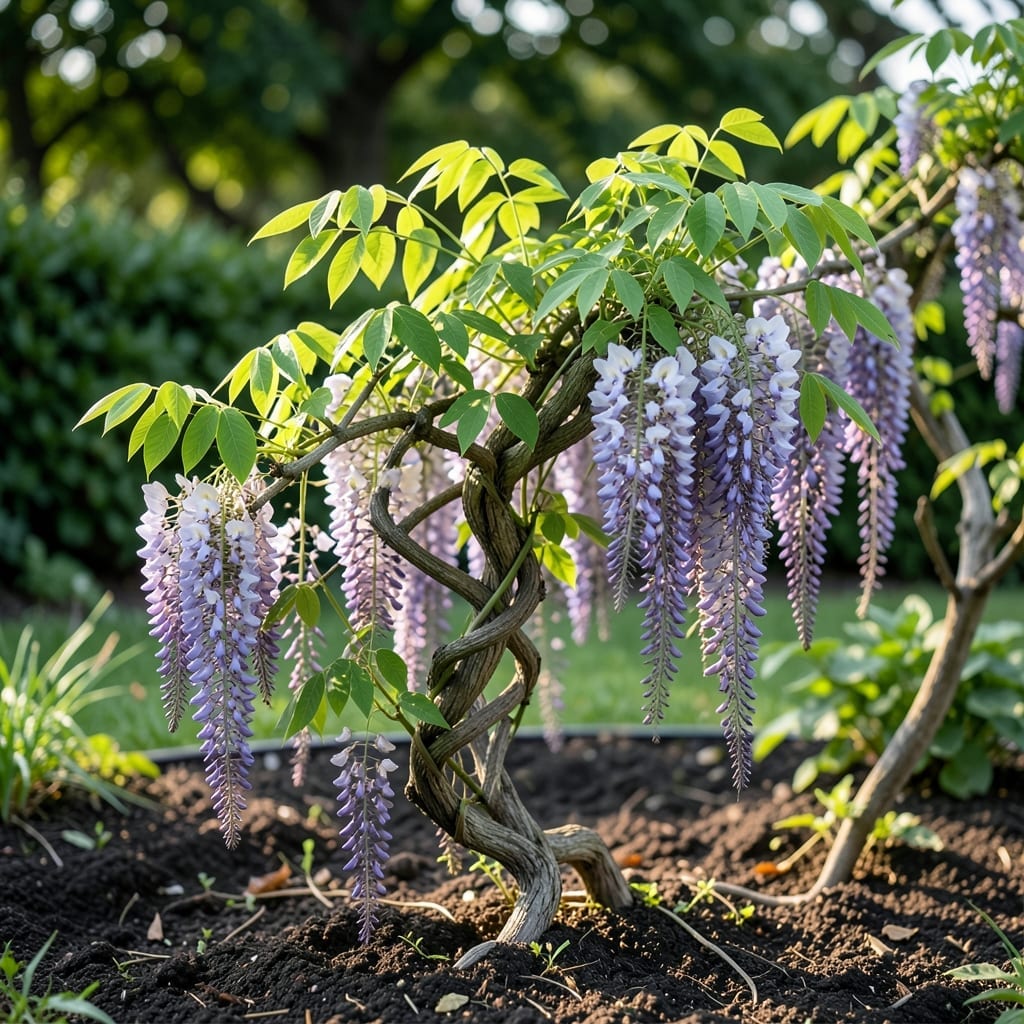
Wisteria’s cascading blooms are a garden’s crown jewel, but their fleeting beauty leaves many growers wondering when exactly their 🌸 Wisteria will burst into color.
I remember the first time I planted one, eagerly waiting for those iconic purple clusters to appear. The anticipation is real, and the timing can feel mysterious.
What most don’t realize is that bloom time depends on several factors, from your climate zone to how you care for the vine. In zones 5-9, you can typically expect those stunning flowers between April and June.
Discover what influences your Wisteria’s flowering schedule and how to encourage the most spectacular display in your own garden.
I love watching wisteria vines transform gardens with their dramatic flower clusters. The timing of these blooms varies by wisteria variety, with most showing off their colors in spring. Chinese wisteria typically blooms first, often in early to mid-spring.☀️
Japanese wisteria follows shortly after, with its fragrant flowers appearing in mid to late spring. American wisteria, being more cold-hardy, tends to bloom a bit later, usually in late spring. Each variety brings its own charm to the garden.🌿
| Variety | Bloom Time | Duration | USDA Zones |
|---|---|---|---|
| Chinese Wisteria | Early to Mid-Spring | 2-4 weeks | 5-8 |
| Japanese Wisteria | Mid to Late Spring | 2-4 weeks | 5-9 |
| American Wisteria | Late Spring | 2-3 weeks | 5-9 |
Regional climate conditions play a big role in wisteria flower time. In warmer zones like USDA 8-9, blooms may appear as early as February or March. Cooler areas in zones 5-6 often see flowers in April or May.🌡️
The flowering duration for most wisteria varieties is about 2-4 weeks. However, the exact length depends on weather patterns and vine health. A well-cared-for wisteria can produce multiple flushes of blooms in a season.
Many gardeners are surprised to learn that young wisteria vines may take 3-5 years to produce their first flowers. This is because the plant focuses on establishing roots and vine growth before blooming. Patience is key!🪴
Once mature, wisteria vines can produce hundreds of flower clusters each spring. The Chinese wisteria is particularly known for its long, pendulous racemes that can reach up to 3 feet in length. These create a stunning visual display.
For the best blooming results, I recommend planting wisteria in a location with full sun exposure and well-draining soil. These conditions help ensure that your vine reaches its full flowering potential each year.
If you’re in a region with mild winters, your wisteria might start blooming earlier than in areas with harsh winters. The vine needs a certain number of chill hours to set flower buds properly. This is why some varieties struggle in very warm climates.
Remember that pruning practices can also affect flower time. Pruning at the wrong time might remove flower buds that have already formed. I always prune my wisteria immediately after blooming to encourage next year’s flowers.✂️
I’ve found that bloom timing for wisteria isn’t set in stone—it shifts with care and conditions. Even the same variety can flower weeks apart in different gardens. Sunlight is the biggest game-changer. 🌿
Pruning timing also plays a role. I always prune after flowering to avoid cutting off next year’s buds. Over-fertilizing, especially with nitrogen, can delay blooms too.
In my experience, winter chill hours are critical. Wisteria needs a cold dormancy period to set buds. Without it, blooms may be sparse or late. ☀️
Young vines often test patience. I remind myself that Chinese wisteria may take 3-5 years to bloom, while American types can flower sooner.
Soil conditions matter too. I ensure well-draining soil to prevent root rot, which stresses the plant and delays flowering. A balanced pH helps nutrient uptake. 🪴
Finally, water stress can disrupt blooming. I water deeply but infrequently, letting the soil dry slightly between waterings. This mimics natural conditions and encourages flowering.