
Beautiful Plants For Your Interior
Beautiful Plants For Your Interior
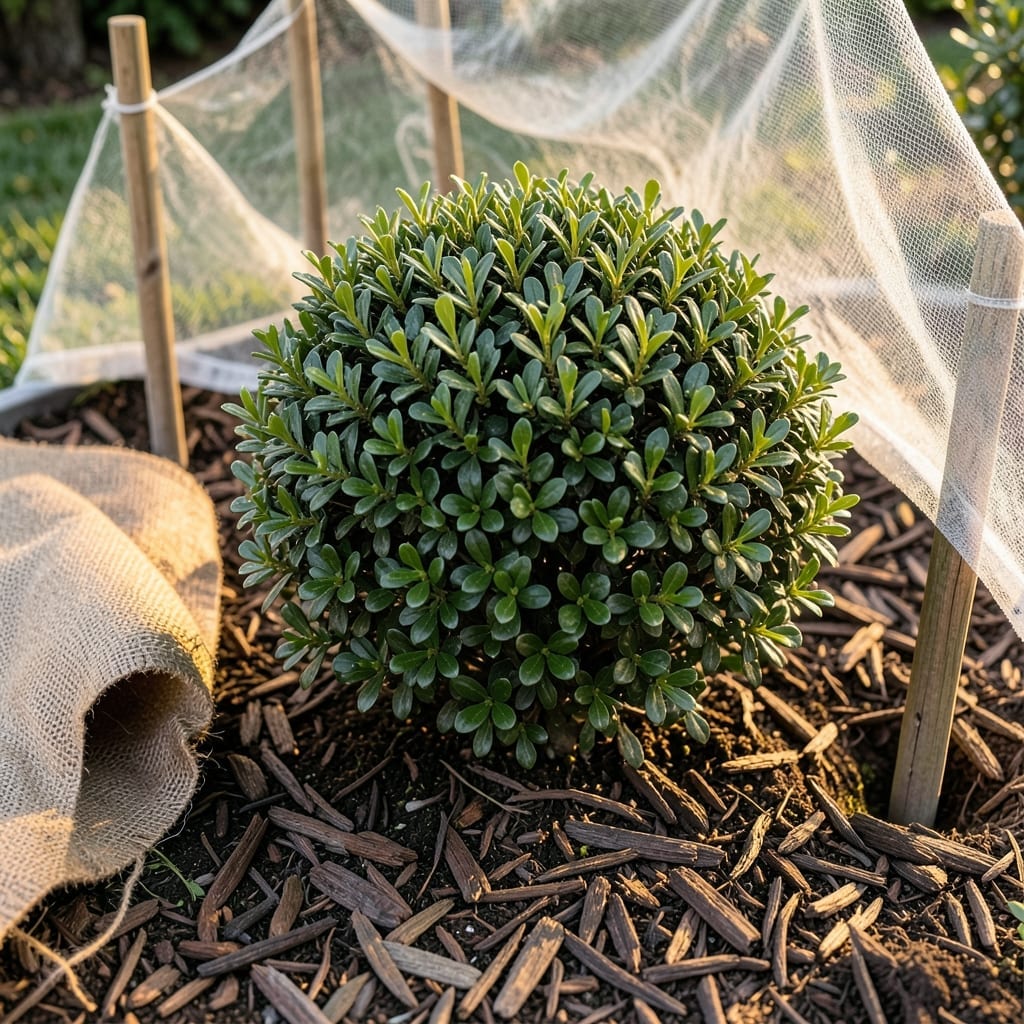
As winter approaches, your garden faces its toughest test yet. Freezing temperatures and harsh winds can wipe out even the hardiest General Winter Plants if you’re not prepared.
I’ve seen too many gardeners lose their beloved greenery to sudden frosts. The good news? With the right strategies, you can shield your plants and ensure they thrive when spring returns.
From mulching techniques to the best protective covers, I’ll share the most effective ways to keep your garden safe. These aren’t just theories – they’re proven methods that work.
Discover how to winterize your garden the right way, so you can enjoy a vibrant, healthy space next season. Let’s get started.

As winter nears, I always remind myself that preparation is key to keeping plants alive through the cold. Frost damage can be devastating, but with the right strategies, you can minimize losses and protect your investment. 🌱
I’ve found that mulching is one of the simplest yet most effective ways to insulate plant roots from freezing temperatures. A 2-4 inch layer of organic mulch like straw or wood chips works wonders for most perennials. 🌿
| Method | Best For | Key Benefit |
|---|---|---|
| Mulching | Perennials, Shrubs | Root insulation |
| Frost Blankets | Tender Plants | Prevents frost damage |
| Watering | All Plants | Hydration before freeze |
| Windbreaks | Delicate Plants | Reduces wind stress |
For tender plants like roses or young trees, I recommend using frost blankets or burlap wraps. These materials trap heat from the soil and create a microclimate that can be 5-10°F warmer than the surrounding air. ✂️
I’ve learned that proper watering is crucial before the ground freezes. Plants need adequate moisture to survive winter, but be careful not to overwater as this can lead to root rot in cold, soggy soil.
Windbreaks are another game-changer in my garden. I use burlap screens or wooden fences to protect vulnerable plants from harsh winter winds that can desiccate leaves and stems.
For potted plants, I always move them to a sheltered location like a garage or porch. If that’s not possible, I group containers together and wrap them in bubble wrap or insulating foam for extra protection.
I’ve found that anti-desiccant sprays work well for evergreen plants like boxwoods and hollies. These sprays reduce moisture loss through the leaves, which is especially important during dry winter months. 🌳
Remember, timing is everything with winter protection. I start preparing my garden before the first frost, usually in late fall. Waiting until after the first freeze can be too late for some plants.
Finally, don’t forget about wildlife protection. I use chicken wire or tree guards to prevent animals from damaging bark or eating plants when food becomes scarce in winter.
When winter winds start howling, I know my tender perennials and young shrubs need a protective shield. The right cover can mean the difference between thriving plants and winter kill. I always assess each plant’s needs before choosing materials.
From frost blankets to burlap wraps, the options seem endless. I’ve learned that breathable fabrics work best for most plants, while plastic covers have their place too. Timing is everything – I apply covers before the first frost hits.
| Material | Best For | Durability |
|---|---|---|
| Frost Blanket | Vegetables & Flowers | High |
| Burlap | Shrubs & Trees | Medium |
| Plastic | Short-term Use | Low |
I always secure my covers properly to prevent wind damage. For tall plants, I use stakes or frames to keep the material from touching the foliage. This creates an air pocket that provides extra insulation against the cold.
For my container plants, I move them to a sheltered location and wrap the pots in bubble wrap. This protects the roots from freezing temperatures that can crack terra cotta containers.
I’ve found that DIY options like old bedsheets can work in a pinch, but they’re not as effective as commercial frost cloth. The key is to remove covers during the day to allow sunlight and air circulation.