
Beautiful Plants For Your Interior
Beautiful Plants For Your Interior
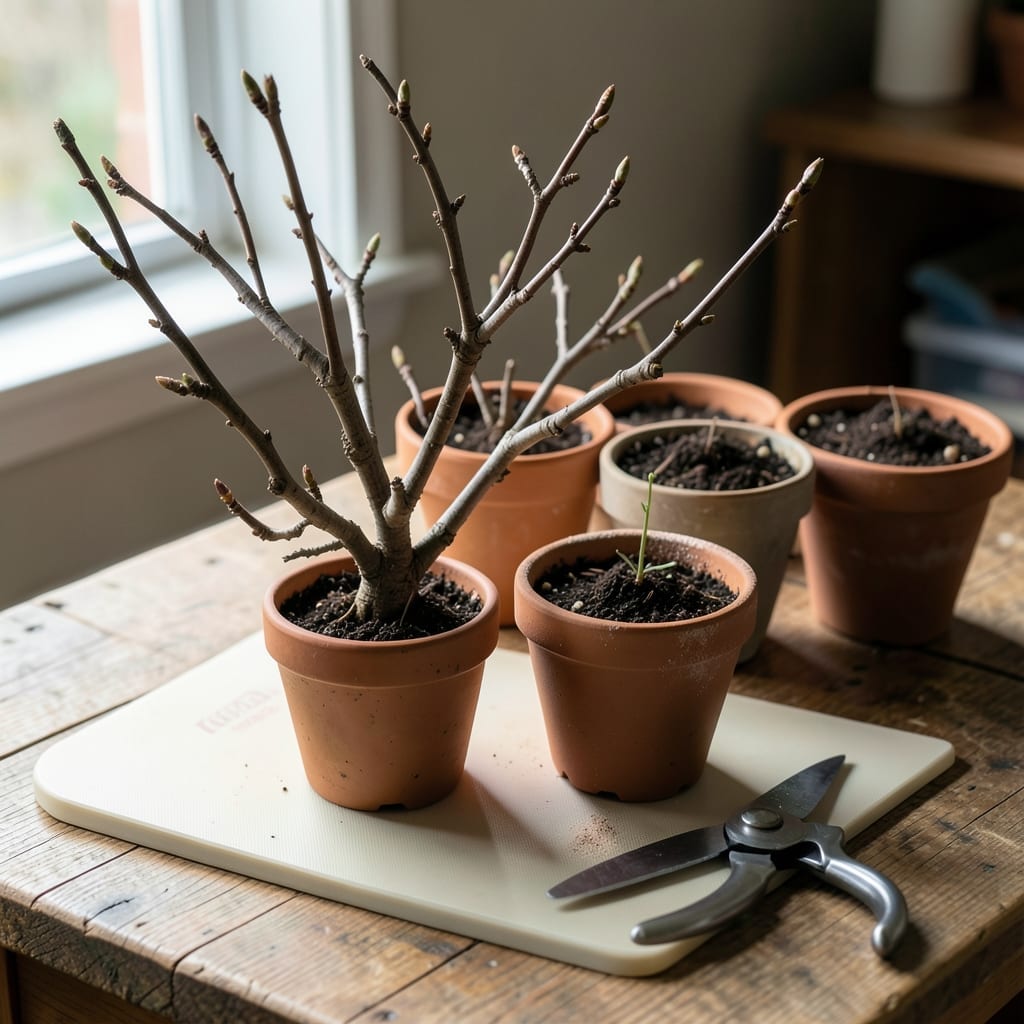
Winter doesn’t mean your gardening has to stop. With the right approach, you can propagate healthy new growth even in the coldest months.
The General Winter Cutting ❄️ thrives when you follow proven methods. Timing and conditions are everything for success in zone 6.
I’ve tested various techniques to find what works best during the January-March window. These insights will help you avoid common pitfalls.
Discover how to keep your garden thriving year-round with simple, effective strategies for winter propagation.

Winter propagation might seem tricky, but with the right plant cutting techniques, you can successfully root many species indoors. I’ve found that dormant wood cuttings work best in colder months, as the plants are in their rest phase and less prone to stress.
Timing is everything when taking winter cuttings. Aim for late morning when the plant’s moisture content is highest. This gives your cuttings the best chance to root before spring arrives. ✂️
For woody plants like roses or figs, I recommend using a cold frame or unheated greenhouse. This protects cuttings from freezing while still exposing them to natural light cycles that encourage rooting.
The rooting medium is crucial for winter success. I’ve had great results with a mix of 50% perlite and 50% peat moss. This combination provides excellent drainage while retaining just enough moisture for root development.
Remember that temperature control is key. Keep your cuttings between 60-70°F for optimal rooting. A seedling heat mat can be a game-changer if your home tends to run cool in winter.
Monitor your cuttings for signs of growth every few days. You should see new leaves forming within 4-6 weeks if conditions are right. Be patient—winter propagation often takes longer than in warmer months.
Humidity is another critical factor. I use a clear plastic bag or propagation dome to create a mini greenhouse effect. Just be sure to open it daily to prevent mold growth from excess moisture.
Don’t forget to label your cuttings with the plant name and date. This helps track progress and reminds you when to expect roots. I use popsicle sticks and a waterproof marker for this simple but essential task.
Finally, resist the urge to overwater. Winter cuttings need less moisture than you might think. Check the medium weekly and only water when the top inch feels dry to the touch. 🌱
Winter propagation isn’t just possible—it’s a smart way to expand your garden with cold-hardy plants. I’ve found that dormant wood cuttings often root more successfully in cooler months with less stress.
Certain plants thrive when propagated in winter, like rosemary, willow, and honeysuckle. These species adapt well to lower light and cooler temps, making them ideal candidates. ✂️
| Plant | Rooting Time | Care Tip |
|---|---|---|
| Rosemary | 4-6 weeks | Keep soil moist but not soggy |
| Willow | 3-4 weeks | Use hormone gel for best results |
| Honeysuckle | 6-8 weeks | Provide bright indirect light |
| Boxwood | 8-10 weeks | Maintain cool temps (50-60°F) |
| Dogwood | 5-7 weeks | Use sandy soil mix for drainage |
I always recommend softwood or semi-hardwood cuttings for winter propagation. These types have enough stored energy to develop roots without active growth stress.
Timing matters—take cuttings on a mild winter day when plants aren’t frozen. Early morning is best, as turgid stems hold more moisture for successful rooting.
For best results, use a rooting hormone and place cuttings in a humidity dome. This creates the ideal microclimate for root development during colder months.
Remember, patience is key with winter cuttings. They may take longer to root, but the stronger root systems they develop are worth the wait. 🌱