
Beautiful Plants For Your Interior
Beautiful Plants For Your Interior
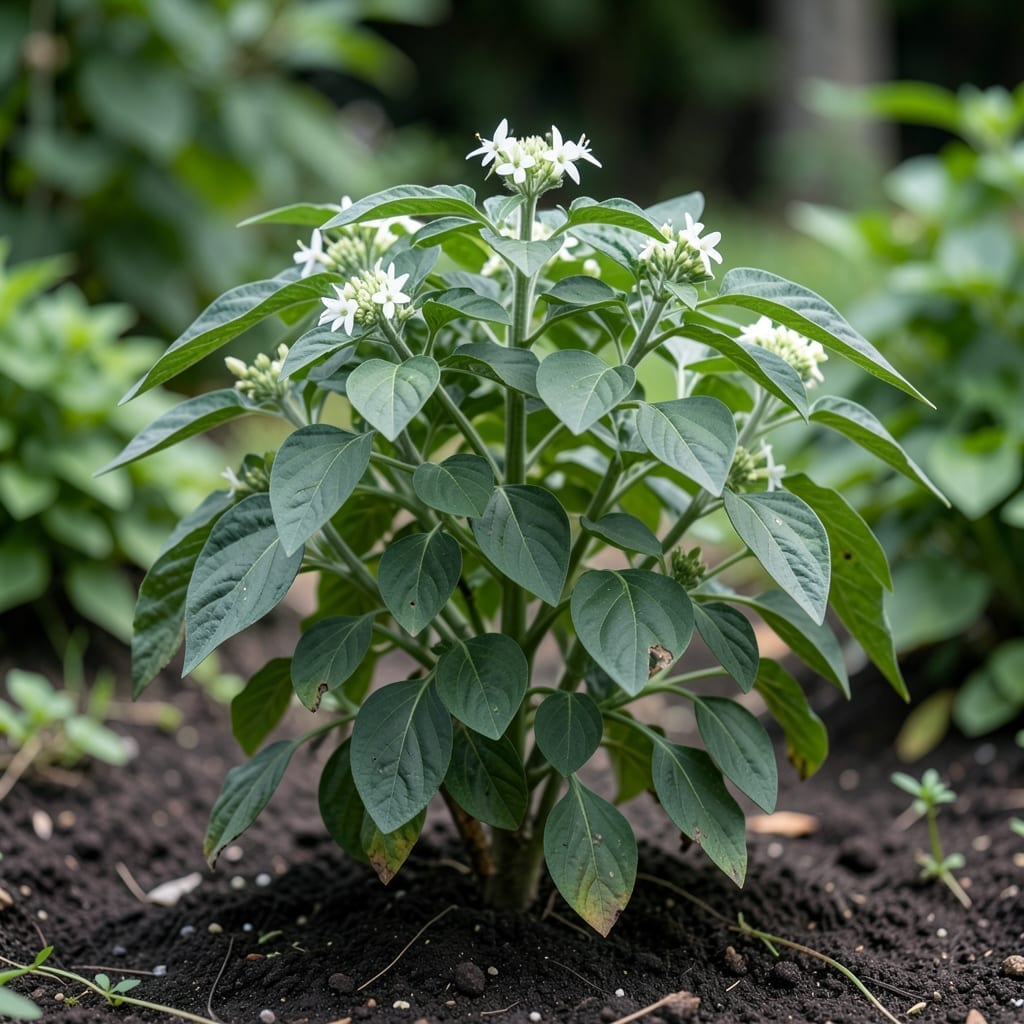
Your pepper plant’s sudden droop isn’t the end of the story. I’ve brought back more wilted peppers than I can count—usually with a simple fix you can do in 10 minutes or less.
Most wilting comes from 3 common culprits: too much water, not enough, or a hidden pest problem. The solution starts with checking the soil—dry means drink, soggy means stop. Then look closer for bugs or yellowing leaves.
With the right adjustment, you’ll see perked-up stems within 24 hours. The plant bounces back stronger, and you avoid the same mistake next time.
Works for container or in-ground peppers, any variety. Here’s how to diagnose and fix it fast.
Peppers are resilient, but a few key stressors can leave them drooping. Here’s what’s likely behind your wilted pepper plant and why.
Peppers need consistent moisture—too little, and their roots can’t absorb nutrients; too much, and roots suffocate. Underwatering causes cells to lose turgor pressure, leading to limp leaves. Overwatering drowns roots, blocking oxygen uptake and inviting root rot (Phytophthora or Pythium fungi). Check soil 1–2 inches deep: dry? Water; soggy? Hold off.
Peppers thrive at 70–85°F. Temperatures above 90°F accelerate transpiration, causing rapid water loss and wilting. Below 55°F, metabolic processes slow, and roots struggle to hydrate the plant. Use shade cloth for heatwaves or row covers for chilly nights.
Aphids, spider mites, and whiteflies pierce leaves, sucking out sap and weakening the plant. Their damage disrupts water transport, leading to wilting. Look for sticky residue (aphids) or webbing (mites) on undersides of leaves. Treat with neem oil or insecticidal soap at first signs.
Fungal pathogens like Fusarium or Verticillium clog the plant’s vascular system, blocking water flow. Symptoms include yellowing leaves and gradual wilting, often starting on one side. Rotate crops yearly and use disease-resistant pepper varieties to prevent spread.
Newly transplanted peppers may wilt as they adjust to their new environment. Roots take time to establish, so the plant can’t drink enough water initially. Reduce stress by transplanting on cloudy days, watering thoroughly before/after, and avoiding root disturbance.
Don’t panic—your pepper plant can bounce back with the right care! Here’s how to tackle the most common causes of wilting and restore its vigor.
If the soil feels bone-dry, your plant is thirsty. Give it a deep watering at the base until moisture reaches the roots. Check soil moisture daily by sticking your finger an inch deep—if it’s dry, water again. Prevention tip: 💡 Mulch around the plant to retain moisture and water consistently, especially in hot weather.
Yellowing leaves and soggy soil? You’re overdoing it. Stop watering immediately and let the soil dry out. If root rot is suspected, gently remove the plant, trim any black or mushy roots, and repot in fresh, well-draining soil. Prevention tip: 🎯 Use pots with drainage holes and a soil mix containing perlite or sand for better airflow.
Inspect leaves and stems for aphids, whiteflies, or fungal spots. Spray with neem oil or insecticidal soap for pests. For fungal issues, remove affected leaves and improve air circulation. Prevention tip: ✨ Keep the garden clean, avoid overhead watering, and space plants properly to reduce humidity.
Wilting in the afternoon? Your plant might be overheating. Move potted peppers to shade during peak sun (11 AM–3 PM) or use shade cloth. In-ground plants benefit from temporary covers. Prevention tip: 🌡️ Acclimate seedlings gradually to outdoor conditions to toughen them up.
Pale or weak growth? Your plant may need a nutrient boost. Use a balanced fertilizer (10-10-10) or compost tea every 2–3 weeks. Avoid over-fertilizing, which can burn roots. Prevention tip: 🔥 Test soil annually and amend with organic matter before planting.
Water deeply when the top 1-2 inches of soil feel dry. In hot weather, this may mean daily watering; in cooler conditions, every 2-3 days. Always check soil moisture first to avoid overwatering.
Yes! Most recover within 24 hours after fixing the issue. If the problem is underwatering, a deep drink usually revives it quickly. For overwatering or disease, recovery may take longer but is possible with proper care.
Yellowing leaves, soggy soil, and a foul smell are key signs. The leaves may feel soft and mushy rather than crisp. If you see these, stop watering immediately and check for root rot.
Inspect leaves weekly for aphids or mites. Use neem oil as a preventative spray every 2 weeks. Keep the garden clean and avoid overhead watering to reduce pest attraction.