
Beautiful Plants For Your Interior
Beautiful Plants For Your Interior
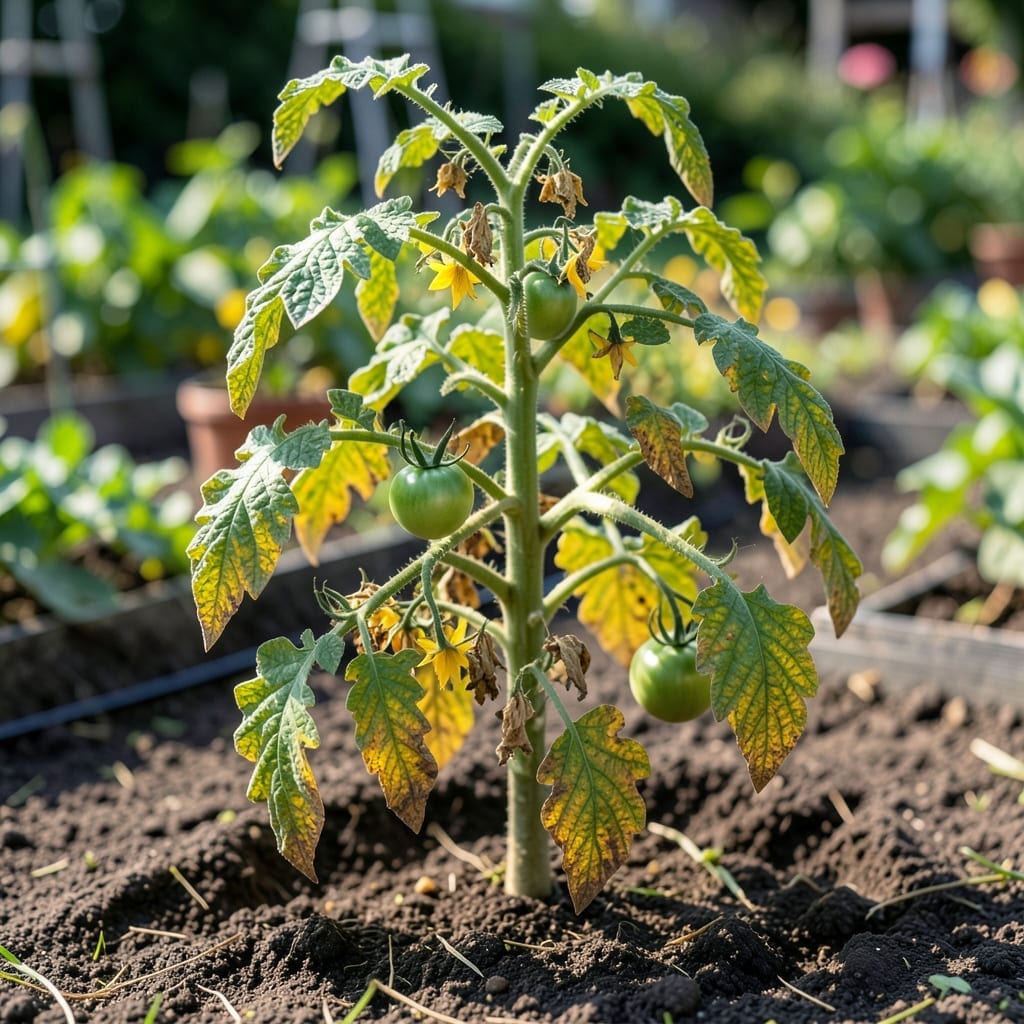
That moment when your once-perky plants suddenly droop—it hits different. I’ve lost count of how many times I’ve stared at wilted leaves, wondering if it was too much water, not enough, or something worse lurking in the soil.
Turns out, wilting is your plant’s way of sending an SOS. The causes range from simple fixes like thirsty roots to sneaky culprits like fungal infections or root rot. The key is catching it early before the damage spreads.
With a few quick checks—soil moisture, stem firmness, and leaf condition—you can diagnose the issue in minutes. Most cases bounce back fast with the right adjustments to water, light, or drainage.
Preventing future wilting starts with consistent care and a watchful eye. Small tweaks now save you from heartbreak later.
Plants wilt when their cells lose turgor pressure, but the underlying causes vary. Here are the most common culprits behind this distress signal:
Both underwatering and overwatering disrupt a plant’s ability to absorb water. In drought conditions, roots can’t pull moisture from dry soil, while waterlogged roots suffocate and rot, blocking water uptake. Fusarium and Phytophthora fungi thrive in soggy soil, further damaging vascular systems.
High temperatures or freezing conditions stress plants, accelerating water loss through transpiration. Heatwaves cause rapid wilting, especially in thin-leaved species. Conversely, frost damages cell membranes, leading to limp, blackened foliage.
Insects like aphids and whiteflies pierce plant tissues, sucking out fluids and introducing toxins. Bacterial infections (e.g., Ralstonia solanacearum) or fungal diseases (e.g., Verticillium wilt) clog xylem vessels, halting water transport.
Deficiencies in potassium or calcium weaken cell walls, reducing structural integrity. Over-fertilization, especially with high-salt formulations, can also burn roots, mimicking drought symptoms.
Physical injuries from transplant shock, compacted soil, or nematode infestations impair root function. Without healthy roots, plants can’t absorb water efficiently, even if the soil is moist.
Here’s how to revive your plants based on the root cause, with simple steps to prevent future wilting.
Give the plant a deep watering until water runs out of the drainage holes. For potted plants, soak the container in a shallow tray of water for 10–15 minutes to rehydrate the root ball. Prevention tip: 💡 Check soil moisture by sticking your finger 1–2 inches into the soil—water when the top layer feels dry. Use self-watering pots or mulch to retain moisture.
Stop watering immediately and let the soil dry out. If root rot is suspected, remove the plant from its pot, trim black/mushy roots, and repot in fresh, well-draining soil. Prevention tip: 🌱 Ensure pots have drainage holes and use a moisture meter to avoid overwatering. Water only when the top 1–2 inches of soil are dry.
Spray with neem oil or insecticidal soap for pests like aphids or spider mites. For fungal/bacterial issues, remove affected leaves and apply a copper-based fungicide. Prevention tip: ✨ Improve airflow around plants, avoid wetting leaves, and sterilize tools between uses. Inspect plants regularly for early signs of trouble.
Move the plant to a shadier spot or provide temporary shade cloth during peak sun hours. Mist leaves lightly to cool them down (avoid for succulents). Prevention tip: 🌡️ Acclimate plants gradually to direct sunlight and group them to create a microclimate that retains humidity.
Repot in nutrient-rich, well-draining soil and add a balanced fertilizer (e.g., 10-10-10) to restore vitality. For compacted soil, loosen it gently with a fork. Prevention tip: 🎯 Feed plants every 4–6 weeks during growing season and refresh potting soil annually.
Yes, if the cause is temporary like underwatering. A thorough drink often restores turgor by morning.
This usually signals root rot from overwatering. Roots suffocate in soggy soil, blocking water uptake despite moisture presence.
Check leaf undersides for tiny bugs or sticky residue. Aphids and spider mites often cause stunted growth with wilting.
No, most plants bounce back if you act quickly. Only severe cases like advanced vascular disease lead to permanent damage.