
Beautiful Plants For Your Interior
Beautiful Plants For Your Interior
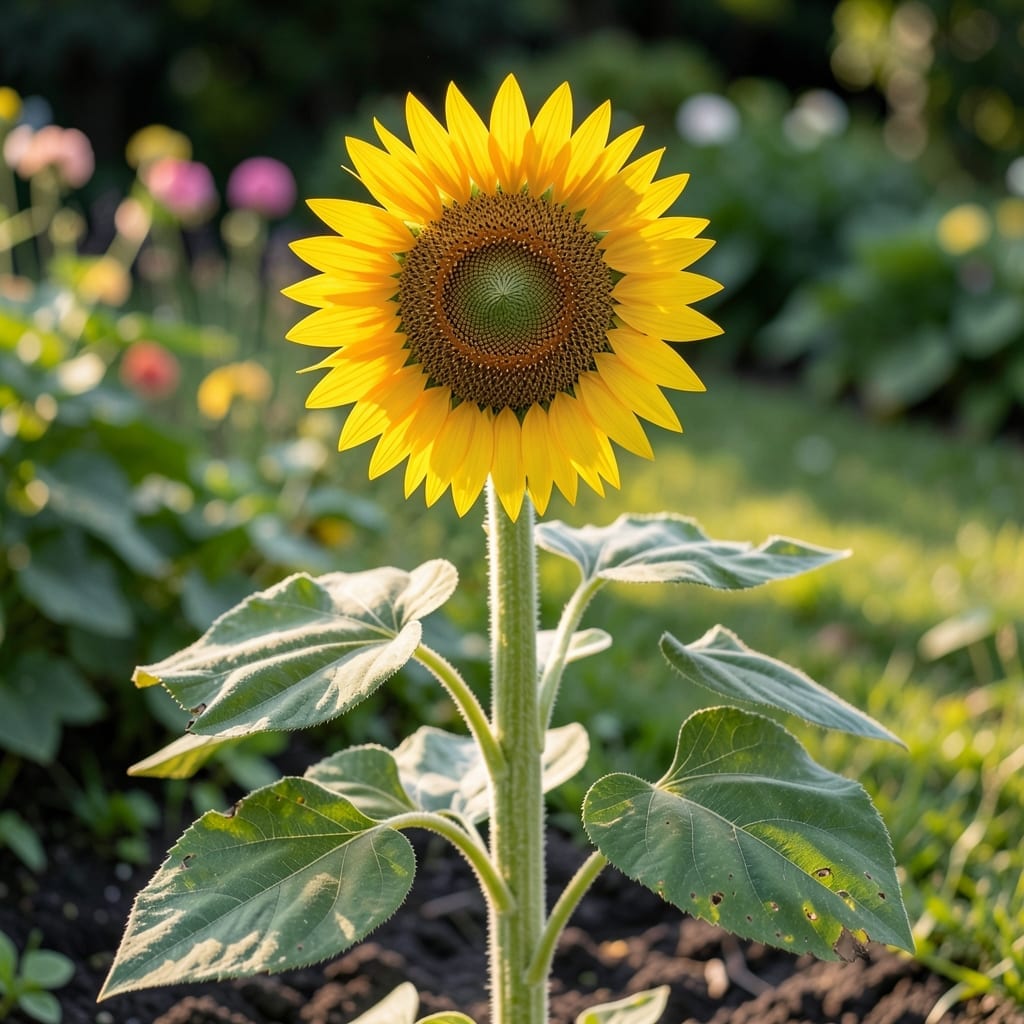
Sunflowers are the bright beacons of summer gardens, but their love for sunlight leaves many gardeners with a pressing question. Can these iconic 🌻 blooms really thrive without full sun exposure?
I’ve seen firsthand how less-than-ideal conditions can still yield beautiful results. The truth is more nuanced than you might think, and it starts with understanding what these plants truly need.
While sunflowers do best with 6-8 hours of direct light, some varieties show surprising adaptability. The key lies in knowing which types to choose and how to give them their best shot.
Discover which sunflowers can handle shade and the simple tricks to help them flourish. Your garden might be more versatile than you realize.


Many gardeners assume sunflowers need full sun to thrive, but the reality is more nuanced. While they do best with 6-8 hours of direct sunlight, some varieties can tolerate partial shade with adjustments. Their growth may be slower, and blooms smaller, but it’s possible.
I’ve found that dwarf sunflowers are the most shade-tolerant, managing with just 4-6 hours of sunlight. However, they’ll stretch toward light, often becoming leggy and weak if conditions are too dim. Larger varieties struggle more in shade.
| Requirement | Specification |
|---|---|
| Ideal Sunlight | 6-8 hours daily |
| Minimum Sunlight | 4-6 hours for dwarfs |
| Shade Tolerance | Low to moderate |
| Shade Effect | Smaller blooms, slower growth |
Sunflowers are heliotropic, meaning they follow the sun’s movement. In shade, this natural behavior is disrupted, leading to weak stems and pale leaves. I always recommend supplementing with reflective mulches to maximize light exposure.
If you’re determined to grow sunflowers in shade, choose a north-facing spot with dappled sunlight. Avoid deep shade under trees or buildings, as this will severely limit growth. Even shade-tolerant varieties need some direct light to produce blooms.
In my experience, soil quality becomes even more critical in shady conditions. Sunflowers in shade need rich, well-draining soil to compensate for reduced photosynthesis. I add compost or aged manure before planting to give them a boost.
Watering also requires adjustment. Shaded sunflowers dry out more slowly, so overwatering is a common mistake. I check soil moisture 1-2 inches deep before watering and aim for consistent moisture without sogginess.
For those in cooler climates, shade can actually help prevent bolting in hot summers. However, in most cases, reduced light means longer time to maturity. Be patient—your sunflowers may take an extra 2-3 weeks to bloom.
If you’re experimenting with shade, start with shorter varieties like ‘Teddy Bear’ or ‘Sunspot’. These are bred for compact growth and handle partial shade better than towering types like ‘Mammoth’.
Finally, remember that seed production will be lower in shade. If you’re growing sunflowers for seeds, prioritize full sun. For cut flowers or ornamental use, shade can work with the right care and expectations. 🌻
While most sunflowers demand full sun, some dwarf varieties can handle partial shade. I’ve found these tolerate 3-4 hours of sunlight better than others.
Look for multi-branching types or shorter stems—they’re more adaptable. Even in shade, they’ll produce bright blooms, just on a smaller scale.
| Variety | Height | Shade Tolerance |
|---|---|---|
| Teddy Bear | 2-3 ft | Moderate |
| Sunspot | 1-2 ft | Good |
| Music Box | 2-3 ft | Fair |
I recommend Teddy Bear for its fluffy double blooms and compact size. It’s perfect for containers on a shady patio.
Sunspot is another winner—its small stature and high tolerance make it ideal for partial shade spots in your garden.
For taller options, Music Box can work, but expect fewer blooms and weaker stems without enough light.
Remember, even shade-tolerant types need some sunlight. I always suggest morning sun for the best results.
With the right variety selection and careful placement, you can enjoy sunflowers even in less-than-perfect light. 🌻