
Beautiful Plants For Your Interior
Beautiful Plants For Your Interior
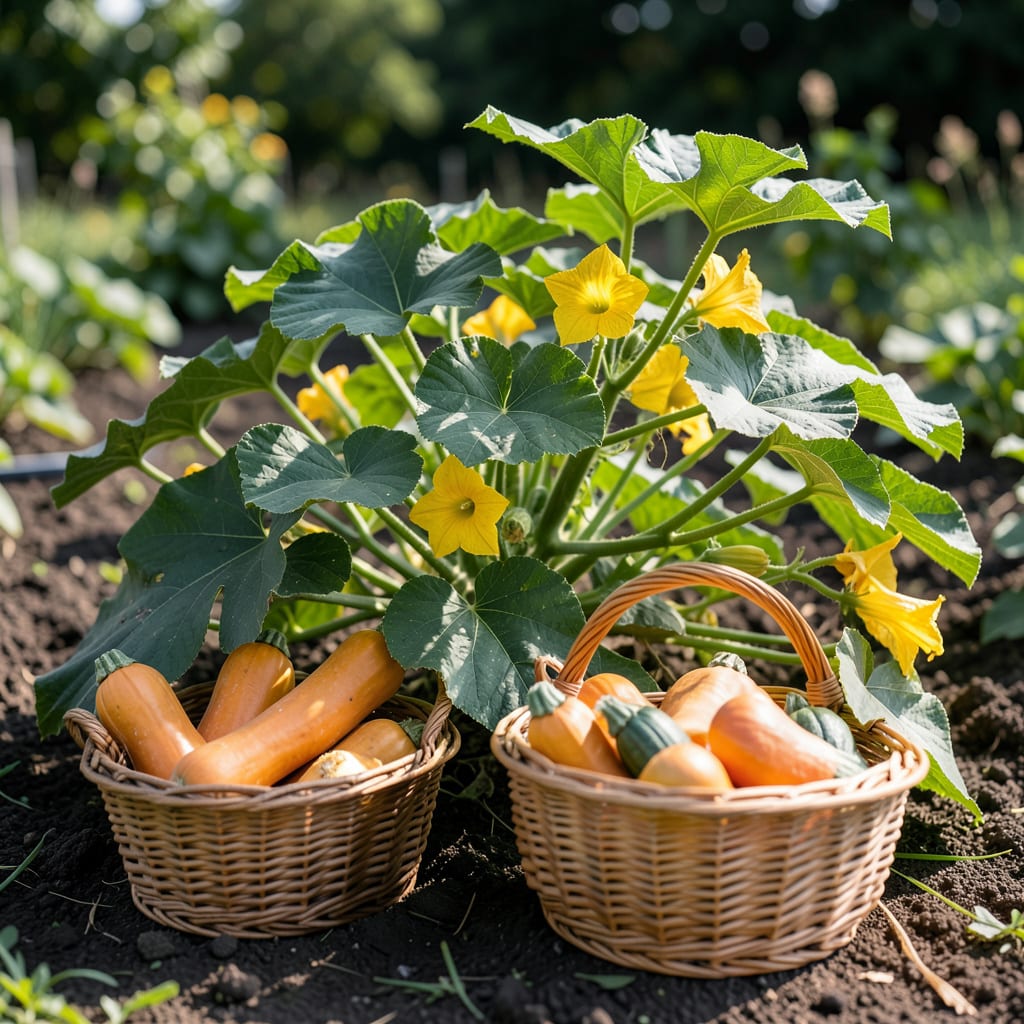
You’ve spent months tending to your 🎃 Squash, and now the big question looms: will they still ripen after picking?
I’ve been there, staring at slightly green fruit and wondering if it’s all for nothing. The answer might surprise you—and it could change how you handle your entire harvest.


Many gardeners wonder if their squash will continue to ripen once it’s off the vine. I’ve learned the hard way that most summer squash like zucchini won’t ripen further after picking. They’re best enjoyed fresh and young.
However, winter squash like butternut or pumpkin are different. They can continue to ripen after harvest, but only if they’ve reached a certain maturity on the vine first. This is due to their ethylene sensitivity and thicker rinds.
| Squash Type | Ripens After Picking? | Key Notes |
|---|---|---|
| Summer Squash | ❌ No | Harvest when young and tender |
| Winter Squash | ✅ Yes (partially) | Needs vine maturity first |
| Pumpkin | ✅ Yes | Can ripen off vine if mature |
The science behind this lies in how ethylene gas affects ripening. Winter squash produces this gas naturally, but summer varieties don’t have the same capacity. That’s why timing your harvest is so crucial.
For winter squash, look for a hard rind that resists puncture. If picked too early, even these won’t ripen properly. I always test by pressing my thumbnail into the skin—if it leaves a mark, it’s not ready yet.
Another key factor is the stem condition. A dry, woody stem indicates maturity in winter squash. For summer varieties, I harvest when they’re still small and the skin is tender enough to pierce with a fingernail.
Temperature also plays a role in post-harvest ripening. I’ve found that storing winter squash in a warm room (about 80°F) with good airflow can help the ripening process. But remember, this only works if the squash was nearly mature when picked.
If you’re unsure, it’s better to leave squash on the vine a little longer. Once picked, summer squash won’t improve, and underripe winter squash may develop off flavors. I learned this after trying to ripen a green butternut squash—it never tasted right.
For best results, always check the color and texture before harvesting. A deep, consistent color and firm texture are sure signs of readiness in most varieties. And don’t forget to rotate your winter squash occasionally for even ripening.
Finally, remember that every squash variety has its own timeline. What works for acorn squash might not apply to spaghetti squash. When in doubt, consult your seed packet or a trusted gardening guide for variety-specific advice.
With practice, you’ll develop an eye for the perfect harvest time. And that’s when you’ll get the most flavorful, perfectly ripe squash from your garden every time
🌱I’ve learned that timing is everything with squash harvest. Unlike some fruits, most squash won’t ripen off the vine, so knowing the perfect moment to pick is crucial for flavor and texture.
Different varieties have unique cues, but there are universal signs I watch for. Summer squash like zucchini are best when small and tender, while winter squash need a hard rind and dry stem.
Key Ripeness Signs:
Zucchini and yellow squash are best picked at 6-8 inches long when the skin is still shiny. If the rind dulls, it’s overripe and the seeds will be tough.
For butternut or acorn squash, I wait until the rind turns matte and the stem hardens. A deep, solid color and a hollow sound when tapped confirm it’s ready.
Pumpkins need a hard rind and a dry, corky stem. If the stem is green, it’s not ready. Also, the vines often die back as a final sign.
Avoid harvesting too early—underripe squash lacks sweetness and won’t store well. But don’t wait too long either, or it may split or rot on the vine 🌱
I’ve had my share of premature squash harvests, and let me tell you, not all hope is lost. While summer squash won’t ripen further, there are still ways to salvage underripe winter varieties.
If you’ve picked butternut or acorn squash too soon, try storing them in a warm, dry place (around 80°F) with good airflow. This can help them continue ripening, but only if they were close to maturity on the vine.
⚠️ Warning:
Underripe summer squash won’t improve after picking. Use them quickly in dishes where texture isn’t critical, or compost them if they’re too immature.
For winter squash, check the stem and rind daily. If the rind hardens and the stem dries out, it’s a good sign they’re still ripening. However, if they were very immature, they may never develop proper flavor or texture.
Another trick I use is placing underripe squash near ripe apples or bananas. The ethylene gas they emit can speed up ripening, but this works best for nearly mature winter squash.
If all else fails, underripe squash can still be used in soups or purees where their texture is less noticeable. But remember, prevention is key—always check for maturity signs before harvesting. 🌱
Check if the rind resists puncture with your thumbnail and the stem is dry. Winter varieties need these signs to continue ripening off the vine
No, zucchini and other summer squash won’t ripen further once picked. They’re best harvested young and tender for optimal flavor
Store in a warm room (around 80°F) with airflow, or place near ripe fruit like apples. This works best for nearly mature squash
Underripe summer squash won’t improve, but nearly mature winter varieties may develop flavor if stored properly. Very immature ones may never taste right
