
Beautiful Plants For Your Interior
Beautiful Plants For Your Interior
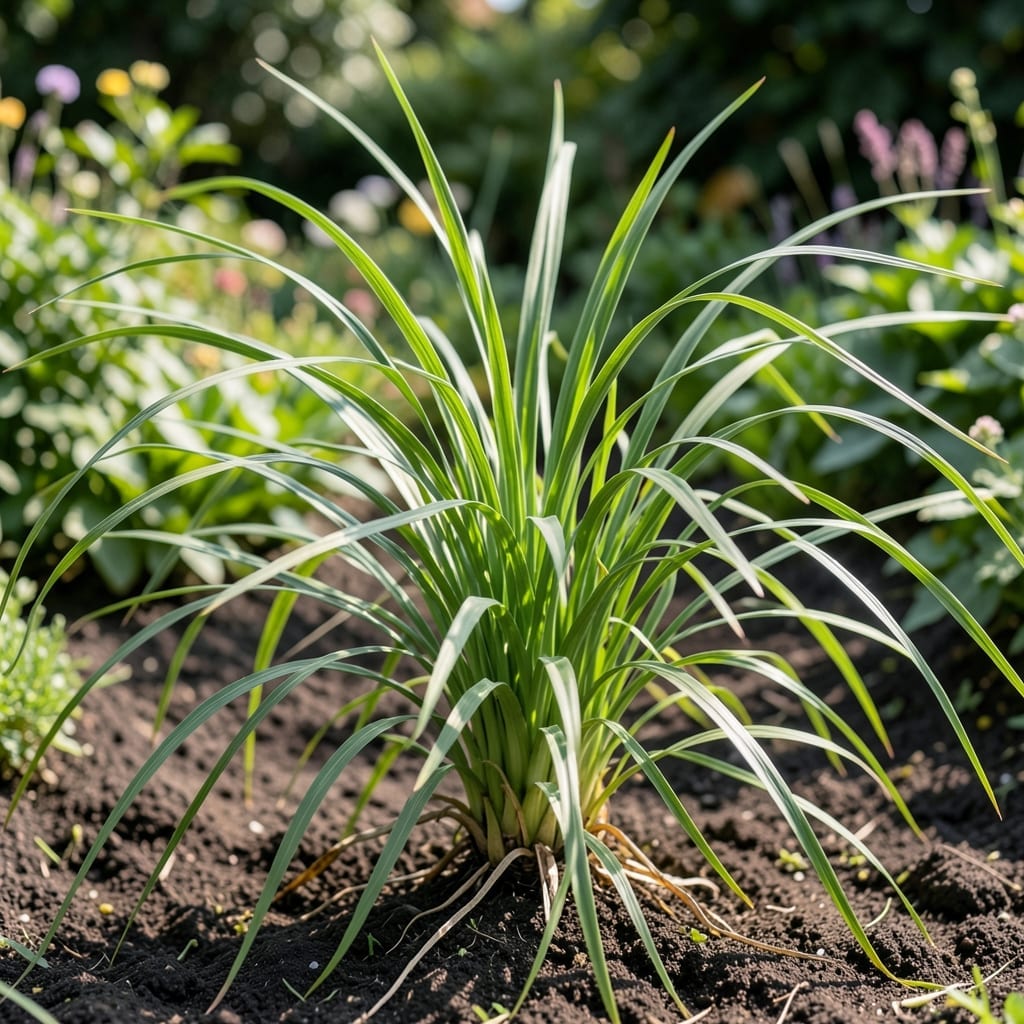
If you’ve ever tried to grow 🌿 Lemongrass in a shady corner of your garden, you know the disappointment of weak, leggy plants. This aromatic herb is a sun-worshipper at heart, thriving with 6+ hours of direct light daily.
But here’s the good news: while full sun is ideal, Lemongrass can tolerate some shade. The key is understanding how much is too much and how to compensate for lower light conditions.
I’ve spent seasons experimenting with Lemongrass in different light scenarios, and the results might surprise you. Partial shade doesn’t have to mean failure – it just requires some strategic adjustments.
Discover how to give your 🌿 Lemongrass the best chance to flourish, even when full sun isn’t an option. The right approach can make all the difference.


I often get asked if lemongrass can thrive without full sun exposure. While this aromatic herb prefers 6+ hours of direct sunlight daily, it can tolerate some shade.
However, too little light affects its growth rate, essential oil production, and flavor intensity. In my experience, partial shade is acceptable, but deep shade leads to weak stems and poor yields.
| Requirement | Specification |
|---|---|
| Ideal Light | Full sun (6+ hours) |
| Minimum Light | Partial shade (4-6 hours) |
| Shade Tolerance | Low (avoid deep shade) |
| Signs of Stress | Leggy growth, pale leaves |
In USDA zones 9-11, lemongrass grows best in well-draining soil with maximum sunlight. I’ve noticed that container-grown plants can be moved to sunnier spots as needed.
If you must grow it in shade, choose a west-facing location where it gets afternoon sun. Morning shade is slightly better than deep afternoon shade.
Watch for yellowing leaves or stunted growth—these are clear signs your lemongrass needs more light. I recommend pruning nearby plants to improve light access.
For indoor growing, place it near a south-facing window or under grow lights for 12-14 hours daily. Without enough light, it won’t develop its signature citrus scent.
In my garden, lemongrass in partial shade grows about 30% slower than in full sun. The stalks are thinner, and the lemon aroma is noticeably weaker.
If you’re in a cooler climate, prioritize sun exposure even more. Lemongrass needs warmth to thrive, and shade can make the soil too cool for optimal growth.
Pro tip: Use reflective mulch or white pebbles around the base to maximize light absorption. This small trick can make a noticeable difference in shadier spots.
Remember, while lemongrass can survive in partial shade, it won’t reach its full potential. For the best flavor and yield, prioritize sunny locations in your garden.
🌿While lemongrass prefers full sun, it can tolerate partial shade with the right care. I’ve found that 3-4 hours of direct sunlight is the minimum for healthy growth, but it won’t thrive like it would with 6+ hours of sun.
In my experience, the key is ensuring the shade is dappled or light, not deep. Heavy shade leads to weak stalks and reduced aroma, which defeats the purpose of growing this herb. ☀️
I always recommend container gardening for lemongrass in shade. This way, you can move pots to sunnier spots as the day progresses, giving your plants the best chance to thrive.
Companion planting can also help. Pairing lemongrass with low-growing herbs like basil or mint ensures it gets unobstructed light while keeping the garden bed productive.
If you notice yellowing leaves or stunted growth, it’s a sign your lemongrass isn’t getting enough light. In these cases, supplemental lighting or relocating to a sunnier spot may be necessary. 🌿
Finally, remember that variety matters. Some lemongrass cultivars handle shade better than others, so choosing the right type can make a big difference in your success. 🌱