
Beautiful Plants For Your Interior
Beautiful Plants For Your Interior
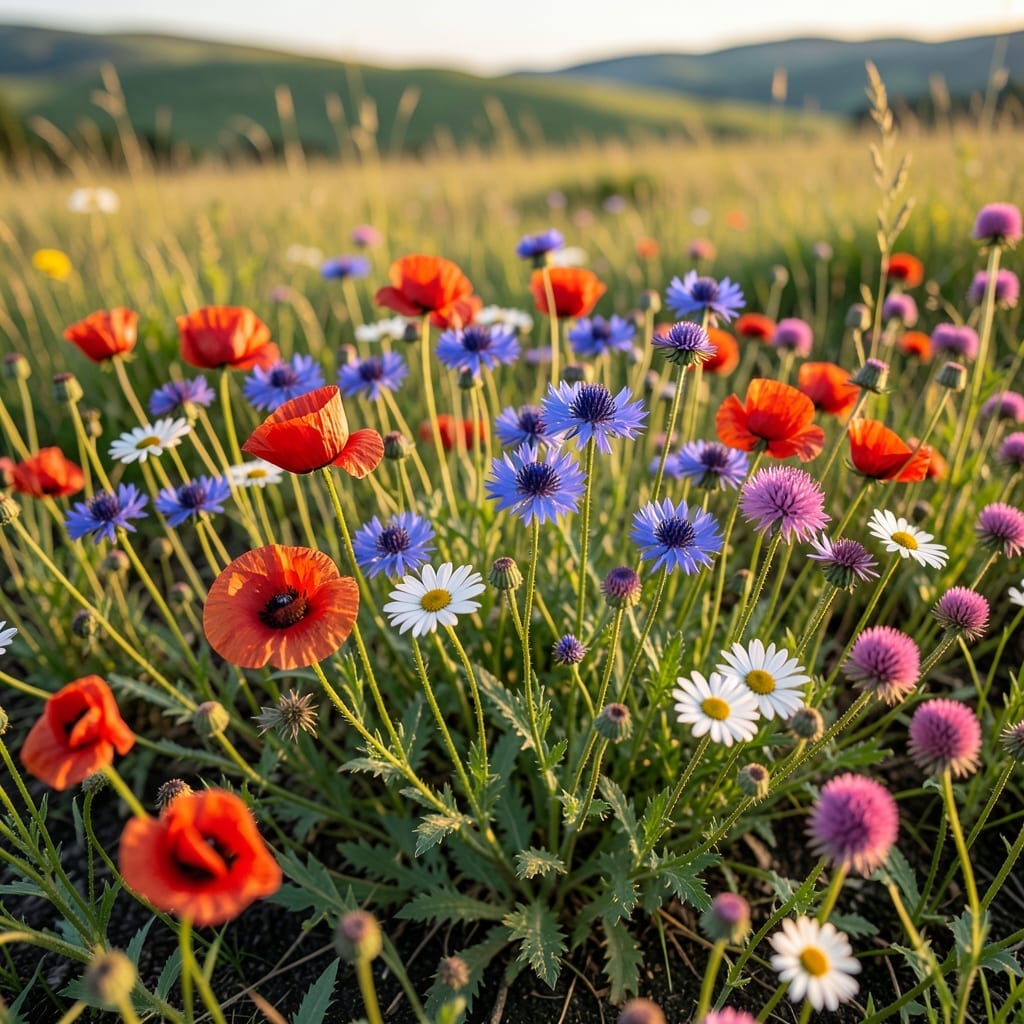
Imagine stepping into your backyard and being greeted by a vibrant sea of colors buzzing with life. Wildflower Meadow Flowers 🌼 can turn this vision into your reality, creating a living canvas that supports our most important pollinators.
These native blooms do more than just dazzle the eye—they’re the foundation of a thriving ecosystem right outside your door. From bees to butterflies, your garden becomes a sanctuary for creatures that keep our planet healthy.
I’ve seen firsthand how a well-planned meadow can transform a dull patch of grass into a stunning display that changes throughout the seasons. The best part? It’s easier to achieve than you might think.
Discover how to select the perfect varieties, design your space for maximum impact, and maintain your meadow with minimal effort. Your pollinator paradise awaits.
Creating a thriving wildflower meadow starts with selecting the right native species. I’ve found that pollinator-friendly flowers like purple coneflower and black-eyed Susan are top choices for attracting bees and butterflies.
These native wildflowers are adapted to local climates, making them low-maintenance and drought-tolerant once established. They also provide essential nectar sources for pollinators throughout the growing season. 🌼
| Wildflower | Bloom Time | Sun Needs | Pollinator Benefit |
|---|---|---|---|
| Purple Coneflower | Summer to Fall | Full Sun | Attracts bees & butterflies |
| Black-Eyed Susan | Late Spring to Fall | Full Sun | Nectar for bees & hoverflies |
| Butterfly Weed | Summer | Full Sun | Host plant for monarchs |
| Wild Bergamot | Midsummer | Full Sun to Part Shade | Loved by hummingbirds |
For a long-lasting meadow, I recommend mixing perennial wildflowers with annuals. This ensures continuous blooms from early spring to late fall, keeping pollinators well-fed.
Purple coneflower (Echinacea purpurea) is a standout for its drought resistance and medicinal properties. It thrives in well-drained soil and can reach heights of 2-4 feet, adding structure to your meadow. 🌿
Black-eyed Susan (Rudbeckia hirta) is another favorite. Its golden-yellow petals brighten any landscape, and it’s incredibly easy to grow from seed. This flower is perfect for beginners.
Butterfly weed (Asclepias tuberosa) is essential for monarch butterflies. Its orange blooms are a magnet for pollinators, and it’s deer-resistant, which is a bonus in rural areas.
If you’re looking for fragrant options, wild bergamot (Monarda fistulosa) is a must. Its lavender flowers attract hummingbirds and bees alike, and it tolerates partial shade.
For moist areas, consider swamp milkweed (Asclepias incarnata). It’s ideal for rain gardens and provides critical habitat for monarch caterpillars.
Remember, diversity is key in a wildflower meadow. Aim for a mix of heights, colors, and bloom times to create a visually stunning and ecologically rich space. ✂️
Creating a wildflower meadow starts with site preparation. I always remove existing grass and weeds first, then loosen the soil to a depth of about 4-6 inches. This gives your seeds the best chance to establish strong roots.
For seed selection, I recommend choosing a native wildflower mix suited to your region. This ensures the plants will thrive in your local climate and soil conditions. Spring or fall planting works best for most areas.
Once planted, initial watering is crucial. I water my meadow lightly but frequently for the first 4-6 weeks until the seedlings are well established. After that, most wildflowers are quite drought-tolerant.
For seasonal care, I mow my meadow once a year in late winter to remove dead growth. This helps new plants emerge in spring. During the growing season, I avoid mowing to allow flowers to set seed.
To maintain year-round beauty, I plant a mix of early, mid, and late bloomers. This ensures continuous color from spring through fall, providing nectar for pollinators throughout the growing season.
Remember, a wildflower meadow improves with age. In my experience, the second and third years bring the most spectacular displays as the plants establish and naturalize in your space. 🌼