
Beautiful Plants For Your Interior
Beautiful Plants For Your Interior
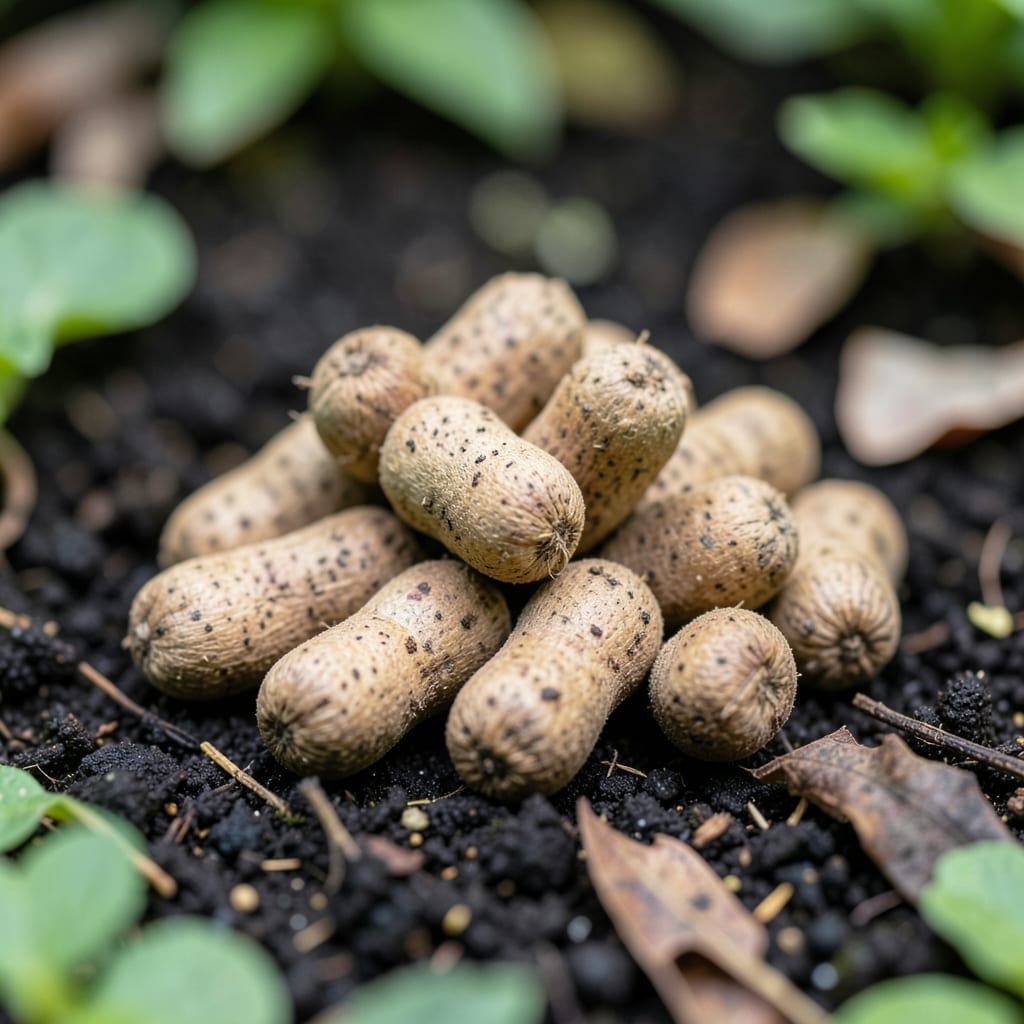
Those little round pellets in your garden aren’t just mess—they’re a warning sign. Wild rabbits leave behind perfectly round, dry scat as proof they’ve been snacking on your plants overnight.
I’ve lost entire rows of lettuce to these silent nighttime raiders. The damage is clean-cut, unlike deer that tear leaves. Check for scat near chewed stems—it’s the first clue they’ve claimed your garden as their buffet.
Here’s the thing—rabbits return to the same spots. Once you spot the scat, you’ll find nibbled plants within 5-10 feet. They’re creatures of habit, which makes them easier to outsmart.
Protection starts with knowing their patterns. Fencing works, but only if it’s 2 feet high with the bottom buried. We’ll cover the methods that actually keep them out.
Understanding why wild rabbit scat appears in your garden starts with recognizing their natural behaviors and environmental triggers. Here’s a breakdown of the primary causes:
Rabbits are herbivores with a high-fiber diet, primarily consuming grasses, leaves, and garden vegetables. Their digestive systems are highly efficient, producing two types of feces: hard, dry pellets (excreted during the day) and softer, nutrient-rich cecotropes (reingested at night). The scat you find is typically the former, left behind as they forage. Gardens with abundant greens act like a buffet, leading to frequent deposits.
Wild rabbits use scat as a form of scent communication. By leaving droppings in specific areas, they mark their territory, signaling to other rabbits that the space is claimed. This behavior is especially common in gardens with dense vegetation or hiding spots, such as under bushes or near fences, where rabbits feel safe.
Rabbits thrive in edge habitats—areas where open spaces meet cover, like the transition between a lawn and a wooded area. If your garden offers both food sources (e.g., clover, lettuce, or carrots) and shelter (e.g., tall grass, brush piles), it becomes an ideal rabbit hangout. The more inviting the environment, the more scat you’ll encounter.
Rabbit activity—and thus scat production—peaks during spring and summer, when food is plentiful and breeding season is in full swing. In colder months, they may seek out gardens with evergreen plants or leftover vegetation, leaving behind more noticeable droppings as they concentrate their foraging in limited areas.
Dealing with wild rabbit droppings in your garden can be frustrating, but practical solutions exist to reclaim your space. Below are targeted fixes for common causes, paired with prevention tips to keep your garden thriving.
Rabbits seek shelter in tall grass and dense plants. Trim overgrown areas and install chicken wire fencing (at least 2 feet high with the bottom buried 6 inches deep) to block access. Prevention tip: 💡 Regularly mow and remove brush to eliminate hiding spots.
Rabbits love tender greens and flowers. Apply commercial repellents (like those with putrescent eggs or capsaicin) or homemade mixes (e.g., garlic or hot pepper spray). Reapply after rain. Prevention tip: 🎯 Plant rabbit-resistant species like marigolds, lavender, or daffodils near vulnerable areas.
Check for gaps under sheds, decks, or fences where rabbits can sneak in. Seal these with hardware cloth or mesh. Prevention tip: ✨ Conduct seasonal inspections to catch new entry points early.
Physical barriers like raised beds with tall sides or cloches protect seedlings. For existing plants, wrap trunks with tree guards. Prevention tip: 🌡️ Rotate deterrents (e.g., alternate repellents) to prevent rabbits from adapting.
Consistency is key—combine fencing, repellents, and habitat modification for the best results. A well-maintained garden is the first line of defense!
Rabbit scat consists of small, round, dry pellets about 1/4 to 1/2 inch in diameter. Unlike deer droppings, they’re uniform in size and shape, with no shiny coating. Squirrel waste is larger and often contains bits of nuts or seeds.
Rabbit droppings are not toxic and can even act as a mild fertilizer due to their high nitrogen content. However, the presence of scat often means rabbits are feeding on your plants, which can cause more damage than the droppings themselves.
Yes, rabbits are creatures of habit and will often revisit the same areas. Cleaning up scat removes their scent markers, but you’ll need to combine this with deterrents like fencing or repellents to keep them away long-term.