
Beautiful Plants For Your Interior
Beautiful Plants For Your Interior
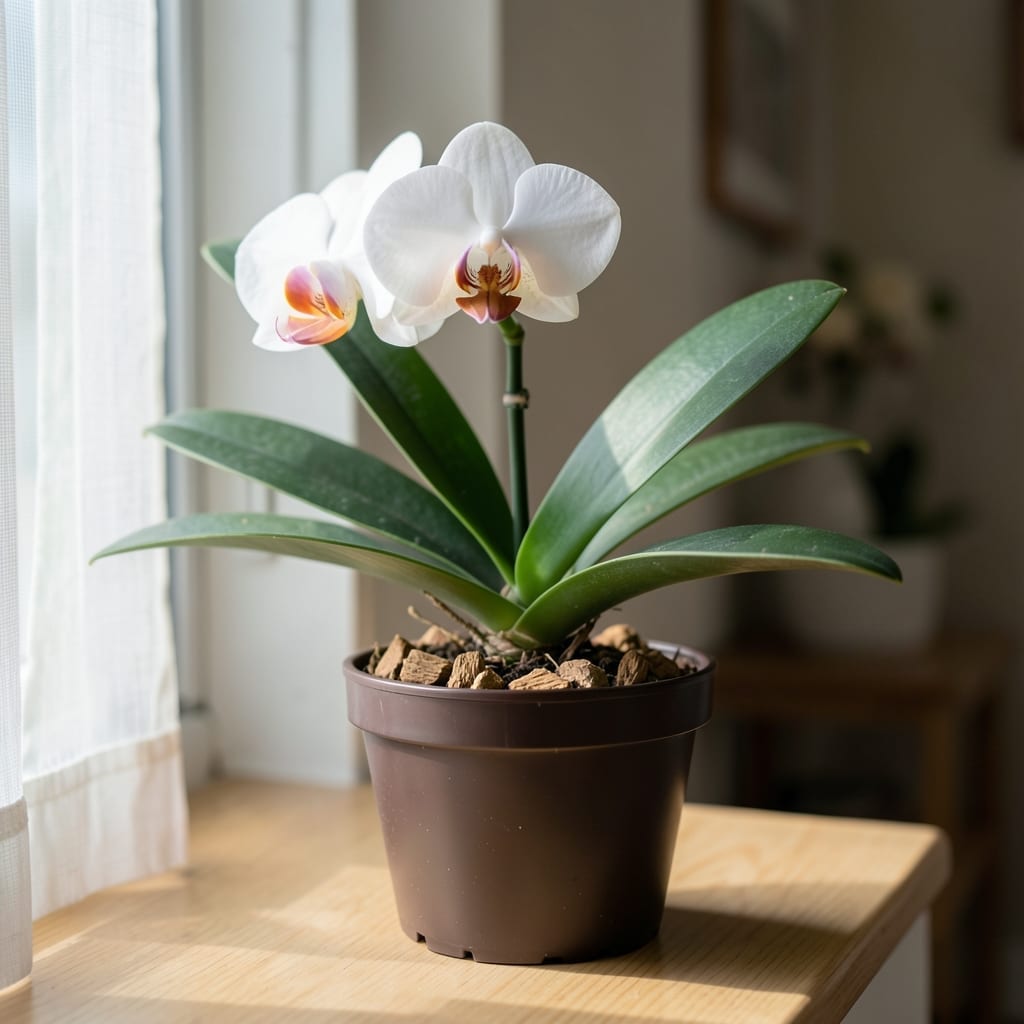
My orchid sat leafy and stubborn for 18 months before I figured out its silent protest. No blooms, just green indifference—turns out, it needed more than my good intentions.
Here’s the thing—orchids aren’t dramatic divas. They just require specific light, a temperature nudge, and a watering routine that doesn’t drown their dignity. Most failures come from over-love, not neglect.
After adjusting my east window setup and letting nights drop to 55°F, the first flower spike appeared like magic. The fix is simpler than the frustration it causes.
We’ll walk through the exact triggers that wake up sleeping orchids. No more guessing games, just reliable results.
Orchids are finicky when it comes to blooming, and several key factors can disrupt their natural flowering cycle. Here’s why your orchid might be holding back:
Orchids, especially Phalaenopsis and Cattleya, require bright, indirect light to produce blooms. Without enough light, they focus energy on survival rather than reproduction. Too little light slows photosynthesis, reducing the sugars needed for flower development.
Most orchids need a 10–15°F (5–8°C) drop in temperature at night to trigger blooming. If your orchid stays in a consistently warm environment, it may never enter the flowering phase. This mimics their natural habitat, where cooler nights signal the right time to bloom.
Overwatering or underwatering can stress orchids, diverting energy away from blooming. Root rot from excess moisture prevents nutrient uptake, while drought conditions weaken the plant. Both scenarios delay or stop flower spikes from forming.
Orchids need balanced fertilization, particularly phosphorus (the “P” in NPK), to promote blooming. A lack of this nutrient can result in lush foliage but no flowers. Use a bloom-boosting fertilizer (e.g., 10-30-20) during the growing season.
Some orchids take 2–3 years to mature enough to bloom. If yours is still young, it may not have stored enough energy. Give it time and consistent care to reach flowering maturity.
If your orchid isn’t blooming, don’t lose hope—small tweaks can make a big difference. Below are targeted fixes for the most common issues, paired with prevention tips to keep those stunning blooms coming back.
Orchids need 12–14 hours of bright, indirect light daily. If yours sits in a dim corner, relocate it near an east- or west-facing window. Avoid harsh direct sunlight, which can scorch leaves. Prevention tip: Rotate the pot weekly so all sides get even exposure.
Orchids thrive in 60–80°F (15–27°C) days and a 10°F (5°C) drop at night to trigger blooming. If your home stays too warm or fluctuates wildly, move the plant to a cooler room at night. Prevention tip: Keep it away from vents, heaters, or drafty windows.
Water only when the top inch of potting mix feels dry—usually every 7–10 days. Use room-temperature water and never let the plant sit in soggy soil. For underwatered orchids, soak the pot in water for 10 minutes, then drain. Prevention tip: Use a clear pot with drainage holes to monitor root health.
Switch to a balanced, water-soluble fertilizer (20-20-20) diluted to half-strength, applied every 2–4 weeks during active growth. Stop fertilizing if the plant is dormant. Prevention tip: Flush the potting mix with water monthly to prevent salt buildup.
If old flower spikes turn brown, trim them back to the base. For healthy spikes, cut 1 inch above the node to encourage reblooming. Prevention tip: Inspect the plant weekly for pests or yellowing leaves, which can sap energy from blooming.
💡 Pro tip: Patience is key! Orchids can take 6–12 months to rebloom after adjustments. Consistency in care will pay off with vibrant flowers.
Orchids thrive with 12–14 hours of bright, indirect light each day. Place it near an east- or west-facing window for best results.
Aim for 60–80°F (15–27°C) during the day and a 10°F (5°C) drop at night. This mimics their natural habitat.
Water every 7–10 days or when the top inch of potting mix feels dry. Avoid letting the plant sit in soggy soil.
Yes, over-fertilizing can stress the plant. Use a balanced fertilizer (20-20-20) at half-strength every 2–4 weeks.