
Beautiful Plants For Your Interior
Beautiful Plants For Your Interior
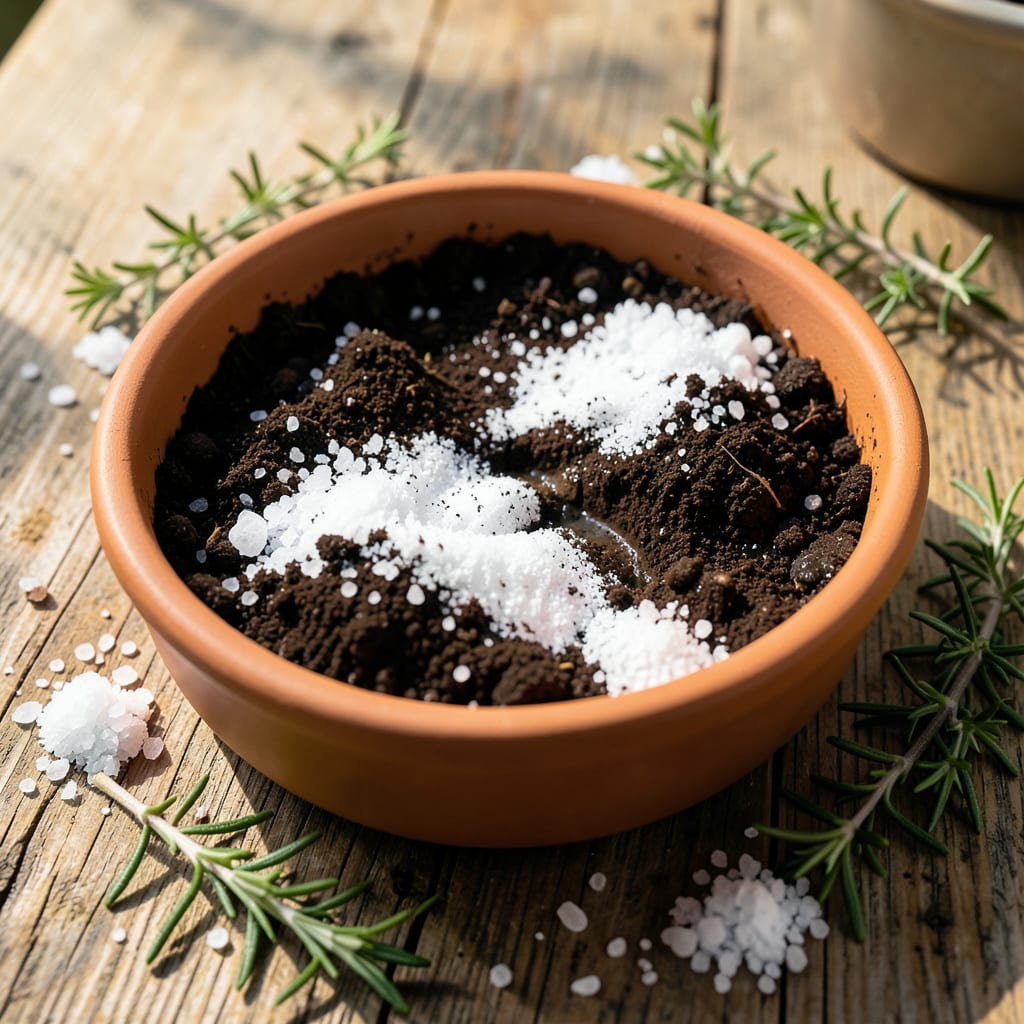
White soil in your garden beds is your plants’ SOS signal. I’ve seen this in my own raised beds after heavy watering or fertilizer use—it’s either fungal growth or mineral buildup trying to get your attention.
Fungus looks like white fuzz or mold, while mineral deposits appear as crusty, powdery residue. Both can block water and nutrients from reaching roots, stunting growth within weeks if ignored.
The fix is simpler than you think: adjust watering, test soil pH, or switch fertilizers. My tomato plants bounced back within 10 days after I flushed the soil and reduced watering frequency.
Prevention is even easier—proper drainage and regular soil testing keep this from happening again. Here’s what to do first.
White soil can be alarming, but it’s often a sign of one of several common issues. Below are the most likely culprits, each with a clear explanation to help you diagnose the problem.
White, thread-like strands or a powdery coating on the soil surface are typically mycelium, the vegetative part of fungi. This thrives in moist, organic-rich environments, especially if your soil has high organic matter (like compost or wood chips). While most fungal growth is harmless, excessive mycelium can compete with plants for nutrients. Improve drainage and reduce overwatering to curb its spread.
White crusty deposits often indicate salt buildup from hard water, fertilizers, or poor drainage. Tap water high in calcium or magnesium can leave behind lime (calcium carbonate) as it evaporates. Similarly, over-fertilizing—especially with synthetic products—can cause salt accumulation, which harms plant roots. Flush the soil with distilled water or use a soil amendment like gypsum to leach out excess salts.
In extreme heat or drought, soil can develop a white, ashy layer due to mineral oxidation or salt rising to the surface. This is common in clay-heavy or poorly aerated soils. Mulching and consistent watering can prevent the soil from drying out and minimize this effect.
White or grayish patches may also be actinomycetes, a type of bacteria that decomposes organic matter. These are beneficial for breaking down compost but can proliferate in overly damp conditions. Ensure proper airflow and avoid over-saturating the soil to keep their growth in check.
If your soil is turning white, the fix depends on the underlying cause. Here’s a practical, step-by-step guide to tackle the most common issues:
If the white layer is fuzzy or powdery, it’s likely fungus. Reduce moisture by letting the top inch of soil dry out between waterings. Improve airflow around your plants, and consider repotting with fresh, sterile potting mix. For severe cases, sprinkle a natural antifungal like cinnamon or a diluted hydrogen peroxide solution (1 part 3% peroxide to 4 parts water) over the soil.
Prevention tip: 💡 Avoid overwatering and ensure pots have drainage holes to prevent soggy soil.
White crusty deposits often mean excess salts or minerals from hard water or fertilizers. Flush the soil by running distilled or rainwater through the pot for 5-10 minutes, allowing it to drain completely. For potted plants, repot with fresh soil if buildup is severe. Use filtered or distilled water for future waterings.
Prevention tip: 🎯 Water deeply but less frequently to prevent salt accumulation, and fertilize sparingly.
In cold climates, white soil may indicate frost or dried-out minerals. Move plants indoors or to a warmer spot if frost is the issue. If dryness is the culprit, water thoroughly and add a layer of mulch to retain moisture. For mineral deposits, gently scrape off the white layer and improve soil health with compost.
Prevention tip: ✨ Use a moisture meter to monitor soil conditions and adjust your care routine accordingly.
Addressing the root cause quickly will restore your soil’s health and keep your plants thriving!
Most white fungal growth is harmless and actually helps break down organic matter. However, excessive growth can compete with roots for nutrients. Reduce watering and improve drainage to keep it in check.
Flush the soil with distilled water for 5-10 minutes to dissolve salts. For severe cases, repot with fresh soil. Use filtered water for future waterings to prevent recurrence.
Yes, overwatering forces minerals to the surface as water evaporates. Cut back on watering and ensure pots have drainage holes. Let the top inch of soil dry between waterings.
