
Beautiful Plants For Your Interior
Beautiful Plants For Your Interior
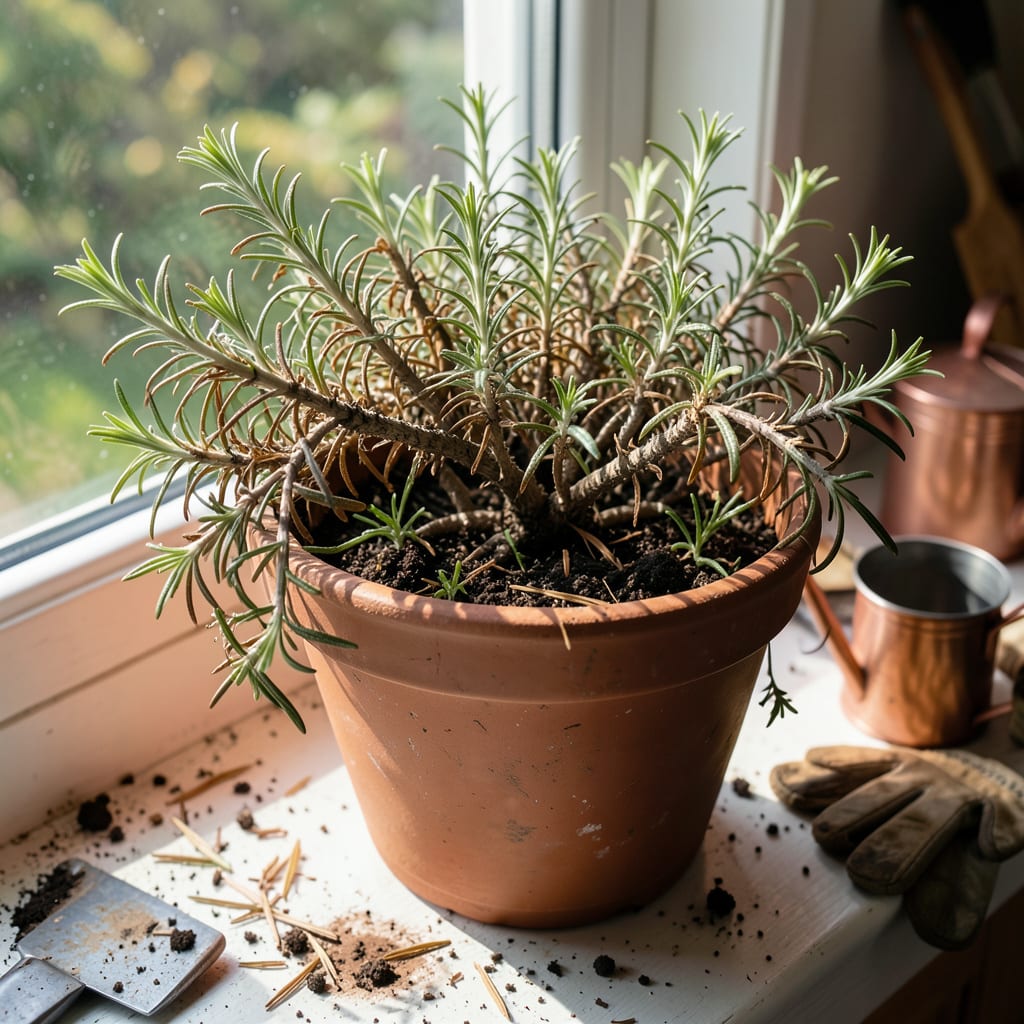
I’ve watched too many rosemary plants turn brown and crispy. Overwatering is the most common culprit, but poor drainage and lack of sunlight are close behind.
My first rosemary died within weeks because I treated it like a thirsty houseplant. Rosemary thrives on neglect, needing well-draining soil and 6-8 hours of sunlight daily. Too much love kills it faster than drought.
Yellowing leaves often signal root rot from soggy soil. Brown, brittle stems usually mean not enough water. The fix is simpler than you think: adjust your care, not your expectations.
With the right approach, you can nurse it back to health. Even severely stressed plants can recover with proper conditions and a little patience.
Rosemary is a hardy herb, but even the toughest plants can struggle under the wrong conditions. Below are the most frequent reasons your rosemary might be failing, along with the science behind each issue.
Rosemary is a Mediterranean native, adapted to dry, well-drained soils. Overwatering suffocates its roots by depleting oxygen in the soil, leading to root rot—a fungal infection caused by Phytophthora or Pythium species. These pathogens thrive in waterlogged conditions, breaking down root tissues and preventing nutrient uptake. Action: Water only when the top 1-2 inches of soil are dry, and ensure pots have drainage holes.
While rosemary tolerates drought, prolonged dryness stresses the plant, causing leaves to turn brown and brittle. This happens because the plant closes its stomata (tiny leaf pores) to conserve water, reducing photosynthesis. Over time, it weakens and may die back. Action: Water deeply but infrequently—about once every 1-2 weeks in hot climates, less in cooler weather.
Rosemary requires full sun (6-8 hours daily) to produce enough energy through photosynthesis. In low light, it becomes leggy, with sparse foliage and weak stems. This is due to etiolation, a growth response where plants stretch toward light, depleting their energy reserves. Action: Move your rosemary to a sunnier spot or supplement with grow lights.
Rosemary thrives in 60-75°F (15-24°C) but can suffer in temperatures below 30°F (-1°C) or above 90°F (32°C). Cold snaps cause frost damage, rupturing cell membranes, while extreme heat increases transpiration, leading to dehydration. Action: Mulch in winter for insulation and provide shade during heatwaves.
Rosemary prefers sandy, slightly alkaline soil (pH 6.0-7.0). Heavy clay or overly fertile soil retains moisture and can cause nutrient imbalances, such as nitrogen toxicity, which leads to excessive leafy growth at the expense of oils and structural integrity. Action: Amend soil with perlite or sand and avoid high-nitrogen fertilizers.
If your rosemary is struggling, don’t lose hope—most issues are fixable with a few simple adjustments. Below are targeted solutions for the most common problems, along with tips to keep your plant thriving long-term.
Rosemary hates soggy roots. If the soil feels damp or leaves are yellowing, stop watering immediately. Repot the plant in fresh, well-draining soil (mix in perlite or sand) and ensure the container has drainage holes. Water only when the top 1–2 inches of soil are completely dry.
Prevention tip: 💡 Use a moisture meter or the finger test to avoid overwatering. Terracotta pots help wick away excess moisture.
Leggy growth or pale leaves? Your rosemary needs 6–8 hours of direct sunlight daily. Move it to a sunnier windowsill or, if outdoors, to a spot with unfiltered light. Rotate the pot weekly for even exposure.
Prevention tip: 🎯 South-facing windows are ideal. In low-light climates, supplement with a grow light for 12 hours a day.
Rosemary wilts in extreme heat or cold. If temperatures drop below 30°F (-1°C), bring potted plants indoors. In scorching heat, provide afternoon shade and mulch to retain soil moisture.
Prevention tip: 🌡️ Acclimate indoor rosemary gradually to outdoor conditions in spring to avoid shock.
Spot spider mites or aphids? Wipe leaves with a soapy water solution (1 tsp mild soap per quart of water) or spray with neem oil. For severe infestations, prune affected areas and isolate the plant.
Prevention tip: ✨ Inspect new plants before bringing them near your rosemary, and keep the area clean of debris.
Rosemary thrives in lean, sandy soil with a pH of 6.0–7.0. Amend heavy or clay soil with compost and sand. Avoid fertilizer—rosemary prefers low-nutrient conditions.
Prevention tip: 🔥 Refresh the soil every 1–2 years to prevent compaction and nutrient buildup.
Water only when the top 1-2 inches of soil are completely dry. In hot climates, this means about once every 1-2 weeks. Overwatering is the most common mistake.
Leaves turn brown and brittle, and stems may become dry. The plant will feel crispy to the touch. Deep, infrequent watering is better than frequent light spritzes.
Yes, but it needs 6-8 hours of direct sunlight daily. Use a south-facing window or supplement with grow lights. Poor light causes leggy, weak growth.
Yellow leaves usually indicate overwatering or poor drainage. Stop watering immediately and check for root rot. Repot in fresh, well-draining soil if needed.
