
Beautiful Plants For Your Interior
Beautiful Plants For Your Interior
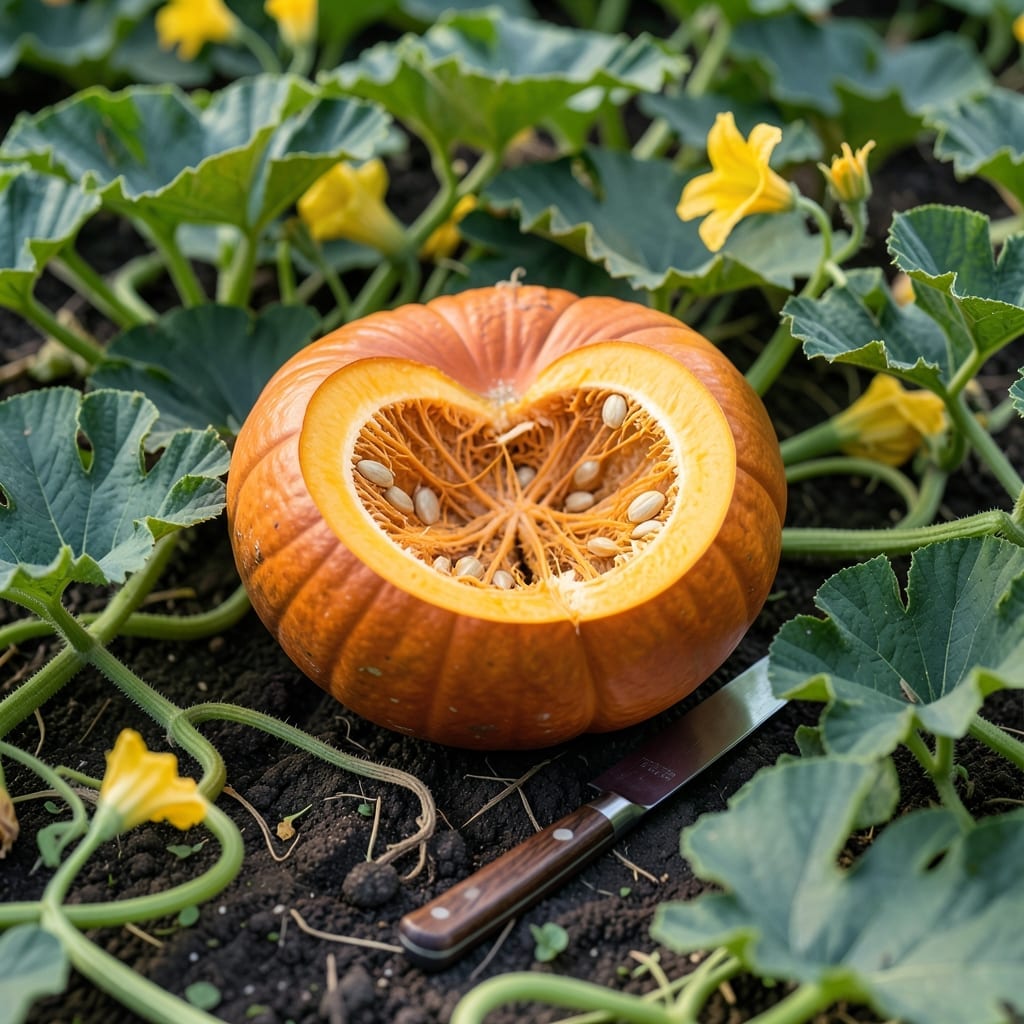
That stringy texture in your pumpkin isn’t a mistake—it’s probably the variety talking. Some pumpkins naturally develop strands like spaghetti squash, especially if they’re heirlooms or specialty types bred for texture.
I’ve grown both kinds and learned the hard way that harvest timing matters too. Pick too early or too late, and even the best varieties can turn fibrous. 3-4 weeks on the vine after full color usually hits the sweet spot.
Growing conditions play a role as well. Stress from inconsistent water or poor soil can push pumpkins toward that stringy trait. Keep them evenly moist and well-fed for the best flesh quality.
Check the seed packet next time—you might have planted a dual-purpose variety without realizing it. These often blur the line between pumpkin and squash on purpose.
If your pumpkin is stringy like spaghetti squash, the culprit is usually tied to its variety or growing conditions. Here’s why it happens:
Some pumpkins, like ‘Jarrahdale’ or ‘Long Island Cheese’, naturally develop a fibrous, stringy texture when overripe. These heirloom types share genetic traits with spaghetti squash, leading to a similar internal structure. If you planted a variety prone to this, the texture isn’t a flaw—it’s a feature!
Pumpkins left on the vine too long past their peak ripeness can become stringy. As the fruit ages, the flesh breaks down into coarse, spaghetti-like strands. This happens because cellulose fibers in the pumpkin walls thicken and separate, mimicking the texture of its squash cousins.
Stressful conditions—like inconsistent watering or poor soil fertility—can trigger abnormal flesh development. Drought or excessive nitrogen may cause the pumpkin to produce more vascular tissue (the “strings”), while a lack of potassium weakens cell structure, leading to a mushy yet fibrous interior.
Cross-pollination between pumpkins and spaghetti squash (both Cucurbita pepo species) can create hybrid fruits with mixed traits. If bees carried pollen between the two in your garden, the offspring might inherit the spaghetti squash’s signature strands.
If your pumpkin is turning out stringy like spaghetti squash, don’t worry—there are simple fixes and ways to prevent it next time. Here’s how to troubleshoot and adjust for better results.
Pumpkins left too long on the vine can develop a stringy, fibrous texture. Harvest earlier next season when the rind is hard and the stem is dry. Use a sharp knife to cut the pumpkin from the vine, leaving a few inches of stem intact. For this year’s crop, try roasting or pureeing the stringy flesh to soften the texture.
Fluctuations in moisture can stress the plant, leading to odd textures. Keep soil consistently moist (but not soggy) by watering deeply 1-2 times per week, especially during fruit development. Mulch around the base to retain moisture. If your pumpkin is already stringy, use it in soups or baked dishes where texture is less noticeable.
Some pumpkins are naturally more fibrous. If you dislike the texture, opt for meatier varieties like ‘Sugar Pie,’ ‘Cinderella,’ or ‘Jarrahdale’ next time. For current stringy pumpkins, try shredding the flesh for fritters or muffins—it’ll blend right in!
With these tweaks, you’ll grow pumpkins that are smooth, sweet, and perfect for pies—or at least know how to salvage the stringy ones! 💡
The texture might be different, but it’s still safe and nutritious. Try roasting or pureeing to soften the strands, or use it in soups and baked goods where texture matters less.
Harvest when the rind is hard and the stem is dry, usually 3-4 weeks after full color. Varieties like ‘Sugar Pie’ or ‘Cinderella’ are less likely to develop this texture.
Inconsistent watering (too much or too little) can stress the plant. Keep soil evenly moist, especially during fruit development, to avoid fibrous flesh.
Yes! If pumpkins and spaghetti squash cross-pollinate, the offspring may inherit the stringy trait. Check nearby plants next season.