
Beautiful Plants For Your Interior
Beautiful Plants For Your Interior
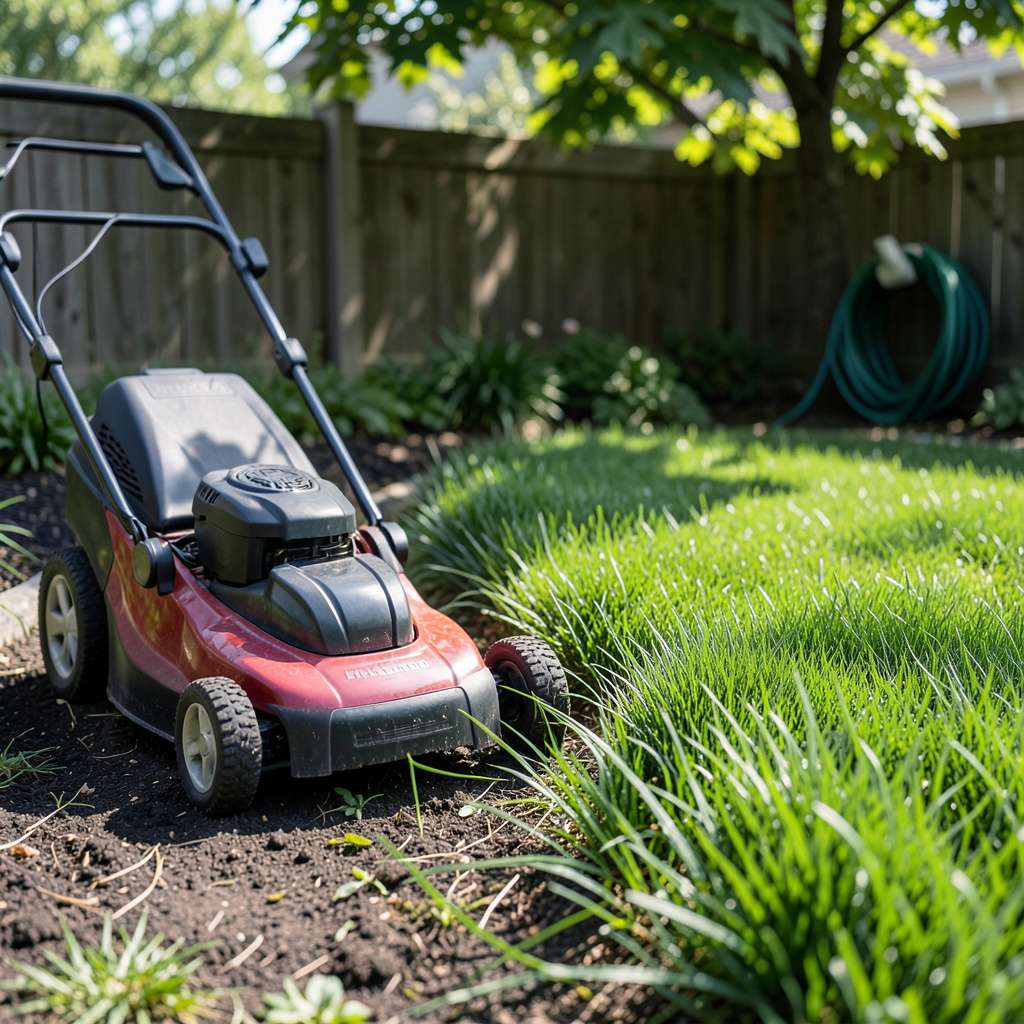
If your lawn mower turns over but won’t start, the most common causes are stale fuel, a clogged carburetor, a dirty spark plug, or insufficient air intake. Check these components first for a quick fix.
This frustrating issue often stems from how small engines handle fuel and airflow. 🔧 I’ve seen many cases where old gasoline—especially ethanol-blended fuel—degrades in as little as 30 days, leaving gummy deposits that clog the carburetor. The spark plug can also foul from oil residue or carbon buildup, while a dirty air filter chokes the engine’s oxygen supply. What’s tricky is that these problems can develop even if the mower ran fine last season.
Think of it like a chain reaction: the starter motor turns the engine (that’s why you hear cranking), but without proper fuel flow, spark, or air, combustion can’t happen. ✨ My rule of thumb? Always check the simplest fixes first—fresh fuel and a clean spark plug solve about 80% of no-start cases in my experience.
💡 In This Article
When your mower cranks but refuses to fire up, the issue almost always traces back to the combustion triangle: fuel, spark, or air. Modern small engines are surprisingly sensitive to fuel quality—ethanol-blended gasoline begins degrading within 30-60 days, forming varnish-like deposits that clog tiny carburetor jets.
These jets are often just 0.02 inches in diameter, so even microscopic buildup can starve the engine of fuel. 🔥
The carburetor’s role is to mix fuel with air in precise 14.7:1 ratio for ideal combustion. Ethanol attracts moisture from the air, creating a corrosive mixture that accelerates gum formation. I’ve seen carburetors so clogged they required complete disassembly—especially in mowers stored with old fuel over winter.
The float bowl often collects this gunk, preventing fuel from reaching the combustion chamber.
Spark plugs tell a story through their condition. A healthy plug has light tan deposits, while fouled plugs show black carbon (rich fuel mixture) or oily residue (engine flooding). The electrode gap should be 0.030 inches—too wide and the spark won’t jump, too narrow and it’s weak.
💫 Many overlook that spark plugs degrade even when unused; the electrodes corrode from humidity in as little as 6 months of storage.
Air filters act as the engine’s lungs. A clogged paper filter can reduce airflow by 50%, creating a rich fuel condition that floods the engine. Foam filters (common in push mowers) get saturated with oil and dirt, restricting airflow similarly.
What’s surprising is how quickly this happens—just 25 hours of mowing in dusty conditions can require filter replacement.
The interplay between these systems is delicate. For example, a partially clogged air filter forces the carburetor to compensate by enriching the fuel mixture, which then fouls the spark plug. This domino effect explains why multiple components often need attention simultaneously.
I’ve fixed “mysterious” no-start cases by simply replacing all three—the spark plug, air filter, and fuel—what we call the “triple threat reset.”
Temperature also plays a sneaky role. Cold mornings require richer fuel mixtures, which is why many mowers struggle to start in early spring. The carburetor’s choke plate should close completely when engaged—if it sticks open even 1/8 inch, the engine gets too much air and won’t fire.
✨ This is why professional mechanics always check choke operation during spring tune-ups.
Remove the plug and check its condition. A healthy plug has light tan deposits, while a fouled plug shows black soot (rich fuel) or oily residue (flooding). The electrode gap should be 0.030 inches—use a feeler gauge to verify. If the plug is damaged or the gap is incorrect, replacement is the best solution.
Ethanol-blended gasoline degrades in as little as 30 days, forming varnish that clogs tiny carburetor jets. These jets are often just 0.02 inches in diameter, so even small deposits block fuel flow. Always drain old fuel before storage and use fresh, ethanol-free gas for best results.
A clogged filter restricts airflow by up to 50%, creating a rich fuel condition that floods the engine. Paper filters should be tapped clean or replaced, while foam filters need washing with soapy water and re-oiling. Even 25 hours of mowing in dusty conditions can require filter attention.
The choke should be fully closed (engaged) when starting a cold engine to restrict airflow and create a richer fuel mixture. If it doesn’t close completely—even a 1/8-inch gap—the engine may not start. After starting, gradually open the choke as the engine warms up.
If you’ve checked the spark plug, fuel, air filter, and choke but the mower still won’t start, deeper issues like a faulty ignition coil or seized engine may be present. Professional mechanics have diagnostic tools to pinpoint these problems accurately, saving time and frustration.
