
Beautiful Plants For Your Interior
Beautiful Plants For Your Interior
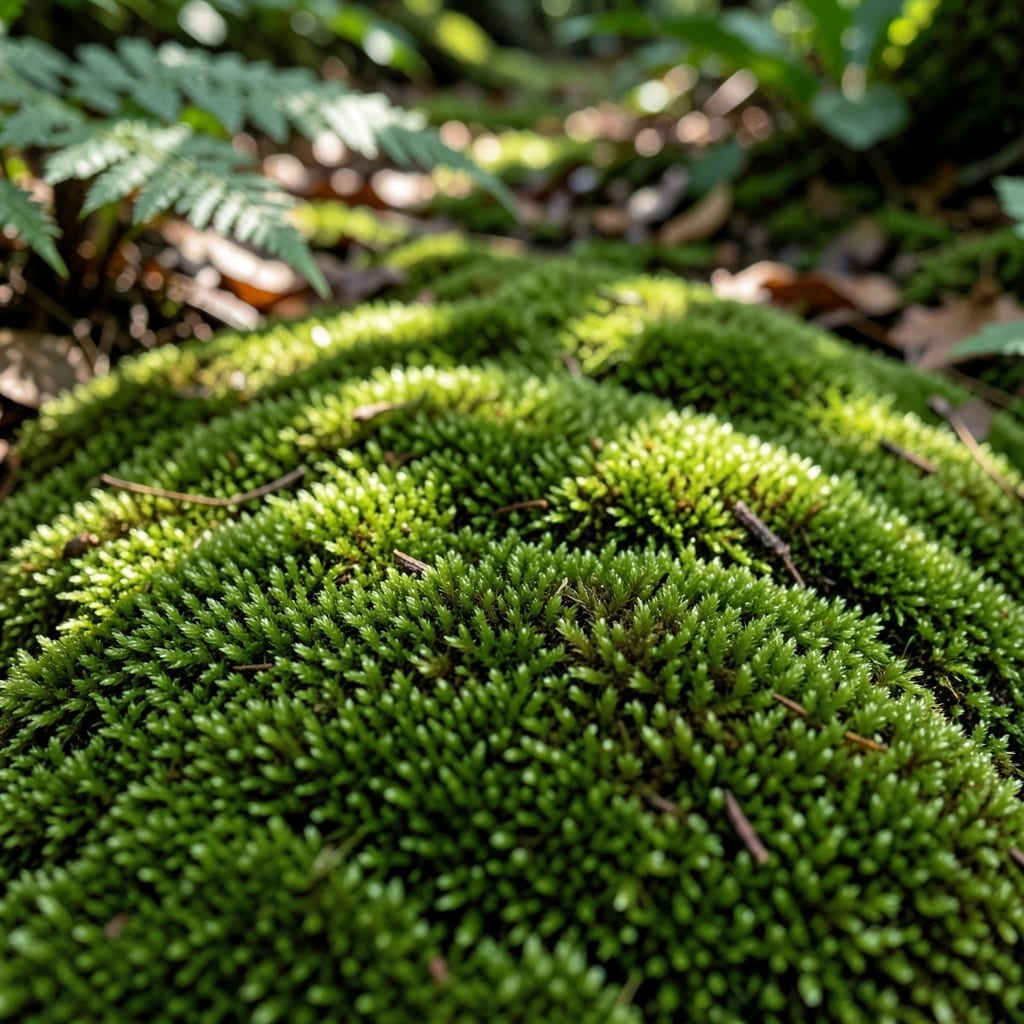
Moss in your yard isn’t a sign of failure—it’s nature’s way of filling a gap. I’ve battled this green invader in my own lawn, and the solution always starts with understanding why it moved in.
Too much shade and dampness create the perfect moss paradise. Your grass struggles where sunlight doesn’t reach, and moss happily takes over those moist spots. It’s not the enemy—it’s just the first plant brave enough to grow there.
Fixing it means improving conditions for grass, not just yanking moss out. Better drainage, more sunlight, and proper soil pH can turn the tide in your favor. The change won’t happen overnight, but it’s absolutely doable.
Small adjustments now prevent bigger problems later. Your lawn can reclaim that space with the right approach and a little patience.
Moss thrives in conditions that are less than ideal for most grasses. Understanding the root causes helps you tackle the problem effectively. Here are the primary reasons moss may be taking over your yard:
Moss loves low-light areas where grass struggles to grow. Trees, buildings, or fences can block sunlight, creating a cool, damp environment. Without 4–6 hours of direct sunlight daily, grass weakens, leaving bare spots for moss to colonize.
Compacted soil or low-lying areas with standing water create perfect moss habitats. When soil stays soggy, grass roots suffocate, but moss—which absorbs moisture directly—thrives. Poor drainage often results from heavy clay soil or improper grading.
Moss outcompetes grass in nutrient-poor, acidic soil (pH below 6.0). When soil lacks essential nutrients like nitrogen, phosphorus, or potassium, grass growth stalls, while moss, which requires minimal nutrients, spreads easily.
Foot traffic, heavy machinery, or clay-heavy soil can compress the ground, reducing oxygen and water penetration. Grass struggles in these conditions, but moss, which grows shallowly, takes hold in the tightly packed surface.
Regions with frequent rain, fog, or high humidity provide moss with the constant moisture it craves. Unlike grass, which needs periods of dryness, moss stays lush in consistently damp climates.
Moss thrives in damp, shady spots, but you can reclaim your yard with these targeted fixes. Below, we map each common cause to a practical solution—and share prevention tips to keep moss from returning.
If overhanging branches or dense shrubs block sunlight, moss will take over. Prune trees to let in more light, or thin out overgrown areas. Aim for at least 4–6 hours of sunlight daily. For stubborn shaded patches, consider planting shade-tolerant grass like fine fescue or switching to ground covers like clover.
Moss loves soggy soil. Aerate compacted areas with a garden fork or core aerator to help water drain. For low-lying spots, add topsoil or sand to level the ground. Installing a French drain or redirecting downspouts can also prevent water from pooling.
Prevention tip: 💡 Avoid overwatering, and water lawns in the early morning so grass dries quickly.
Moss often grows in acidic, nutrient-poor soil. Test your soil pH (aim for 6.0–7.0 for most grasses). If it’s too acidic, apply lime to raise the pH. For compacted or clay-heavy soil, mix in organic matter like compost to improve texture and fertility.
For small patches, rake it out by hand or use a dethatching rake. For larger areas, apply a moss killer (iron sulfate or potassium salts of fatty acids) and follow up with reseeding. Pro tip: ✨ Never let removed moss sit—it can regrow. Bag it and dispose of it immediately.
Prevention tip: 🎯 Overseed bare spots in fall or spring to crowd out moss before it starts.
Moss prefers shade but can survive in sunny spots if the soil stays consistently moist. It struggles in direct, prolonged sunlight without adequate water. In dry, sunny conditions, it will turn brown and dormant.
Lime adjusts soil pH but won’t kill active moss. Use it to prevent regrowth after removing moss and improving drainage. For existing patches, manual removal or moss-specific treatments work better.
Under ideal conditions, moss can spread rapidly within a few weeks. In damp, shaded areas with poor grass health, it may cover small patches in 2-3 months. Regular lawn maintenance helps slow its progress.