
Beautiful Plants For Your Interior
Beautiful Plants For Your Interior
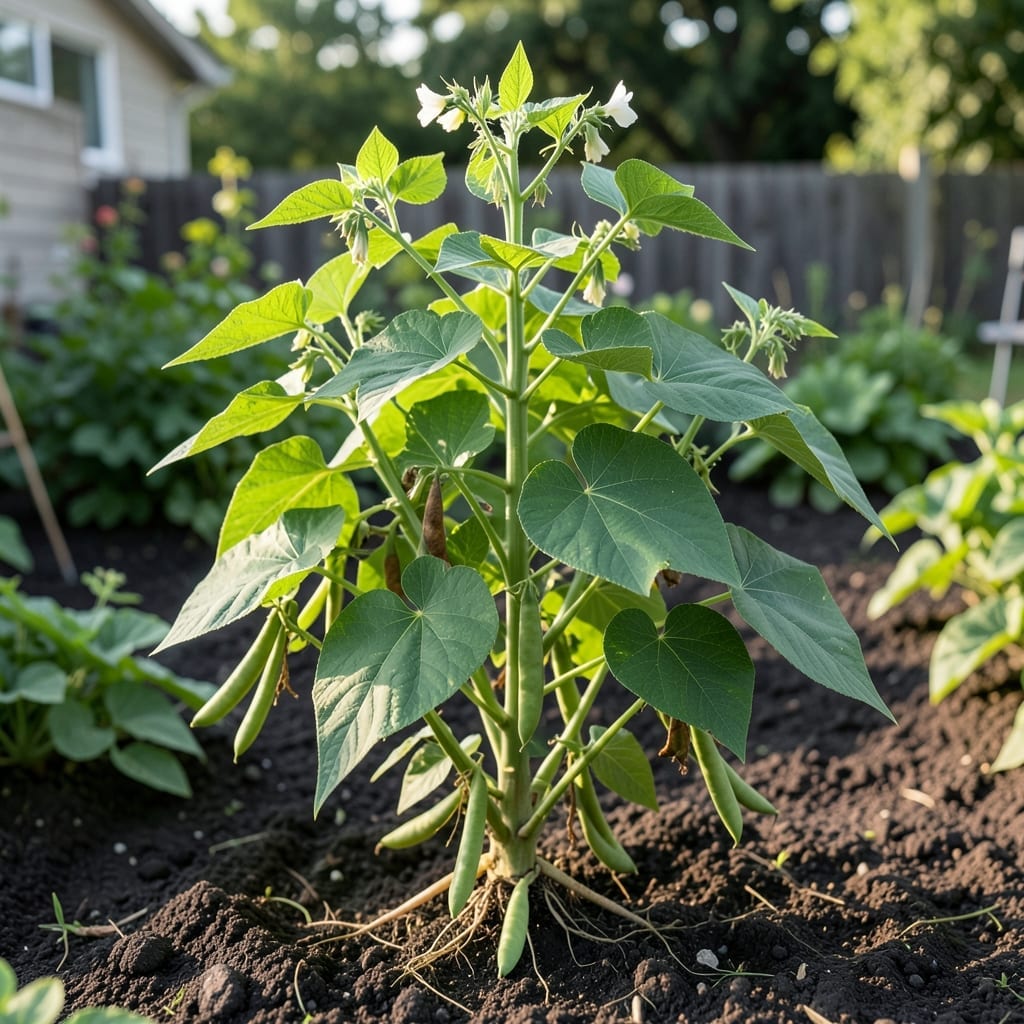
Brown leaves on your green beans mean something’s wrong, but don’t panic. I’ve saved more than a few bean crops by catching the early signs—yellowing edges, crispy tips, or sudden wilting usually appear before the full brown takeover.
Most cases trace back to three culprits: inconsistent watering, hungry pests hiding under leaves, or fungal diseases spreading from damp soil. The good news is each has a simple fix once you identify which one you’re dealing with.
You’ll see improvement within 3-5 days of addressing the root cause. The key is acting fast before the damage spreads to healthy parts of the plant.
Works for bush beans, pole beans, and even container-grown varieties. Here’s how to diagnose and treat each scenario.
Green beans turning brown is usually a sign of stress or damage. Here’s why it happens:
Excessive heat breaks down chlorophyll, the pigment responsible for the green color, and activates enzymes that cause browning. Boiling or steaming green beans for too long leads to oxidation, turning them dull or brown. Even prolonged exposure to high temperatures during storage (e.g., leaving them in a hot car) can trigger this reaction.
When green beans are cut, bruised, or damaged, their cells release polyphenol oxidase (PPO) enzymes. These enzymes react with oxygen in the air, leading to oxidation—the same process that turns apples brown. This is why pre-cut or roughly handled green beans often develop brown spots.
Storing green beans in inconsistent temperatures (e.g., alternating between cold and warm) accelerates spoilage. Cold temperatures slow enzyme activity, but freeze-thaw cycles or warmth can reignite oxidation, causing browning. Always store them in a consistently cool (32–40°F / 0–4°C) environment.
Too little moisture causes dehydration, making the pods shrink and darken. Conversely, excess moisture (e.g., from condensation in a sealed bag) promotes microbial growth, which can also lead to discoloration. Proper ventilation is key to maintaining freshness.
Pathogens like Botrytis or Alternaria can cause brown lesions on green beans. These infections often start as small spots and spread, especially in humid conditions. Inspect beans for mold or slimy textures, which indicate spoilage.
Don’t toss those beans just yet! Here’s how to rescue and prevent browning for each common cause.
If your green beans turned brown from too much heat, blanch them immediately in ice water to stop the cooking process. For future batches, cook them at a gentle boil for 3-5 minutes max or steam for 4-6 minutes. Pro tip: 💡 Add a pinch of baking soda to the water to help retain color.
For beans stored in the fridge, move them to a consistent cold spot (not the door) and keep them in a perforated bag to reduce moisture buildup. If browning is from freezer burn, trim the affected spots and use the rest in cooked dishes. Prevent it: ✨ Freeze beans in a single layer first, then transfer to airtight containers.
If your beans are older, revive them by trimming the ends and soaking in cold water for 10 minutes. For long-term storage, keep unwashed beans in a paper towel-lined container in the fridge for up to 5-7 days. Pro tip: 🎯 Buy fresher beans by checking for a bright green color and snappy texture.
At the first sign of spots, isolate the affected beans and discard any slimy or mushy ones. Wash the rest in a vinegar-water solution (1 tbsp vinegar per cup of water) to kill spores. Prevent future issues: 🌡️ Store beans dry and avoid overcrowding in containers.
For cut beans turning brown, dip them in lemon water or vinegar (1 tbsp per cup of water) for 5 minutes to slow oxidation. Best practice: 🔪 Only wash and trim beans right before cooking, not ahead of time.
Yes, if the browning is mild and there’s no slimy texture or foul odor. Trim the discolored parts and cook thoroughly. Always discard beans with mold or an off smell.
Store unwashed beans in a paper towel-lined container in the fridge for up to 5-7 days. Avoid sealing them in plastic bags, which traps moisture and speeds up spoilage.
Cutting exposes the beans to oxygen, activating enzymes that cause browning. Prevent this by soaking cut beans in lemon water or vinegar for 5 minutes before cooking.
Not always. Small brown spots may indicate aging or rough handling, but spreading brown lesions often signal fungal or bacterial infections. Isolate affected beans to prevent contamination.