
Beautiful Plants For Your Interior
Beautiful Plants For Your Interior
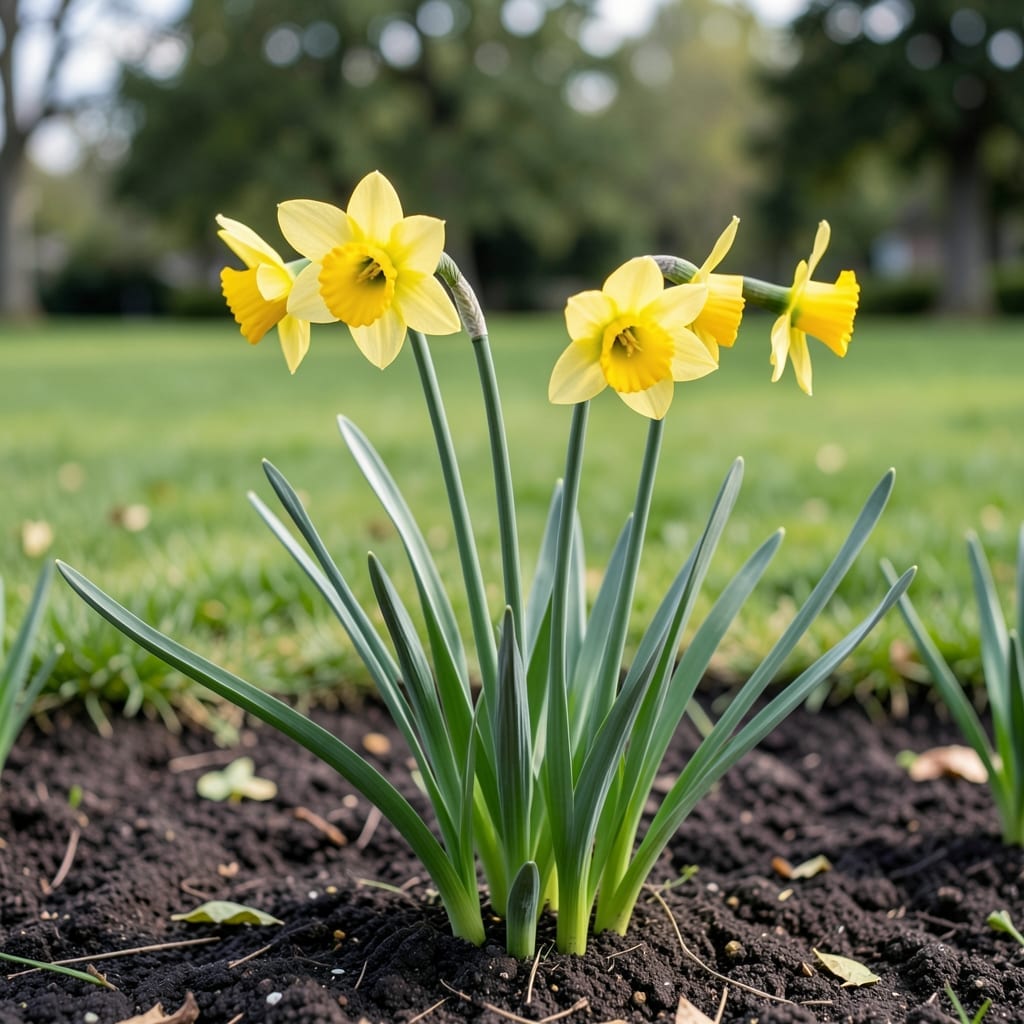
Drooping daffodils break my springtime heart. I’ve watched them perk up within 24 hours after fixing the problem, and you can too.
Usually it’s too much water or not enough light. The bulbs rot in soggy soil, or they stretch toward the sun like they’re begging for help. A quick soil check and a sunnier spot often solve it.
You’ll see the stems straighten and the flowers lift their faces as soon as the roots dry out or the light improves. It’s a fast, rewarding fix.
Prevent it next year with better drainage and full sun. Your daffodils will thank you with bright, upright blooms.
Drooping daffodils can be frustrating, but the issue usually stems from a few common environmental or care-related factors. Understanding the root cause is the first step to reviving your flowers. Below are the most likely culprits:
Daffodils thrive in well-drained soil. If the soil stays soggy, the bulbs can rot, leading to weak stems and drooping blooms. Overwatering disrupts oxygen flow to the roots, causing stress. Check the soil by inserting your finger 1-2 inches deep—if it feels waterlogged, reduce watering and improve drainage by mixing in sand or gravel.
Daffodils need full sun to partial shade (6+ hours of direct sunlight daily). Without enough light, they struggle to photosynthesize efficiently, resulting in weak, floppy stems. If your daffodils are planted under dense trees or in a shady corner, consider relocating them to a sunnier spot next season.
Sudden temperature swings, like a late frost or unseasonable heat, can shock daffodils. Cold snaps may damage emerging stems, while excessive heat can cause premature wilting. Protect bulbs with mulch in winter and ensure they’re planted at the correct depth (6 inches deep) to insulate against temperature fluctuations.
Daffodils deplete soil nutrients over time. A lack of phosphorus or potassium can lead to weak growth. After blooming, feed them with a balanced, low-nitrogen fertilizer (e.g., 5-10-10) to replenish the soil. Avoid high-nitrogen mixes, which promote leafy growth at the expense of strong stems.
Identify the issue, adjust your care routine, and your daffodils should perk up in no time!
Drooping daffodils can often be revived with a few simple adjustments. Below are targeted solutions for the most common causes, along with prevention tips to keep your blooms perky and vibrant.
If the soil feels dry 1-2 inches below the surface, your daffodils need water. Give them a deep soak at the base (avoid wetting the foliage) to encourage root absorption. Water early in the morning to reduce evaporation. Prevention tip 💡: Mulch around the base with organic material to retain moisture.
Soggy soil suffocates roots and causes drooping. Stop watering immediately and check for waterlogged soil. If the area is prone to poor drainage, amend the soil with sand or compost. For potted daffodils, ensure containers have drainage holes. Prevention tip 🌡️: Water only when the top inch of soil is dry.
If daffodils wilt in intense afternoon sun, relocate them to a spot with partial shade or use a shade cloth. Newly planted bulbs are especially vulnerable. Prevention tip ✨: Plant bulbs in areas with dappled sunlight or morning sun only.
Leggy, weak stems often mean insufficient light. Transplant bulbs to a sunnier location (6+ hours of light daily) in early fall for next year’s blooms. For potted daffodils, move them to a sunlit windowsill. Prevention tip 🎯: Rotate pots weekly for even exposure.
Yellowing leaves or stunted growth? Apply a balanced, low-nitrogen fertilizer (e.g., 5-10-10) in early spring as shoots emerge. Avoid high-nitrogen mixes, which promote foliage over flowers. Prevention tip 🌱: Mix compost into the soil at planting time for long-term nutrition.
Inspect bulbs and foliage for signs of pests (aphids, narcissus flies) or fungal diseases (gray mold). Remove affected parts immediately and treat with neem oil or a fungicide. Prevention tip 🛡️: Space bulbs 4-6 inches apart for airflow and rotate planting spots yearly.
Most daffodils show improvement within 24-48 hours once the root cause is addressed. If the problem was overwatering, they may recover even faster as the soil dries out.
Yes! Drooping doesn’t usually damage the bulb. As long as the foliage stays healthy for 6 weeks post-bloom, the bulb will store energy for next year’s flowers.
No—wait until the foliage turns yellow, usually 6-8 weeks after blooming. Cutting back too soon prevents the bulb from storing energy for next season.
Pots often have poor drainage or dry out too quickly. Ensure containers have drainage holes and check soil moisture daily. Potted bulbs also need more frequent fertilizing.