
Beautiful Plants For Your Interior
Beautiful Plants For Your Interior
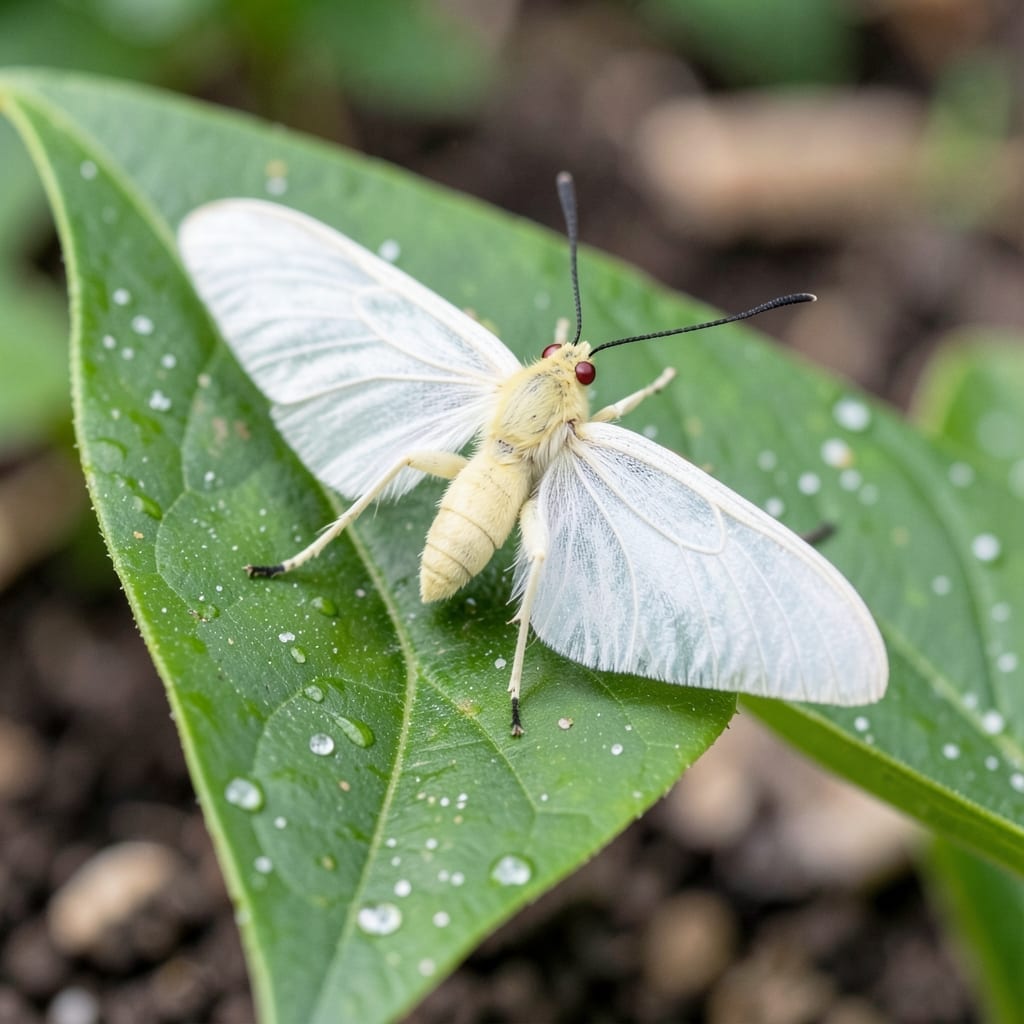
Spotted tiny white-winged bugs on your plants? Don’t panic. I’ve dealt with these pests in my garden and learned how to spot them fast before they spread.
They cluster under leaves, fly up when disturbed, and leave sticky residue behind. Early identification means easier control. Most gardeners miss them until damage appears.
Safe removal starts with manual picking or a strong water blast. For bigger infestations, organic soaps or oils work without harming plants. Chemical options exist but aren’t always needed.
Works for tomatoes, roses, and many ornamentals. Here’s how to handle them before they take over your garden.
White winged insects, such as Bemisia tabaci (whiteflies) or Aleyrodidae family members, thrive due to specific environmental and biological factors. Below are the primary causes of their emergence in gardens, homes, or agricultural settings.
These insects prosper in temperatures between 70–85°F (21–29°C) with high humidity (60–80%). Warm climates accelerate their reproductive cycles, allowing populations to explode. Greenhouses and indoor plants are especially vulnerable if ventilation is poor.
Stressed or densely packed plants emit volatile organic compounds that attract white winged insects. Over-fertilization (especially with nitrogen) also softens plant tissues, making them easier to pierce and feed on. Prune regularly and space plants to improve airflow.
In balanced ecosystems, ladybugs, lacewings, and parasitic wasps keep whitefly numbers in check. However, pesticide overuse can kill these beneficial predators, leading to unchecked infestations. Opt for integrated pest management (IPM) to preserve natural controls.
Growing a single crop type (e.g., tomatoes or cotton) creates an ideal, undiversified food source for whiteflies. Rotate crops and interplant with repellent species like marigolds or basil to disrupt their lifecycle.
Actionable Tip: Introduce yellow sticky traps to monitor and reduce adult populations early.
Dealing with these pests requires quick, targeted action. Below are practical solutions mapped to common causes, along with prevention tips to keep them from returning.
White winged insects thrive in damp soil. Let the top inch of soil dry out between waterings, and ensure pots have drainage holes. Use a moisture meter to avoid guesswork. Prevention tip: Water plants early in the day so excess moisture evaporates by evening.
Fallen leaves, decaying mulch, or compost piles attract these pests. Remove plant debris regularly and keep garden beds tidy. Prevention tip: Use a thin layer of inorganic mulch (like gravel) to discourage nesting.
Check for cracks in windows, doors, or screens. Seal gaps with caulk or fine mesh. For greenhouses, install sticky traps near vents to catch adults before they lay eggs. Prevention tip: Inspect entry points monthly during warm seasons.
Move affected plants away from healthy ones. Wipe leaves with a soap-water solution (1 tsp mild soap per quart of water) to remove eggs and nymphs. For severe cases, use neem oil or insecticidal soap, following label instructions. Prevention tip: Quarantine new plants for 2 weeks before introducing them to your garden.
Encourage beneficial insects like ladybugs, lacewings, or parasitic wasps by planting pollinator-friendly flowers (e.g., marigolds, alyssum). These predators feed on white winged insect eggs and larvae, reducing their numbers naturally.
They love tomatoes, roses, and ornamentals. Also common on peppers, cucumbers, and leafy greens. Check undersides of leaves weekly for early signs.
A female can lay 200-400 eggs in her lifetime, hatching in 5-10 days. Populations explode quickly in warm, humid conditions.
No, they don’t bite or spread disease to people. But their sticky honeydew can attract mold, which may trigger allergies.
In cold climates, they die off but eggs may overwinter. In greenhouses or warm regions, they stay active year-round.