
Beautiful Plants For Your Interior
Beautiful Plants For Your Interior
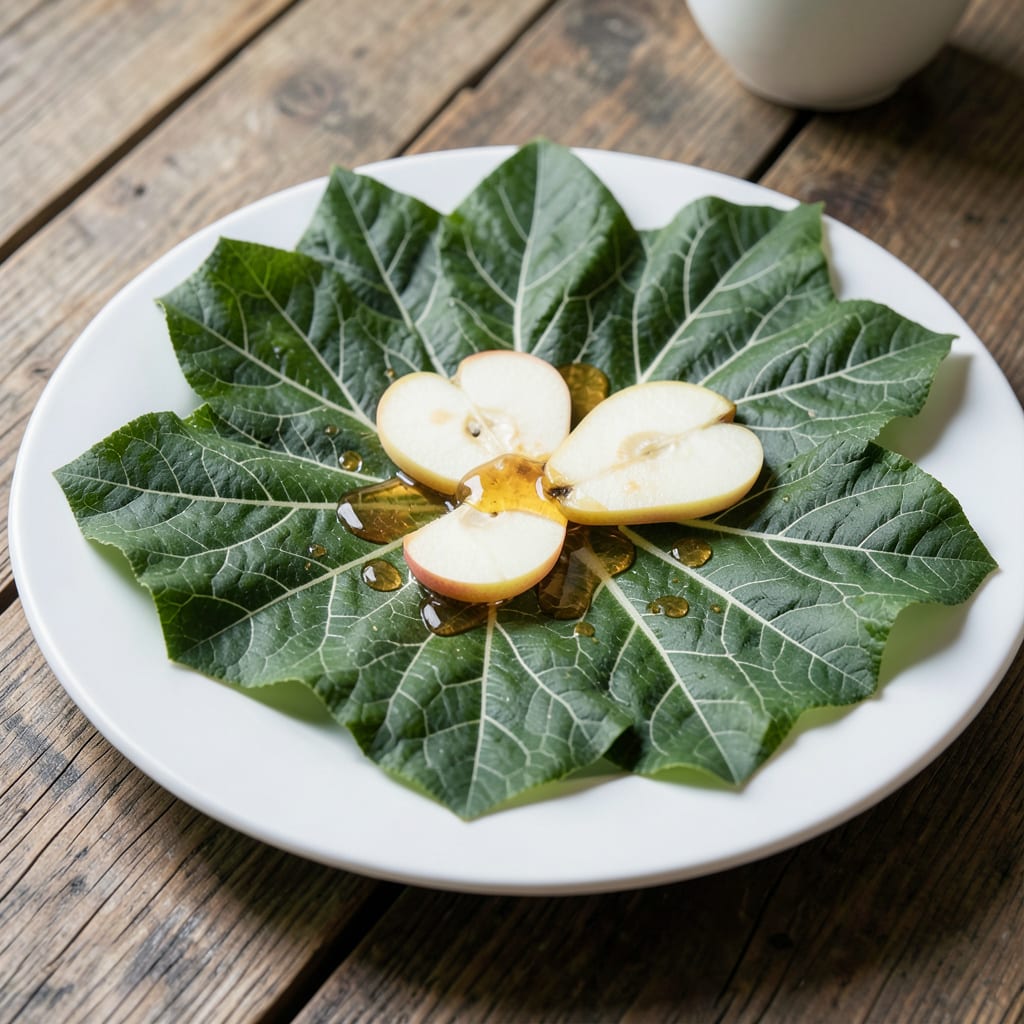
Noticed white veins on your pumpkin leaves? Don’t panic—I’ve been there. It’s usually a sign of nutrient deficiency or a sneaky virus trying to take hold.
I first spotted this in my patch last summer. Turns out, it was a magnesium shortage in the soil. A quick soil test and some Epsom salt fixed it in under a week.
Other times, it’s cucumber mosaic virus. That one’s tougher, but removing infected plants early saves the rest. Organic sprays like neem oil can help prevent the spread.
Either way, catching it fast means your pumpkins still have a fighting chance. Here’s how to diagnose and treat it for good.
White veins on pumpkin leaves often signal underlying issues that disrupt chlorophyll production or nutrient flow. Here are the primary causes, explained with actionable insights:
Magnesium or Iron Shortages are common culprits. These nutrients are essential for chlorophyll synthesis. When deficient, veins may remain green while the surrounding tissue turns yellow or white. Test soil pH (ideal range: 6.0–6.8); acidic or alkaline conditions can lock out these nutrients. Fix with Epsom salt (magnesium sulfate) or chelated iron supplements.
Powdery Mildew or Downy Mildew can create white, vein-like patterns as fungi colonize leaf surfaces. These thrive in humid, poorly ventilated environments. Look for fuzzy white growth or yellow spots. Treat with neem oil or copper-based fungicides, and improve airflow around plants.
Spider Mites or Aphids sap nutrients from leaves, causing stippling or white veining as cells collapse. Check leaf undersides for tiny webs or clusters of insects. Blast them off with water or apply insecticidal soap early in the infestation.
Excessive Sunlight or Heat Stress can bleach veins, especially in young leaves. Pumpkins prefer full sun but may scorch in extreme conditions. Provide shade cloth during peak heat (above 90°F/32°C) and ensure consistent watering to prevent stress.
Addressing these causes early can restore leaf health and protect your harvest. Always confirm the diagnosis by examining leaf patterns and growing conditions closely.
Addressing white veins on pumpkin leaves depends on the root cause, but these targeted fixes can restore your plants’ health. Follow the steps below for each scenario, and include prevention tips to keep your pumpkin patch thriving.
If the issue stems from a lack of magnesium or iron, amend the soil with Epsom salt (1 tablespoon per gallon of water) for magnesium or chelated iron for iron deficiency. Apply as a foliar spray or soil drench every 1-2 weeks until veins return to green.
Prevention: Test soil annually and add compost or balanced organic fertilizer before planting. 💡 Pro Tip: Mulch with banana peels for a slow-release potassium boost!
For powdery mildew or downy mildew, mix 1 teaspoon baking soda + 1 quart water + a few drops of dish soap and spray affected leaves weekly. Remove severely infected leaves to prevent spread.
Prevention: Space plants 3-4 feet apart for airflow, water at the base (avoid wetting leaves), and rotate crops yearly. ✨ Pro Tip: Plant resistant varieties like ‘Jarrahdale’ or ‘Cinderella’.
If spider mites or aphids are sucking sap, blast them off with water or apply neem oil (1 tablespoon per gallon of water + ½ teaspoon mild soap) every 5-7 days. Introduce beneficial insects like ladybugs for long-term control.
Prevention: Inspect leaves weekly for pests and encourage biodiversity with companion plants like marigolds or nasturtiums. 🎯 Pro Tip: Yellow sticky traps can catch aphids early!
If extreme heat or cold is the culprit, provide shade cloth during peak sun or use row covers for frost protection. Ensure consistent moisture—1-2 inches of water per week—to avoid drought stress.
Prevention: Plant pumpkins in well-draining soil and use drip irrigation to maintain even moisture. 🌡️ Pro Tip: Mulch with straw to regulate soil temperature.
Not necessarily! Mild cases often resolve with simple fixes like Epsom salt for magnesium. Severe cases, like advanced mosaic virus, may require removing the plant to protect others.
With nutrient fixes, you may see improvement in 3-7 days. Fungal treatments take 1-2 weeks to show results. Pests often clear up within 5-7 days of treatment.
Yes, if the issue is nutritional or environmental. For viral infections, the pumpkins are safe to eat, but the plant’s yield may suffer. Always wash produce thoroughly.
