
Beautiful Plants For Your Interior
Beautiful Plants For Your Interior
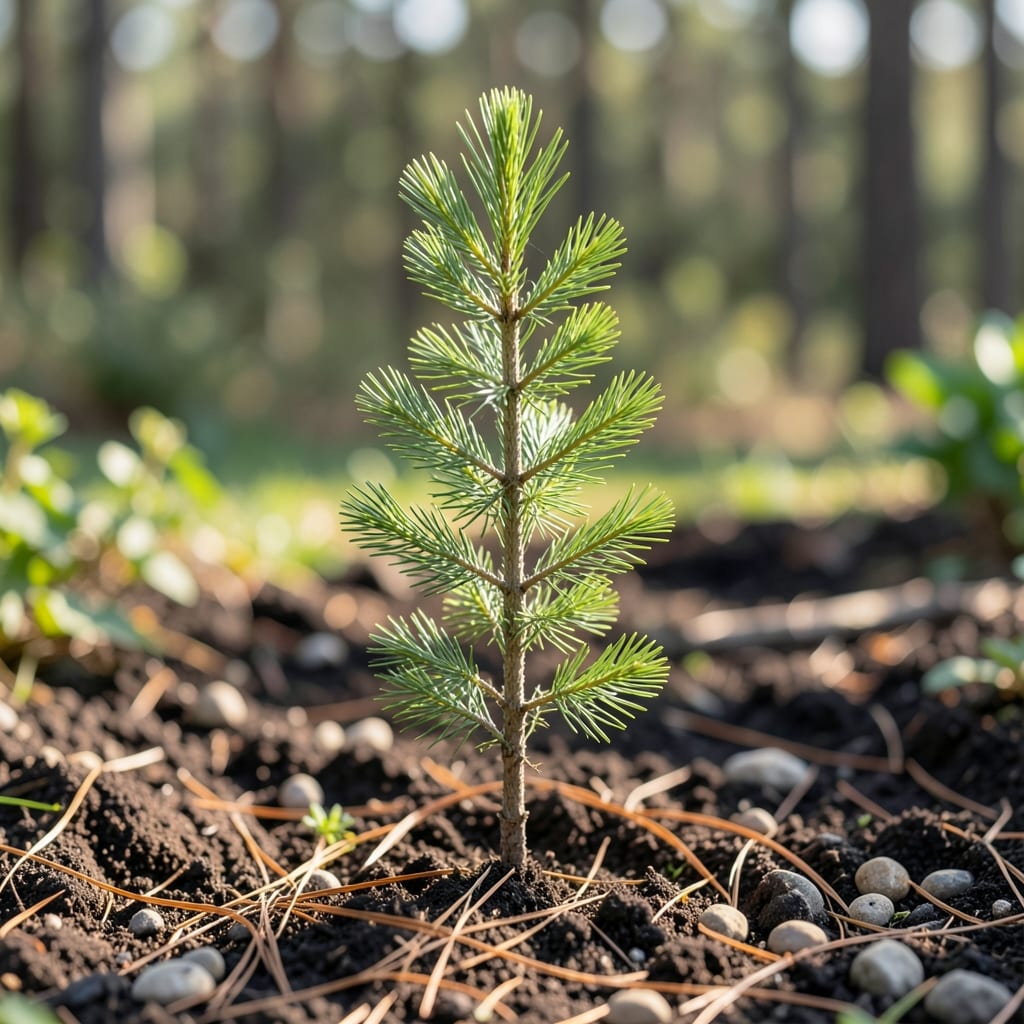
White spruce seedlings transform a barren corner of your yard into a living legacy. I’ve watched these slow-growing evergreens start as delicate shoots and mature into 50-foot giants that outlive me.
They’re tough once established but need the right start: well-drained soil, full sun, and protection from wind. The payoff is a tree that thrives through drought, cold, and poor soil—with almost no care.
📚 In This Guide
Here’s how I nurture white spruce seedlings into strong, healthy trees with minimal stress.
White spruce seeds require cold stratification to break dormancy. I mix the seeds with slightly damp peat moss or sand in a sealed plastic bag and refrigerate them at 35-40°F for 30-60 days. This mimics winter conditions and signals the seeds that it’s time to germinate.
Check the bag weekly to ensure the medium stays moist but not soggy. If you see any mold, remove the seeds, rinse them, and restart the process with fresh medium. Proper stratification dramatically improves germination rates and ensures uniform growth.
After stratification, sow the seeds in a well-draining seed-starting mix in shallow trays or small pots. Press each seed lightly into the soil at a depth of about ¼ inch—just enough to cover it without smothering. Space seeds 1 inch apart to allow room for early growth.
Place the trays in a location with consistent 60-70°F temperatures and indirect light. I use a seedling heat mat to maintain even warmth, which speeds up germination. Keep the soil consistently moist but avoid waterlogging, as this can lead to damping-off disease.
Once seedlings emerge (typically in 2-4 weeks), move them to a spot with bright, indirect light. Direct sunlight can scorch tender young leaves, so a north-facing window or a shaded spot outdoors works well. If natural light is insufficient, use a full-spectrum grow light for 12-14 hours daily.
Ensure good air circulation by gently brushing the seedlings with your hand or a soft brush daily. This mimics wind and strengthens the stems, preventing them from becoming leggy. I also thin seedlings to 2-3 inches apart once they develop their first set of true leaves to reduce competition.
When seedlings are 2-3 inches tall and have developed several sets of true leaves, begin hardening them off. Place them outdoors in a sheltered, shaded spot for 1-2 hours the first day, gradually increasing exposure to sun and wind over 7-10 days.
Transplant the seedlings into individual pots or a prepared garden bed with well-draining, slightly acidic soil. Dig a hole slightly larger than the root ball, place the seedling in, and gently firm the soil around the base. Water deeply after transplanting to help settle the soil and eliminate air pockets.
Keep the soil consistently moist for the first 2-3 weeks after transplanting to help the seedlings establish strong root systems. After this period, you can reduce watering frequency but ensure the soil never dries out completely.
Small adjustments during stratification and early growth make all the difference between weak and vigorous seedlings.
The Stratification Window: That 30-60 day cold period at 35-40°F is non-negotiable for breaking dormancy. I’ve found that seeds stratified for the full 60 days germinate more uniformly, but even 30 days will trigger the process if you’re short on time. Check weekly—if the peat moss or sand feels dry, mist it lightly to maintain moisture without soaking.
Sowing Depth Precision: Planting seeds at exactly ¼ inch depth ensures they’re covered enough to stay moist but shallow enough to breaks through the soil easily. Any deeper, and you risk weak sprouts that can’t push through. Use a ruler for accuracy in Step 2—it’s worth the extra second.
Light and Circulation: Once seedlings emerge in 2-4 weeks, the 12-14 hours of daily light from a full-spectrum grow light prevents leggy growth. Pair this with daily brushing to simulate wind, which strengthens stems. Skipping either step often results in tall, flimsy seedlings that topple over.
Hardening Off Patience: The 7-10 day hardening period in Step 4 can’t be rushed. Start with just 1-2 hours of outdoor exposure on day one, even if it feels slow. Seedlings exposed too quickly to direct sun or wind often experience shock, setting their growth back by weeks.
Water young seedlings weekly (1–2 inches) during dry spells, ensuring soil stays moist but not soggy. Overwatering can cause root rot, so check soil moisture before watering.
Plant in early spring or fall to avoid heat stress. Cooler temperatures and consistent moisture help seedlings establish strong roots before extreme weather.
Yes, but use large containers (5+ gallons) with well-draining soil. Transplant to the ground within 1–2 years to prevent root binding. Potted seedlings need frequent watering.
Brown needles often signal drought, frost damage, or fungal diseases like needle cast. Inspect for pests, adjust watering, and ensure proper airflow to revive them.
Consider black spruce or Norway spruce—they’re hardy, drought-resistant, and thrive in similar conditions. Always match alternatives to your soil type and sunlight exposure.