
Beautiful Plants For Your Interior
Beautiful Plants For Your Interior
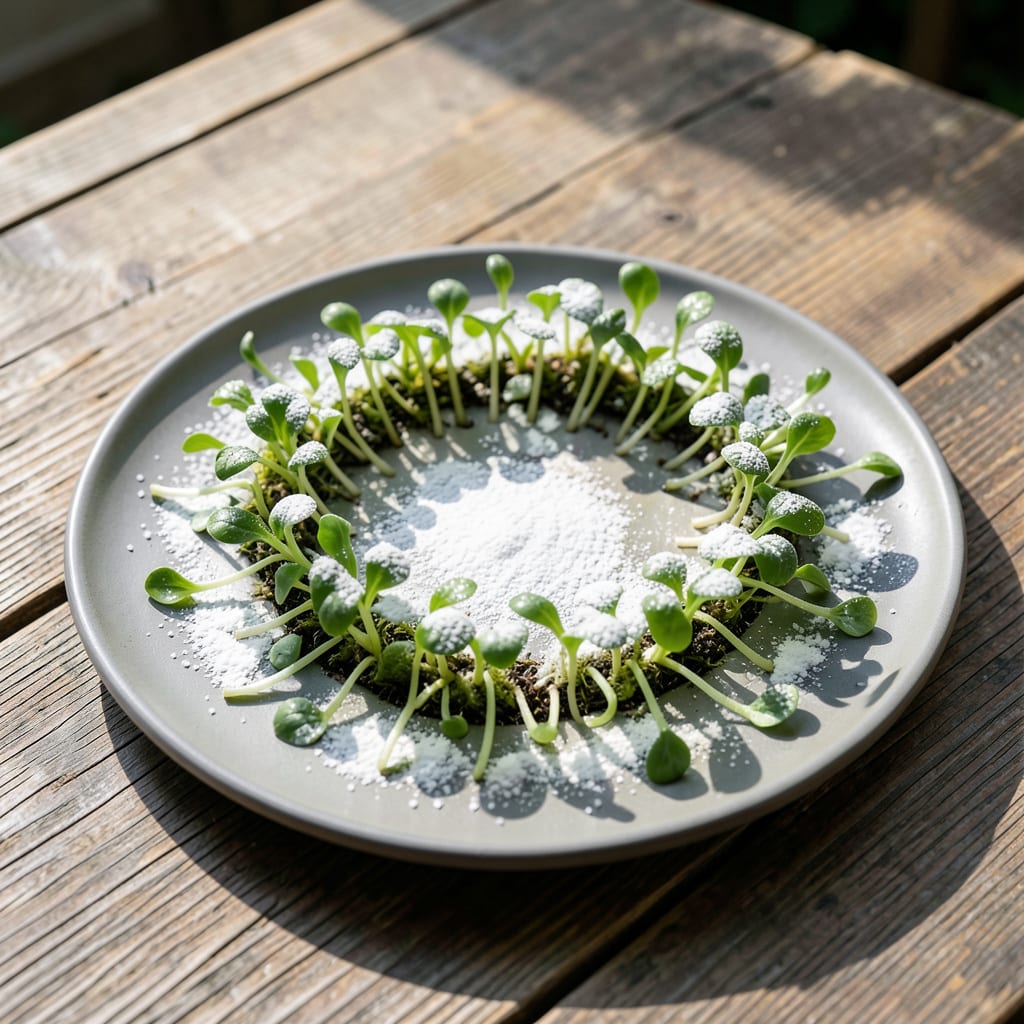
White dust on your baby plants isn’t just unsightly—it’s a warning sign. I spotted this on my tomato seedlings last spring and panicked, but the fix was simpler than I expected.
Most cases are powdery mildew, a fungal issue that thrives in damp, poorly ventilated conditions. Sometimes it’s mineral residue from hard water or over-fertilizing, but the solution starts the same: improve airflow and check your water.
You can treat it with a baking soda spray or neem oil, both organic and effective. Prevention is even better—space seedlings properly, water at the base, and avoid overhead misting.
Within 3-5 days of treatment, you’ll see improvement. Caught early, your seedlings will bounce back stronger without chemical intervention.
The appearance of white powder on seedlings is often a sign of underlying issues, usually tied to environmental conditions or fungal growth. Below are the most common causes, explained scientifically and with actionable insights.
Powdery mildew is a widespread fungal disease caused by pathogens like Podosphaera or Erysiphe species. These fungi thrive in high humidity (60-80%) and moderate temperatures (60-80°F). Spores land on seedling leaves, germinate, and form a white, powdery coating that disrupts photosynthesis. Overcrowded seedlings or poor air circulation accelerate its spread.
Excess moisture from overwatering or poor drainage creates a damp environment ideal for fungal growth. Seedlings with waterlogged roots or consistently wet foliage are prime targets for white powdery substances, including mildew or even mineral deposits from hard water. Ensure pots have drainage holes and water only when the top inch of soil is dry.
Greenhouses or indoor setups with stagnant air and low light can trap moisture around seedlings. This not only promotes fungal spores but also weakens seedlings, making them more susceptible. Use a small fan to improve airflow and supplement with grow lights if natural light is insufficient.
If your water source is hard (high in calcium or magnesium), evaporation can leave behind a chalky white residue on leaves. This is not a disease but can mimic powdery mildew. Switch to distilled or rainwater for watering to prevent buildup.
Here’s how to tackle each cause of that mysterious white powder on your seedlings, with simple, organic fixes and prevention tips to keep them healthy.
Fix: Mix 1 tablespoon of baking soda, 1 teaspoon of insecticidal soap, and 1 gallon of water. Spray the solution on affected seedlings every 5-7 days until the powder disappears. Remove heavily infected leaves to prevent spread.
Prevention: Improve air circulation by spacing seedlings properly. Water at the base in the morning so foliage dries quickly. Avoid overhead watering.
Fix: Dab mealybugs with a cotton swab soaked in 70% rubbing alcohol. For larger infestations, spray with a mixture of 1 cup of alcohol and 1 quart of water. Repeat every few days until gone.
Prevention: Inspect new plants before introducing them to your garden. Use reflective mulches to deter pests, and encourage natural predators like ladybugs.
Fix: Wipe leaves gently with a damp cloth to remove residue. Switch to distilled or rainwater for misting and watering.
Prevention: Use a water filter if your tap water is hard. Avoid letting water sit on leaves for extended periods.
Fix: Let the soil dry out between waterings. Repot seedlings in well-draining soil and containers with drainage holes if they’re waterlogged.
Prevention: Use a moisture meter to check soil dampness before watering. Ensure pots have drainage holes and use a gritty potting mix.
💡 Pro tip: Always sterilize tools and pots between uses to prevent disease spread. Healthy, stress-free seedlings are less likely to fall victim to pests or fungi!
Not always. While powdery mildew is common, it could also be mineral deposits from hard water or even mealybugs. Check for webbing or cottony clusters to confirm pests.
With proper treatment like a baking soda spray, you should see improvement in 3-5 days. Severe cases may take up to 2 weeks for full recovery. Consistency is key.
Ensure good airflow, avoid overhead watering, and space seedlings properly. A small fan can reduce humidity and deter fungal growth effectively.
Yes, if caught early. Remove heavily damaged leaves and treat promptly. Most seedlings bounce back with no long-term harm when conditions improve.
