
Beautiful Plants For Your Interior
Beautiful Plants For Your Interior
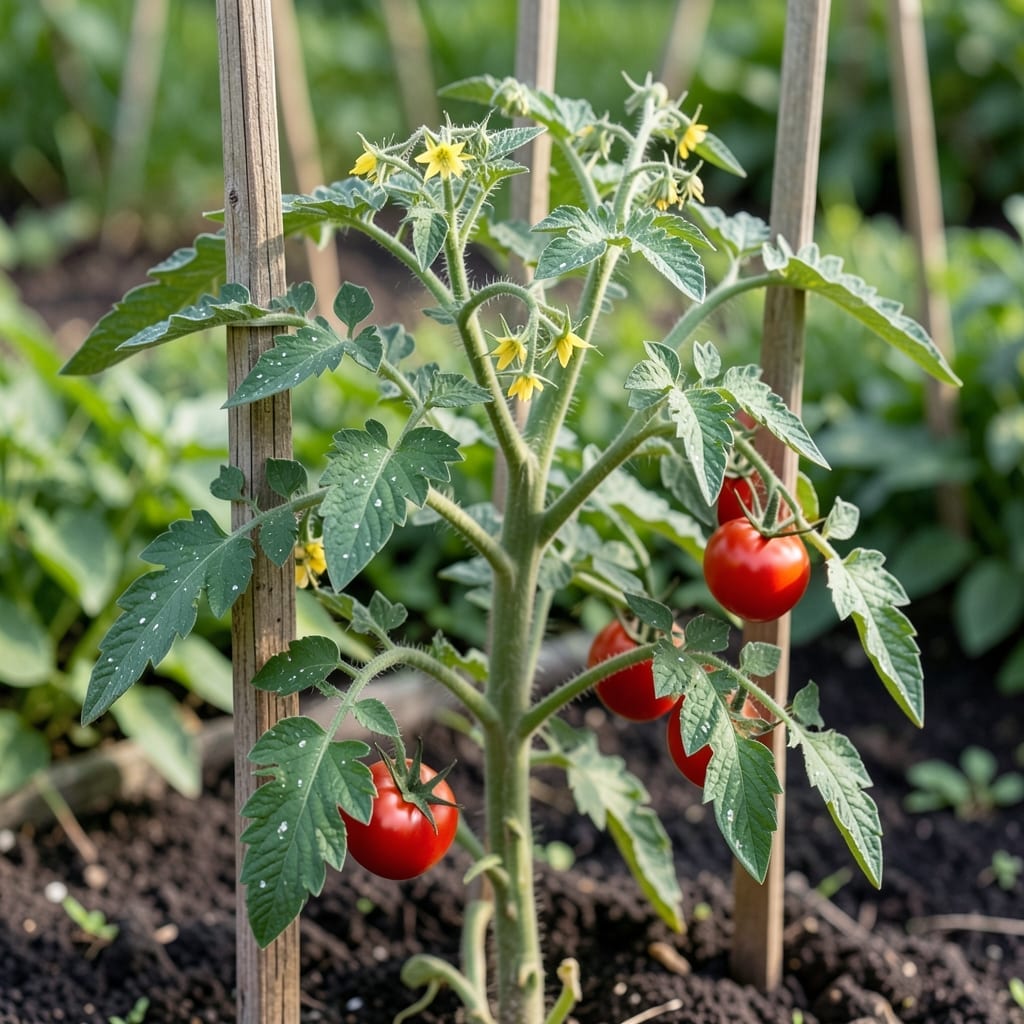
White spots on your tomato leaves aren’t just unsightly—they’re a warning sign. I’ve seen these appear overnight and spread fast, turning healthy plants into struggling ones in days.
Most often, it’s powdery mildew or early blight, but pests like whiteflies or even sun scald can cause similar marks. The good news? Catching it early means you can still save your crop with simple fixes.
Organic remedies like neem oil or baking soda sprays work wonders if applied right. I’ve rescued entire patches with just a weekly spray and better airflow around the plants.
Prevention is easier than cure. Proper spacing, consistent watering, and removing affected leaves early keeps this from becoming a recurring nightmare.
White spots on tomato leaves are a red flag for several underlying issues, often tied to environmental stress, pests, or disease. Here’s a breakdown of the most common causes, explained scientifically and actionably.
Powdery mildew (Oidium or Leveillula spp.) is a frequent culprit. This fungus thrives in high humidity (70-90%) and moderate temperatures (60-80°F), forming white, powdery patches as it colonizes leaf surfaces. Spores spread via wind or splashing water, so improving airflow and avoiding overhead irrigation can halt its progress.
Whiteflies and spider mites leave behind sticky honeydew or fine webbing, which can appear as white stippling. Whiteflies pierce leaf cells to feed, while spider mites suck out chlorophyll, causing chlorotic (yellow-white) speckling. Check leaf undersides for tiny insects or eggs—neem oil or insecticidal soap can disrupt their life cycles.
Sunscald or heat stress can bleach leaf tissue, creating irregular white patches. This happens when tomatoes are exposed to intense sunlight (above 90°F) without adequate water or shade. Mulching and consistent watering help regulate soil temperature and moisture. Similarly, nutrient deficiencies (e.g., magnesium or iron) may cause interveinal chlorosis, where veins stay green but surrounding tissue turns white or yellow.
Pesticide burn or foliar spray residues (e.g., from copper fungicides) can create localized white or necrotic spots. Always follow label rates and spray during cooler parts of the day to minimize phytotoxicity. Physical damage, like hail or rough handling, can also wound leaves, inviting secondary infections that manifest as white spots.
Dealing with white spots on your tomato leaves? Here’s how to tackle each common cause and prevent future flare-ups.
Mix 1 tablespoon of baking soda + 1 teaspoon of dish soap + 1 gallon of water and spray affected leaves weekly. Remove heavily infected leaves to stop the spread. Prevention: Improve air circulation by spacing plants 2–3 feet apart and watering at the base in the morning.
Blast pests off with a strong stream of water, then apply neem oil or insecticidal soap (follow label instructions). Introduce beneficial insects like ladybugs. Prevention: Use row covers early in the season and inspect leaves weekly for eggs or nymphs.
Shade plants with 30–40% shade cloth during peak afternoon heat. Ensure consistent soil moisture to reduce stress. Prevention: Harden off seedlings gradually before transplanting and avoid sudden exposure to intense sunlight.
Remove and destroy infected leaves (do not compost). Apply copper-based fungicide or a garlic-chili spray (blend 2 garlic bulbs + 2 chili peppers + 1 liter water, strain, and spray). Prevention: Rotate crops yearly, avoid overhead watering, and mulch with straw to prevent soil splash.
For calcium, add crushed eggshells to soil or use calcium nitrate spray. For magnesium, apply Epsom salt solution (1 tablespoon per gallon of water) as a foliar spray. Prevention: Test soil annually and amend with compost or balanced organic fertilizer before planting.
Pro tip 💡: Always sterilize pruning tools with rubbing alcohol between cuts to avoid spreading pathogens.
Powdery mildew can spread within 24-48 hours under ideal conditions. Fungal spores travel fast in humidity, so act immediately at first sight to prevent a full infestation.
Yes, but wash them thoroughly. If the issue is fungal or pest-related, the fruit itself is usually safe unless severely damaged. Avoid eating leaves with visible spots.
A baking soda spray (1 tablespoon + 1 gallon water + dish soap) works well for powdery mildew. Apply weekly at dawn or dusk for best results.
Lower leaves get less airflow and more moisture from soil splash, creating perfect conditions for fungal growth. Check these first as early warning signs.