
Beautiful Plants For Your Interior
Beautiful Plants For Your Interior
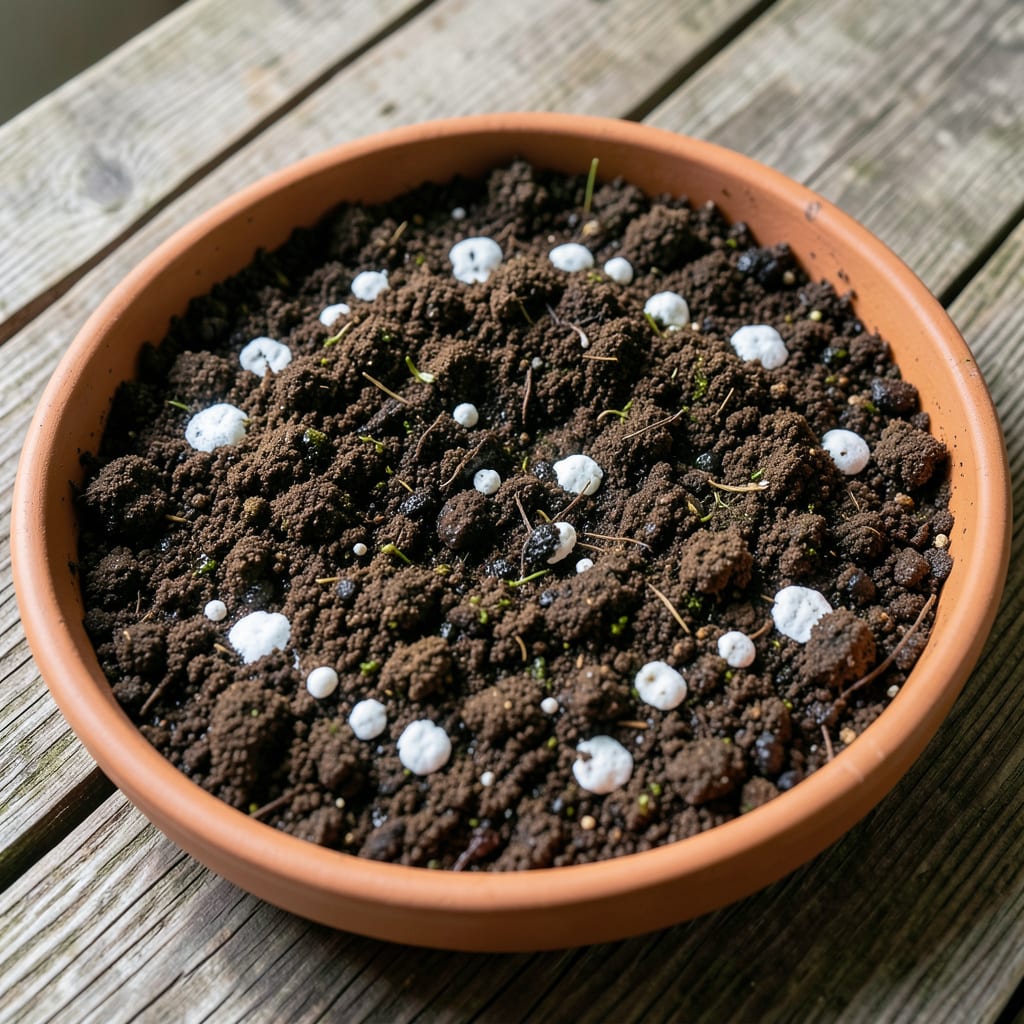
Spotted white patches in your soil aren’t just unsightly—they’re trying to tell you something. I’ve seen this in my own garden beds, and the fix is usually simpler than you’d think.
Most often, you’re dealing with mold or mineral buildup, both of which thrive in consistently damp conditions. The good news? Neither requires harsh chemicals to fix. A few adjustments to your watering routine and soil care can clear it up fast.
You’ll know it’s working when those spots disappear within a week and your plants start looking healthier. Prevention is even easier once you understand the root cause.
Works for potted plants, garden beds, and even seed-starting mixes. Here’s how to diagnose and treat it.
White spots on soil often signal underlying issues that disrupt its health and appearance. Below are the most common causes, explained with actionable insights.
Fungi thrive in moist, organic-rich environments. White mold (e.g., Sclerotinia or Mucor) appears as fuzzy or powdery patches when spores germinate in damp, poorly aerated soil. Overwatering, high humidity, or decaying plant matter accelerate this. Action: Reduce watering, improve drainage, and remove infected debris.
Hard water or excessive fertilizer use leaves behind white crusty residues like calcium, magnesium, or salt. These minerals accumulate on the soil surface as water evaporates. Action: Flush the soil with distilled water or leach salts by running water through the pot for 10–15 minutes.
Pests like mealybugs or scale insects secrete white, cottony substances as they feed on plant roots or organic matter. Check for tiny bugs or sticky residue (honeydew) near the spots. Action: Treat with neem oil or insecticidal soap, and isolate affected plants.
Not all white growth is harmful! Mycorrhizae form white, thread-like networks (hyphae) that help plants absorb nutrients. These appear as fine, webby filaments and are a sign of healthy soil. Action: Leave them undisturbed—they boost plant growth.
Extremely alkaline soil (pH > 8) can cause white efflorescence as minerals like gypsum rise to the surface. Test soil pH with a kit. Action: Amend with sulfur or peat moss to lower pH if needed.
White spots on your soil are often a sign of fungal growth, mineral deposits, or pest activity. Here’s how to tackle each cause with practical, easy-to-follow solutions.
Fix: Gently remove the top layer of affected soil and replace it with fresh, sterile potting mix. For mild cases, sprinkle a thin layer of cinnamon (a natural antifungal) or baking soda (1 tsp per cup of water) over the soil. Avoid overwatering, as dampness fuels fungal growth.
Prevention: 💡 Ensure proper drainage by using pots with drainage holes and a well-aerated soil mix. Water only when the top inch of soil feels dry.
Fix: Scrape off the white crust (usually calcium or salt buildup) with a spoon or soft brush. Flush the soil with distilled water to dissolve and remove excess minerals. For potted plants, water until it drains freely from the bottom, repeating 2-3 times.
Prevention: 🎯 Use filtered or distilled water for irrigation, especially in areas with hard water. Avoid over-fertilizing, as excess salts accumulate in the soil.
Fix: Isolate the affected plant and remove visible pests with a cotton swab dipped in rubbing alcohol (70% isopropyl). For fungus gnats, let the soil dry out completely between waterings and use yellow sticky traps to catch adults. Neem oil (1 tsp per liter of water) can also deter pests when sprayed on the soil.
Prevention: ✨ Keep your growing area clean, remove dead leaves promptly, and avoid overwatering. Introduce beneficial insects like ladybugs for natural pest control.
For persistent issues, repot the plant entirely with fresh soil and sterilize the old pot with a 1:10 bleach-water solution (rinse thoroughly). Always wear gloves when handling affected soil to avoid skin irritation.
It depends on the cause. Fungal growth can damage roots if left untreated, while mineral deposits usually just indicate poor water quality. Beneficial mycorrhizal fungi actually help plants thrive.
Mold appears fuzzy or powdery and spreads quickly in damp conditions. Mineral deposits look crusty or chalky and often form after water evaporates. A simple test: Scrape a bit off—if it’s hard, it’s likely minerals.
Repotting helps for severe cases, especially with fungal issues or pest infestations. Use fresh, sterile soil and clean the pot thoroughly. For mineral buildup, flushing the soil often works without repotting.
Yes! Improve drainage, avoid overwatering, and use filtered water. For outdoor gardens, test soil pH annually. Regularly remove plant debris to discourage fungal growth.
